
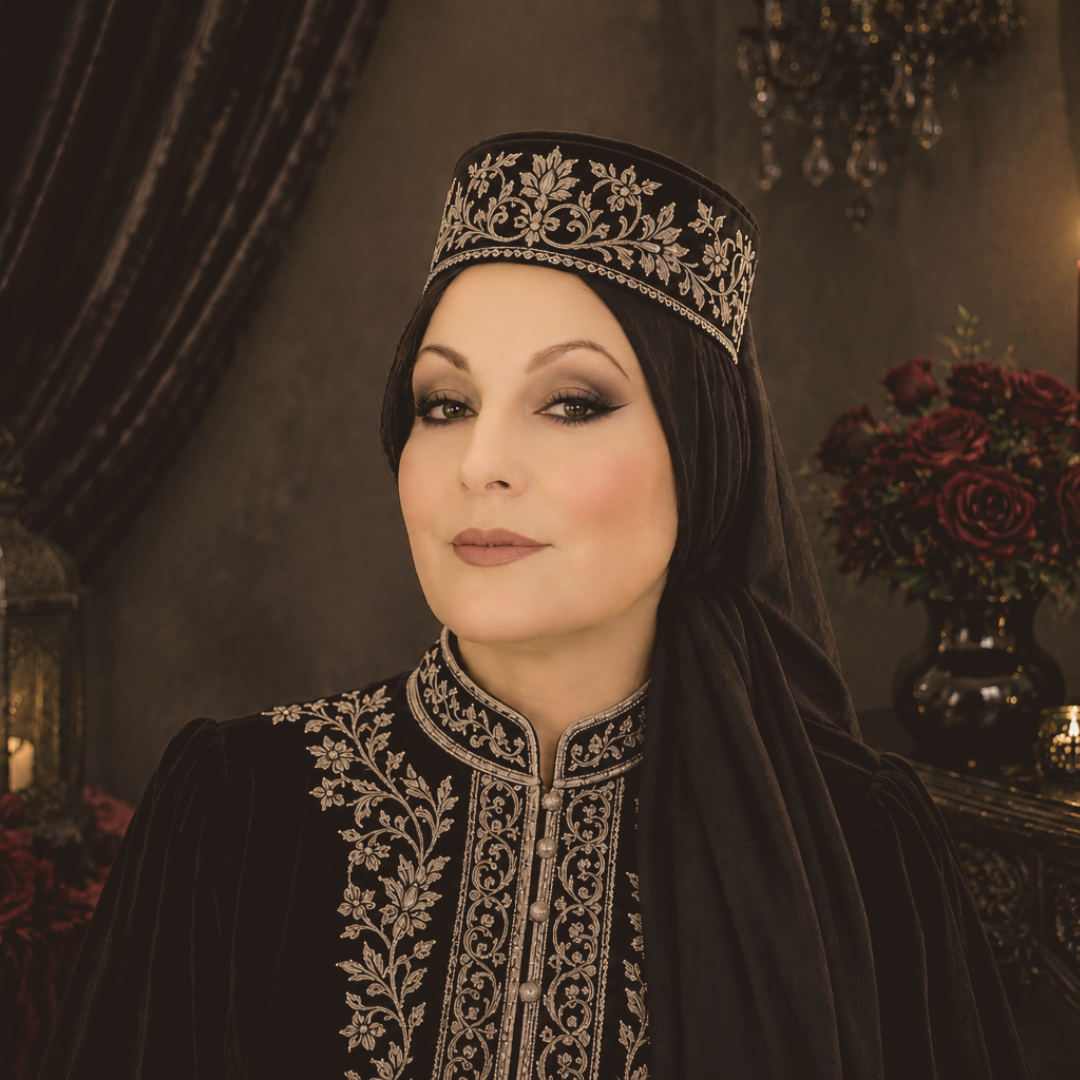


Laylat al-Jumuʿah

This chapter of The Book of Hafsa explores the highly ritualized and deeply symbolic process of a concubine being formally presented to an Ottoman şehzade for the first time. Far removed from the fantasy versions often portrayed in modern media, these encounters were shaped by strict court ceremony, hierarchy, and dynastic politics.
On the blessed night of Jumuʿah, Hafsa is dressed in white and silver, colors associated with purity and union, and summoned before Şehzade Selim in a moment the entire harem immediately recognizes as significant. In Ottoman court culture, favor was never merely romantic. It carried status, visibility, danger, and political consequence.
What many people do not realize is that, traditionally, it was the duty of the Valide Sultan to select and present concubines to her son. This was not simply a maternal role, but an imperial responsibility. The women chosen were expected to become far more than companions. Any one of them could become the mother of a future şehzade, and perhaps even shape the empire itself. For this reason, the harem educated girls not only in beauty and etiquette, but in intelligence, discipline, diplomacy, religion, and courtly conduct. The Valide Sultan was obligated to present the most intelligent, astute, and competent of women to her son, not merely the most beautiful.
In many ways, this was the central function of the imperial harem: preparing elite women to eventually guide and establish their own son’s harems when they came of age. The fact that Selim encounters Hafsa by chance, becomes captivated by her, and summons her before the formal process had fully unfolded was unusual, though not unheard of. Especially within princely provincial courts, which operated with somewhat greater freedom than the far more rigid, and ceremonial imperial harem, of the Sultan in Constantinople.
Also, here we challenge simplistic assumptions about intimacy within the harem. Hafsa enters the night expecting cold duty and obligation, which, for many concubines, was likely the reality. The system itself was not designed to encourage emotional attachment, because these concubines had to leave with their sons to other parts of the Empire so they could rule there. So Hafsa and Selim developing this kind of connection and bond was not true for every every imperial consort.
Ultimately, the chapter asks readers to look beyond orientalist fantasy and consider the harem as it truly was: a political institution, a dynastic machine, a center of elite education, and, sometimes, a place where real human attachment emerged despite the system itself.
The Book of Hafsa is a historical fiction novel (by me) following the life of Hafsa Sultan, the consort of Selim I and the mother of Suleiman the Magnificent. Set during the rise of the Ottoman Empire, the story explores palace politics, dynastic paranoia, love, survival, and the hidden world of the imperial harem through Hafsa’s own eyes.


Leave a Reply