
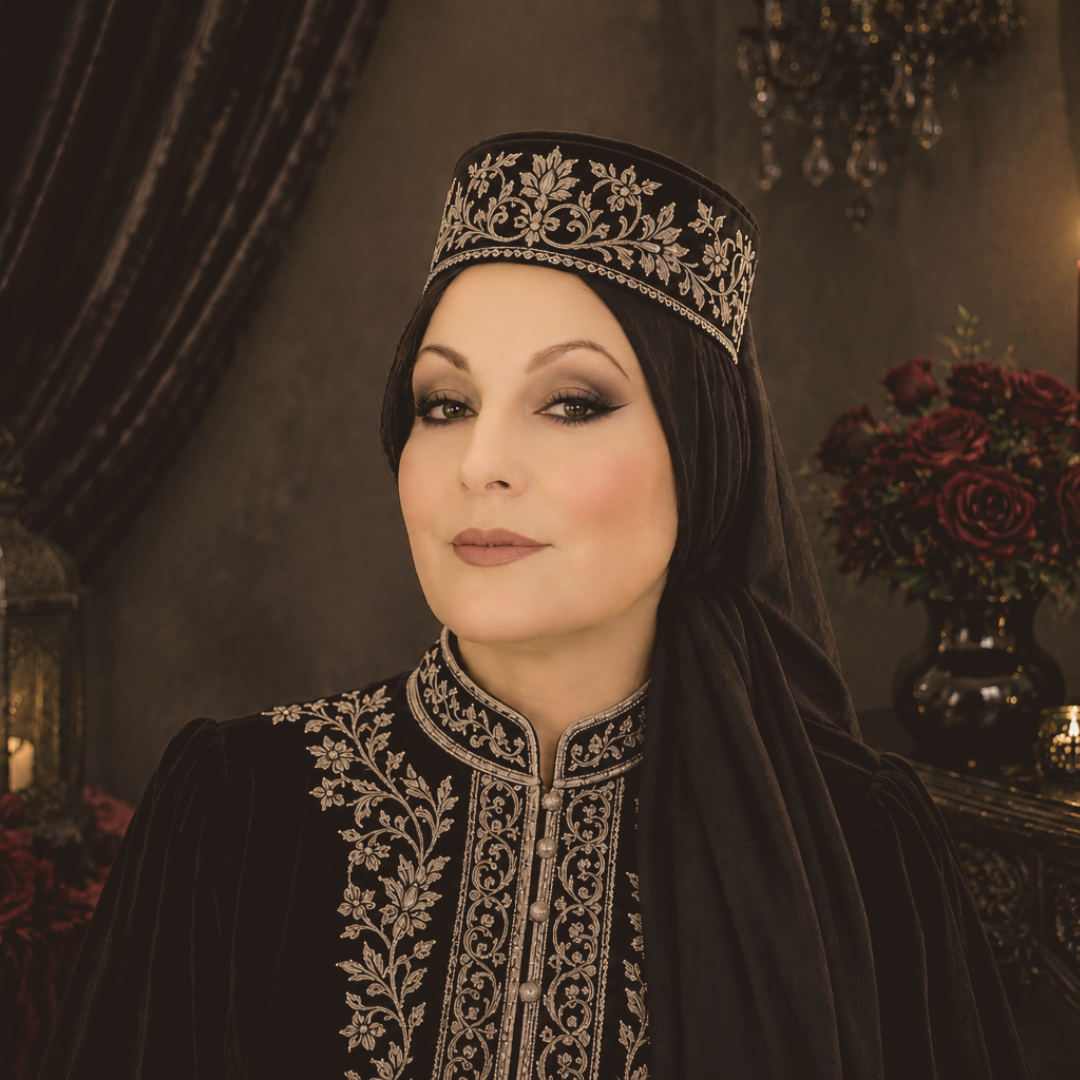

Şehzade Selim

While researching for these chapters, I was also reading One Thousand and One Nights (The Arabian Nights), though I specifically sought out proper translations rather than the heavily Orientalized Victorian English versions that distorted many of the stories into exotic fantasy. One tale in particular that deeply influenced these parts of the novel was The Ifrit and the Concubine.
What fascinates me about that story is its warning about possessiveness, domination, and control. The Ifrit believes absolute power over the woman he keeps hidden away can guarantee loyalty and love, yet the story ultimately exposes the illusion behind that thinking. Brutal control cannot create genuine affection. Fear is not intimacy. Possession is not love.
I wanted this idea to echo throughout Selim’s character arc. Historically, Selim was very much a frontier ghazi prince: a hardened warrior shaped by border warfare, political survival, military ambition, and the ruthless realities of dynastic competition. He relied heavily on discipline, force of will, strategic manipulation, and the consolidation of power in order to survive and eventually ascend the Ottoman throne. I wanted those instincts to bleed into his personal relationships as well, especially within the harem.
At the same time, I did not want Selim portrayed as a one-dimensional tyrant or orientalist caricature. There is strong evidence that genuine affection existed between Selim and Hafsa. He appears to have been monogamous with her for a significant period despite the norms of dynastic harem culture, and he wrote romantic poetry dedicated to her. That emotional contradiction interests me deeply: a man capable of tenderness and sincere love, yet also shaped by a political world where control, hierarchy, and possession were inseparable from power itself.
This chapter is equally important for Hafsa’s own development. Her jealousy toward Nevresâr forces her into an uncomfortable confrontation with her own pride, arrogance, insecurity, and sense of superiority. What matters is not merely that she feels these things, but that she recognizes them within herself and reflects upon them honestly. That internal struggle with conscience becomes central to her character.
I believe this quality is significant because it mirrors something we later see in her son, Suleiman the Magnificent. Suleiman is remembered not merely as a conqueror, but as a ruler associated with justice, restraint, legality, and moral reflection. He struggled constantly with balancing the human being against the sovereign. I suspect much of that disposition may have come from Hafsa herself. Historically, the mothers of Ottoman princes played an enormous role in shaping their sons, acting not only as caretakers but also as their primary mentors and political guides. They accompanied them to their provincial governorships and helped shape the men they would become.
So this chapter is not simply about romance. It lays the psychological and moral foundations for both Selim and Suleiman
The Book of Hafsa is a historical fiction novel (by me) following the life of Hafsa Sultan, the consort of Selim I and the mother of Suleiman the Magnificent. Set during the rise of the Ottoman Empire, the story explores palace politics, dynastic paranoia, love, survival, and the hidden world of the imperial harem through Hafsa’s own eyes.
 Vault of Stones
Leave a comment