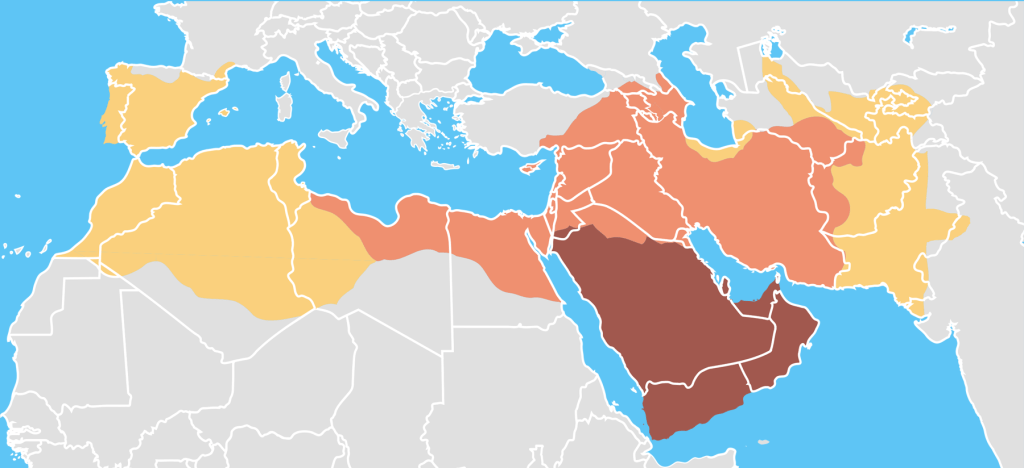
Islam emerged and flourished at a pivotal moment in history, perfectly timed for its expansion. It arose when the Arab people were primed for a unifying force, coinciding with the decline of two major powers in the region. The Byzantine Empire in the Middle East was crumbling under the weight of internal corruption and mismanagement, while the Persian Empire was in a weakened state. In the early 7th century, the Persians invaded Palestine, capturing Jerusalem and Caesarea. Although the Byzantine rulers mounted a counteroffensive and reclaimed the territory, the prolonged conflict left both empires broken and exhausted, creating an ideal environment for Islam’s growth and spread.
Within a century of the Prophet Muhammad’s (ﷺ) passing, Islam emerged as a unifying force for the Arab people. Muslim armies swiftly expanded their territories, conquering Palestine, Syria, Persia, and Egypt, while advancing across North Africa and into Spain. In the centuries that followed, the religion continued to spread, extending its influence throughout the Middle East, India, China, and Southeast Asia. There were several reasons for this rapid and massive expansion:
Islam is a Universal Religion
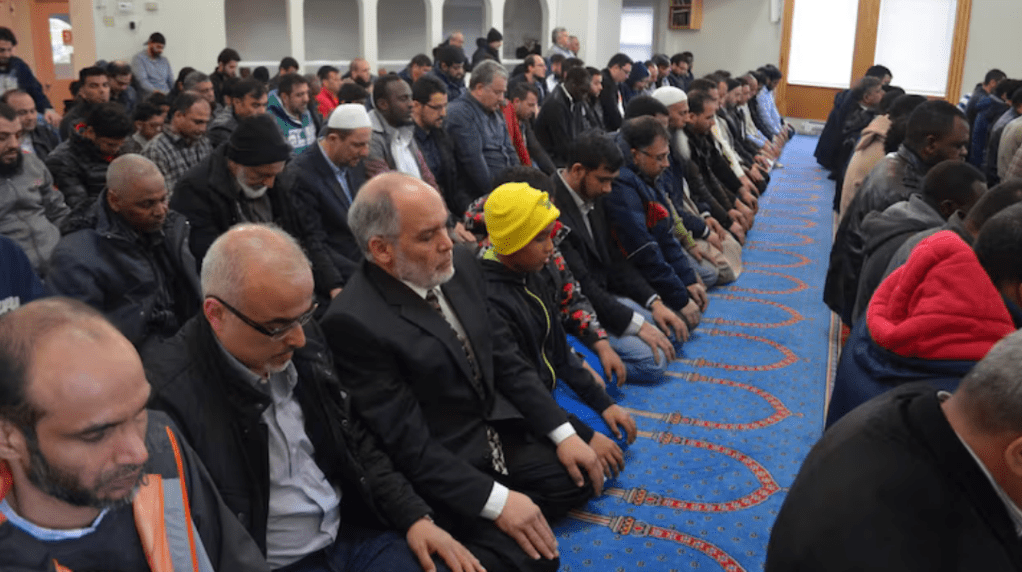
Although Islam originated in the Arab world, it transcends national boundaries and rejects distinctions based on race or ethnicity. The faith emphasizes the unity of humanity, teaching that all people were created by Allah and are equal in His eyes. Islam upholds the principle of universal brotherhood, welcoming individuals from all backgrounds to embrace the faith and become part of the global Muslim community. This inclusivity has played a significant role in its widespread appeal and growth across diverse cultures and regions.

Islam is a Religion with Wide Appeal
Unlike religions that may require intricate rituals, elaborate ceremonies, or significant sacrifices, Islam is, at its core, a simple and accessible faith designed to be practiced by anyone, anywhere. Its foundation lies in straightforward principles that guide daily life. To become a Muslim, one must sincerely declare the profession of faith, known as the Shahada, affirming the oneness of Allah and the prophethood of Muhammad (ﷺ): “There is no god but Allah, and Muhammad is His Messenger.”
Being a good Muslim involves adhering to the Five Pillars of Islam, which provide a clear and practical framework for worship and conduct. These pillars—faith (Shahada), prayer (Salah), fasting during Ramadan (Sawm), giving to charity (Zakat), and pilgrimage to Mecca (Hajj)—are acts of devotion that embody the essence of Islamic belief and practice. This simplicity and clarity in practice make Islam a faith that is both profound and universally approachable.
The World that Surrounded the Early Muslims was Confused and Corrupt
The Byzantine Christian rulers had long mistreated and oppressed both Jews and Arab Christians, often subjecting them to heavy taxation and social discrimination. As a result, Muslim conquerors were frequently welcomed not as invaders but as liberators, offering more equitable treatment and religious tolerance under Islamic rule.
Before the death of the Prophet Muhammad (ﷺ), Islam had already begun to unify and consolidate control over the Arabian Peninsula. Through a combination of spiritual teachings, social reforms, and military campaigns, the movement inspired widespread allegiance. With each conquest and addition to the Muslim community, others were encouraged to join, attracted by the promise of justice, security, and shared benefits.
Following the death of the Prophet (ﷺ), Islamic expansion gained momentum and extended far beyond Arabia. Key cities fell rapidly: Damascus in 635, Persia by 636, Jerusalem in 638, and Caesarea—despite fierce resistance—in 640. That same year, Egypt also came under Muslim rule. In the decades that followed, Islam solidified its influence, with North Africa becoming predominantly Muslim by the end of the 7th century. This swift expansion was underpinned by the inclusive and practical nature of Islamic governance, which appealed to diverse populations across these newly acquired territories.
In 711, Muslim forces, led by the Berber general Tariq ibn Ziyad, crossed the Strait of Gibraltar into Spain, initiating the conquest of the Iberian Peninsula. Within a few years, they established a stronghold in the region, marking the beginning of a period of Muslim dominance in Spain that lasted for nearly seven centuries. This region, known as Al-Andalus, became renowned for its advancements in science, art, architecture, and interfaith collaboration, particularly during its golden age.
However, the expansion of Muslim influence into the heart of Europe was halted in 732 at the Battle of Tours (also known as the Battle of Poitiers). There, Charles Martel, the leader of the Frankish forces, decisively defeated the Muslim army, preventing further incursions into Western Europe. This battle is often viewed as a turning point in European history, marking the limit of Islamic expansion deeper into Europe.
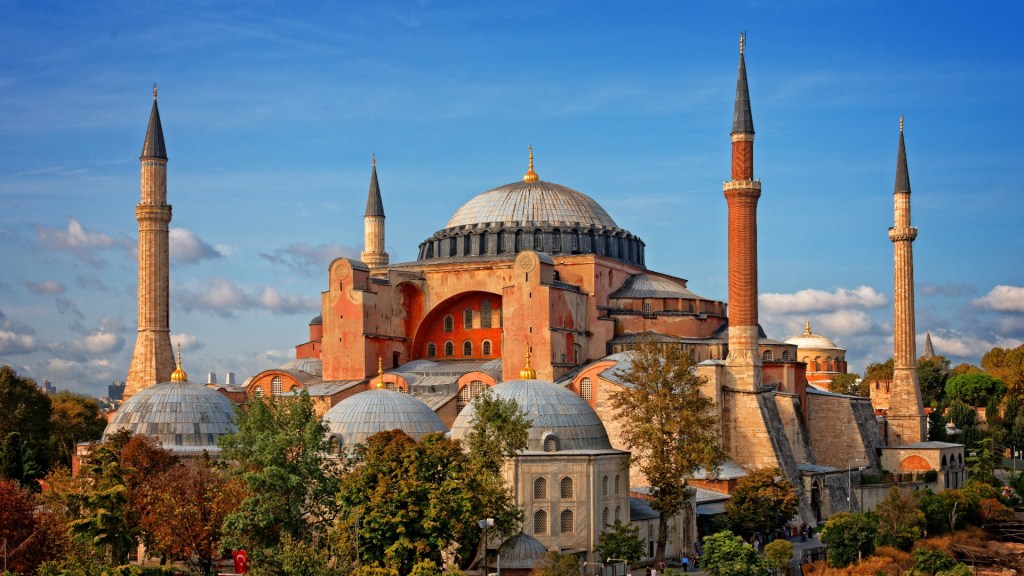
On the eastern front of the Mediterranean, the pace of Muslim territorial expansion began to slow as it faced formidable resistance from the Byzantine Empire. Constantinople, the Byzantine capital, withstood multiple sieges by Muslim forces, maintaining its position as a bastion of Christian Europe until its fall in 1453 to the Ottoman Empire.
Meanwhile, in the 9th century, the island of Sicily came under Muslim control, becoming a strategic base for raids into mainland Italy and serving as a cultural bridge between the Islamic world and Europe. The Muslim presence in Sicily left a lasting legacy, influencing the island’s architecture, agriculture, and culture, even after it was reconquered by the Normans in the 11th century.
In the eleventh century, the caliphs of Baghdad extended their influence and conquests eastward into the regions of India and China, spreading Islam through trade, cultural exchange, and military campaigns. Over time, Islam became deeply rooted in South Asia, and today, the nations of Pakistan and Bangladesh are predominantly Muslim. Additionally, India is home to one of the world’s largest Muslim populations, while significant Muslim communities also exist in China, particularly among the Hui and Uyghur ethnic groups.
In the fifteenth century, Islam spread further into Southeast Asia, where it was embraced by much of what is now Indonesia and Malaysia. This expansion was largely facilitated by Muslim traders, scholars, and missionaries who introduced the faith to local rulers and communities. Indonesia, in particular, is now the largest Muslim-majority nation in the world.
For centuries, the Muslim world remained largely within its established boundaries. However, by the late nineteenth century, renewed missionary efforts and trade networks began to expand Islam’s reach, particularly in sub-Saharan Africa. This period saw a significant growth of Muslim communities, often blending Islamic teachings with local traditions and customs.
Today, Islam continues to expand globally, with notable rapid growth in Europe and North America. Factors such as immigration, conversion, and the spread of Islamic teachings contribute to the increasing presence of Muslim communities in these regions, making Islam one of the fastest-growing religions in the world.
 Vault of Stones