Category Archives: LANGUAGE

Turkic Languages (Proto-Turkic)

Standard
Turkic Languages (Proto-Turkic)

-This language family contains about 35 spoken languages.

-This language family has over 200 million speakers.

-Turkic languages are vowel-harmonious. This means that vowels within a word tend to match in certain features, like frontness or roundness, even if they are far apart. The harmony applies throughout the whole word, not just to neighboring vowels. Vowel-harmonious languages also tend to favor the use of suffixes.

-Turkic languages are also agglutinative languages. This means that Turkic words are created by stringing together word parts to show possession, plurality, or tense. This can make sentences in Turkic languages shorter than some other languages.

Some key features of agglutinative languages:

  • Words = root + suffix + suffix + suffix…
  • Each suffix has one meaning.
  • Suffixes don’t get jumbled. They’re clean and stackable.
  • Vowel harmony helps suffixes “fit” smoothly.

-Turkic languages have subject-object-verb order.

-Turkic languages lack grammatical gender. What this means is that nouns, adjectives, and pronouns are gender neutral, or do not change based on gender.

  • There are no feminine or masculine nouns in Turkic languages, unless they are borrowed from other languages.
  • There are no gender articles in Turkic languages.
  • There are no gendered verb endings or adjective forms in Turkic languages.

-Most Turkic languages have a high level of mutual intelligibility. Especially those from the Oghuz branch.

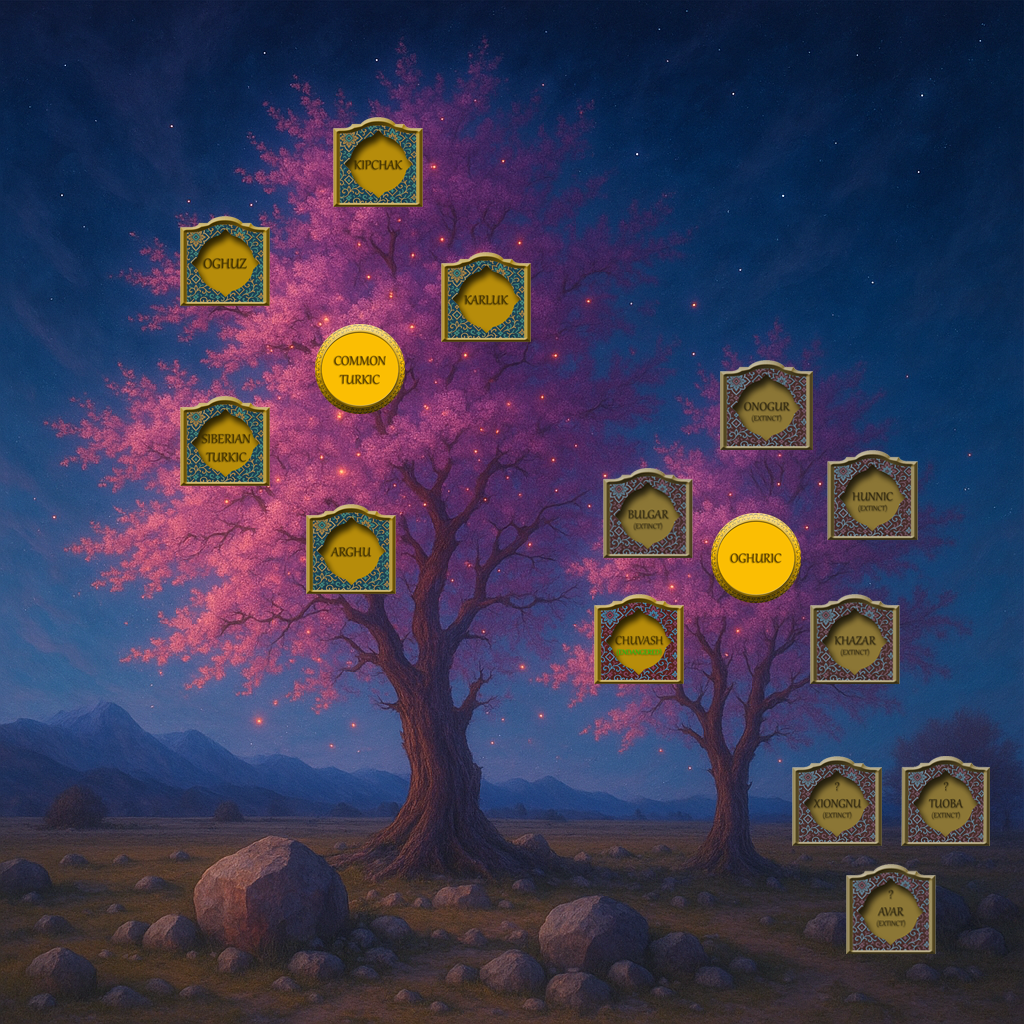
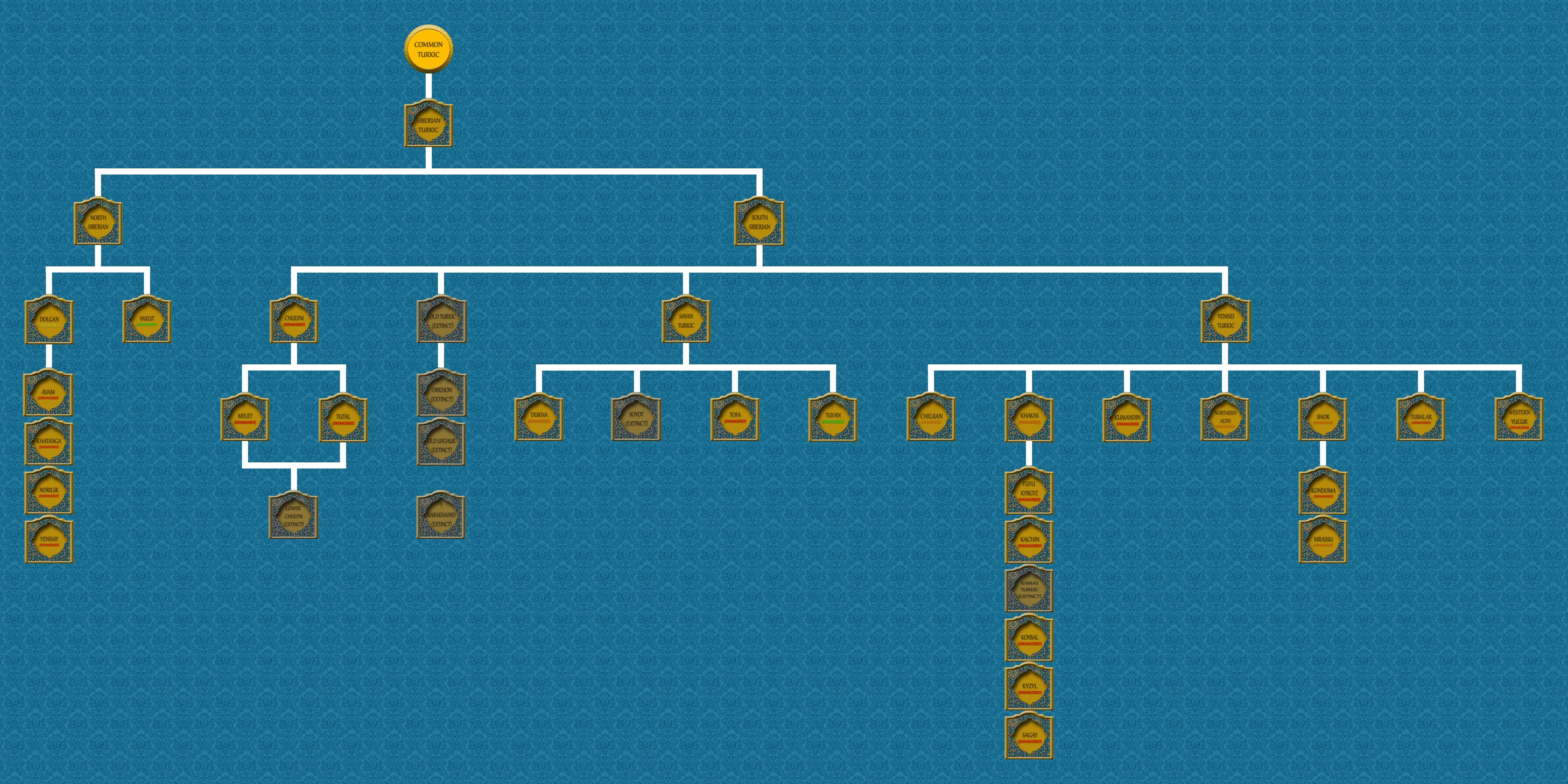
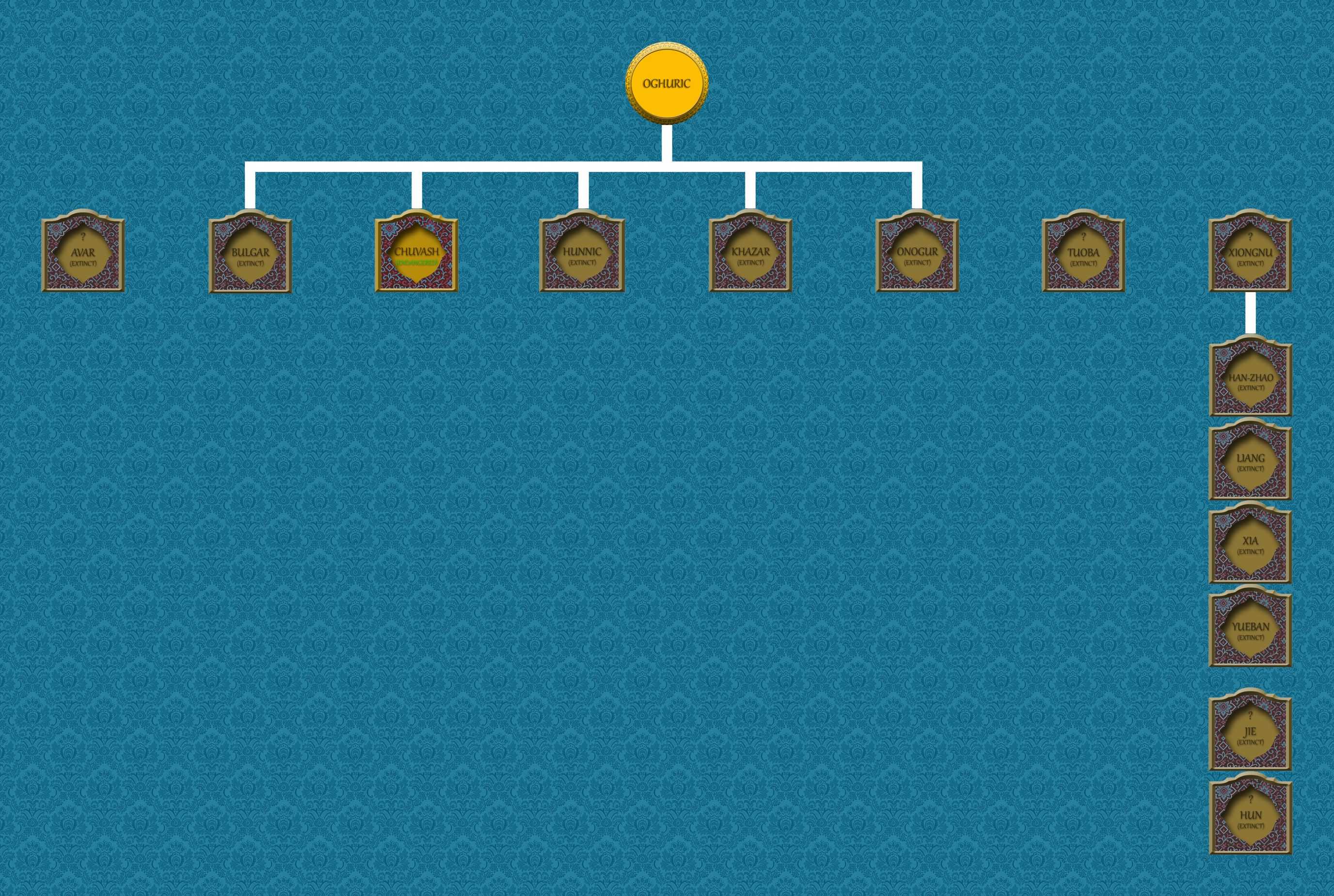
-Turkic languages have two main subfamily groups. Common Turkic and Oghuric. Chuvash is the only surviving language in the Oghuric subfamily Group. All other Oghuric languages are now extinct.

-Turkic languages use different writing systems. Up until the 9th Century, Old Turkic Script was officially used among Turkic peoples. Eventually it was replaced with the Arabic script. Today most Turkic languages are written using Cyrillic script. During the Soviet period, Cryrillic replaced Arabic Script in many Turkic countries. Although some do continue to use Arabic, Cyrillic is still used in an official capacity. Only Uyghur and some Turkic people in Iran use Arabic script in an official capacity today. Turkish and Gagauz are the only Turkic languages that use Latin Script officially.


COMMON TURKIC FAMILY


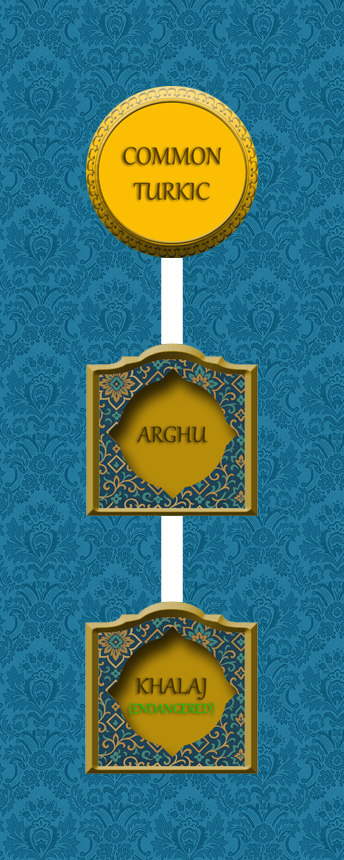
ARGHU BRANCH

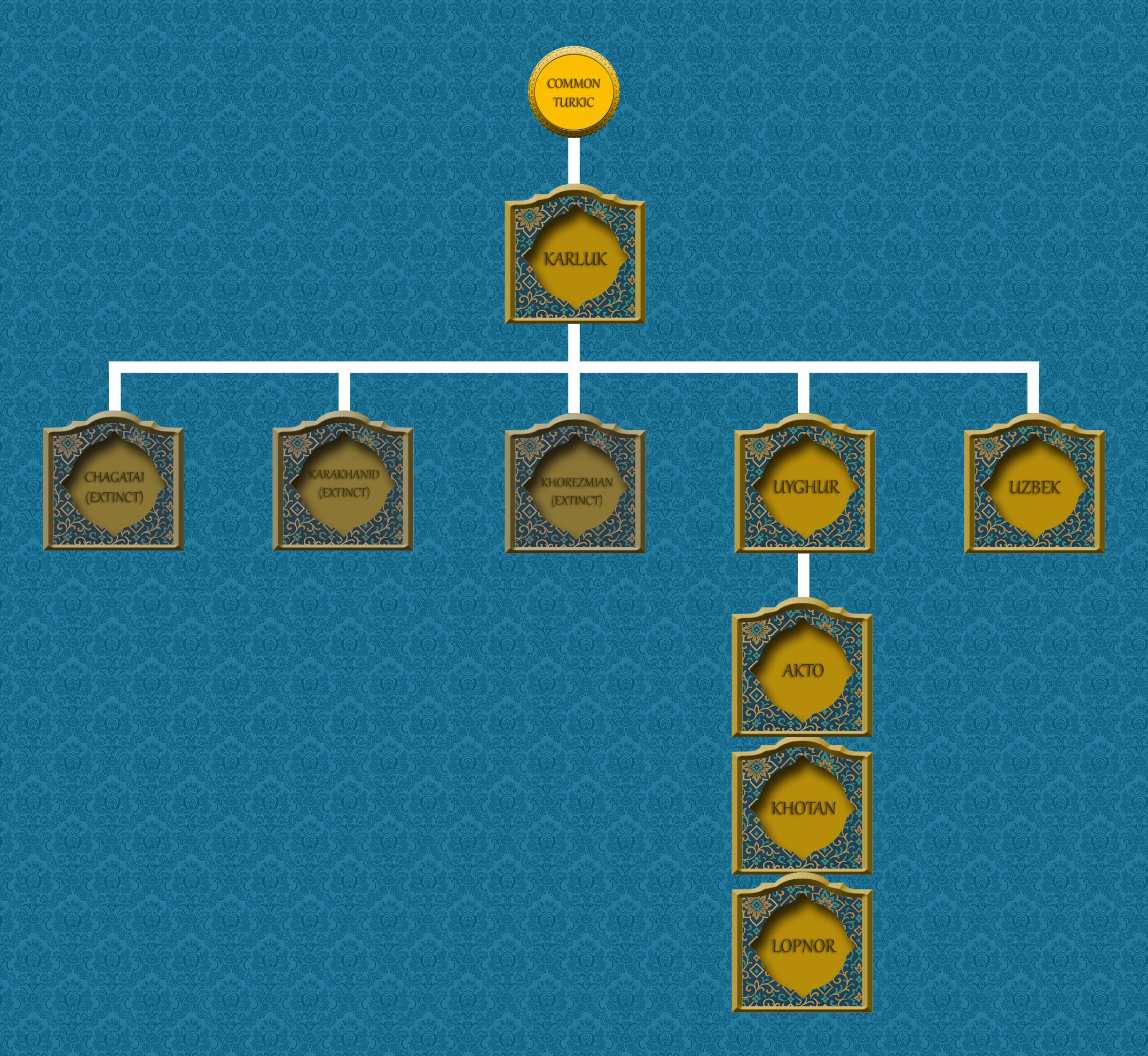
KARLUK BRANCH

KIPCHAK BRANCH

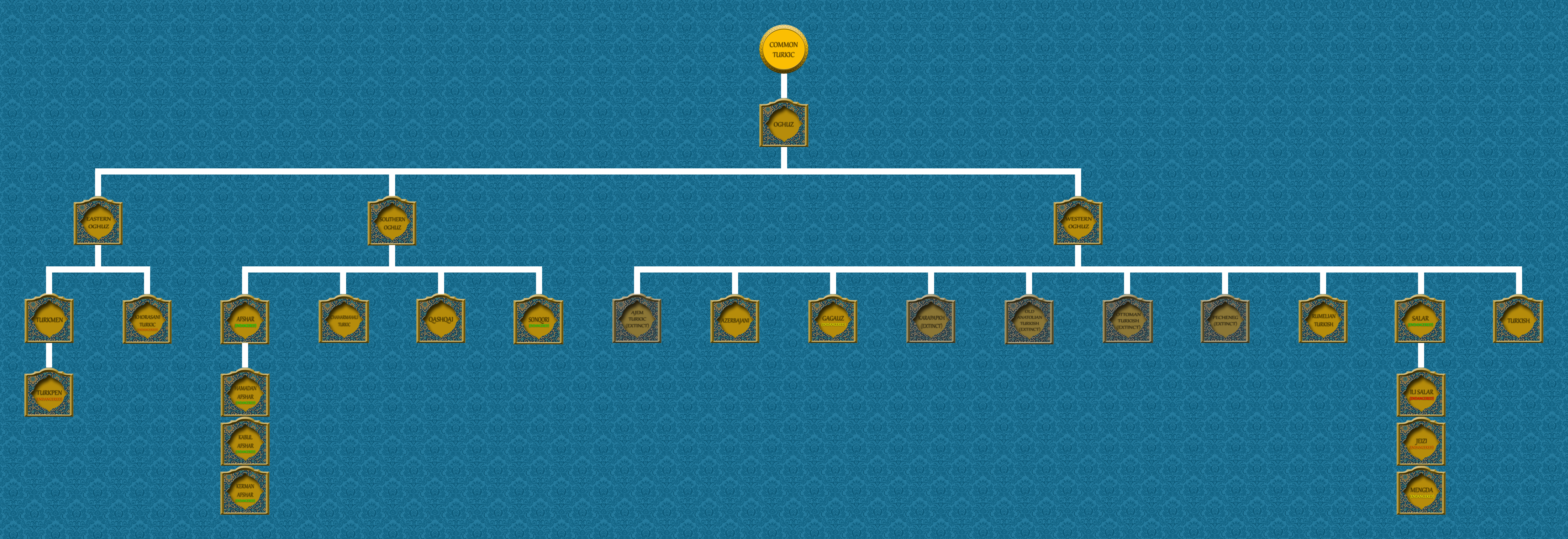
OGHUZ BRANCH

SIBERIAN BRANCH

OGHUR TURKIC FAMILY

Afroasiatic Languages (Proto-Afroasiatic)

Standard
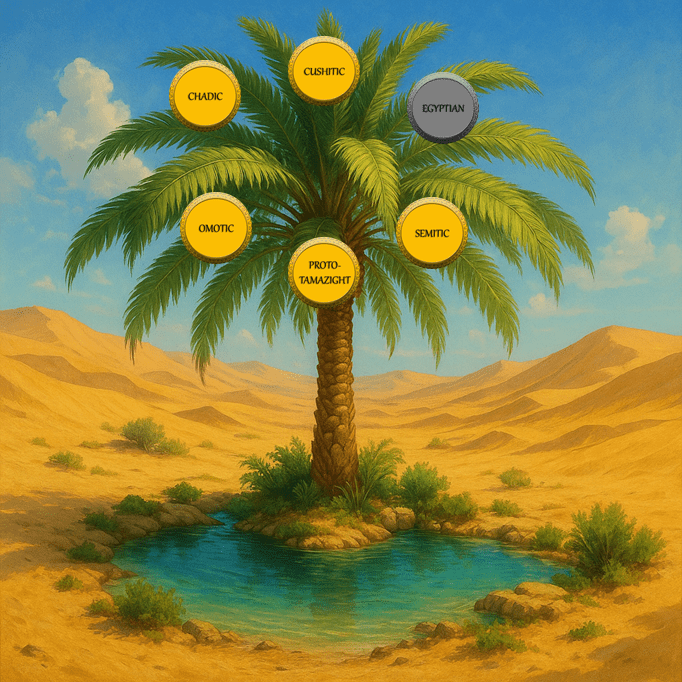
Afroasiatic Languages (Proto-Afroasiatic)

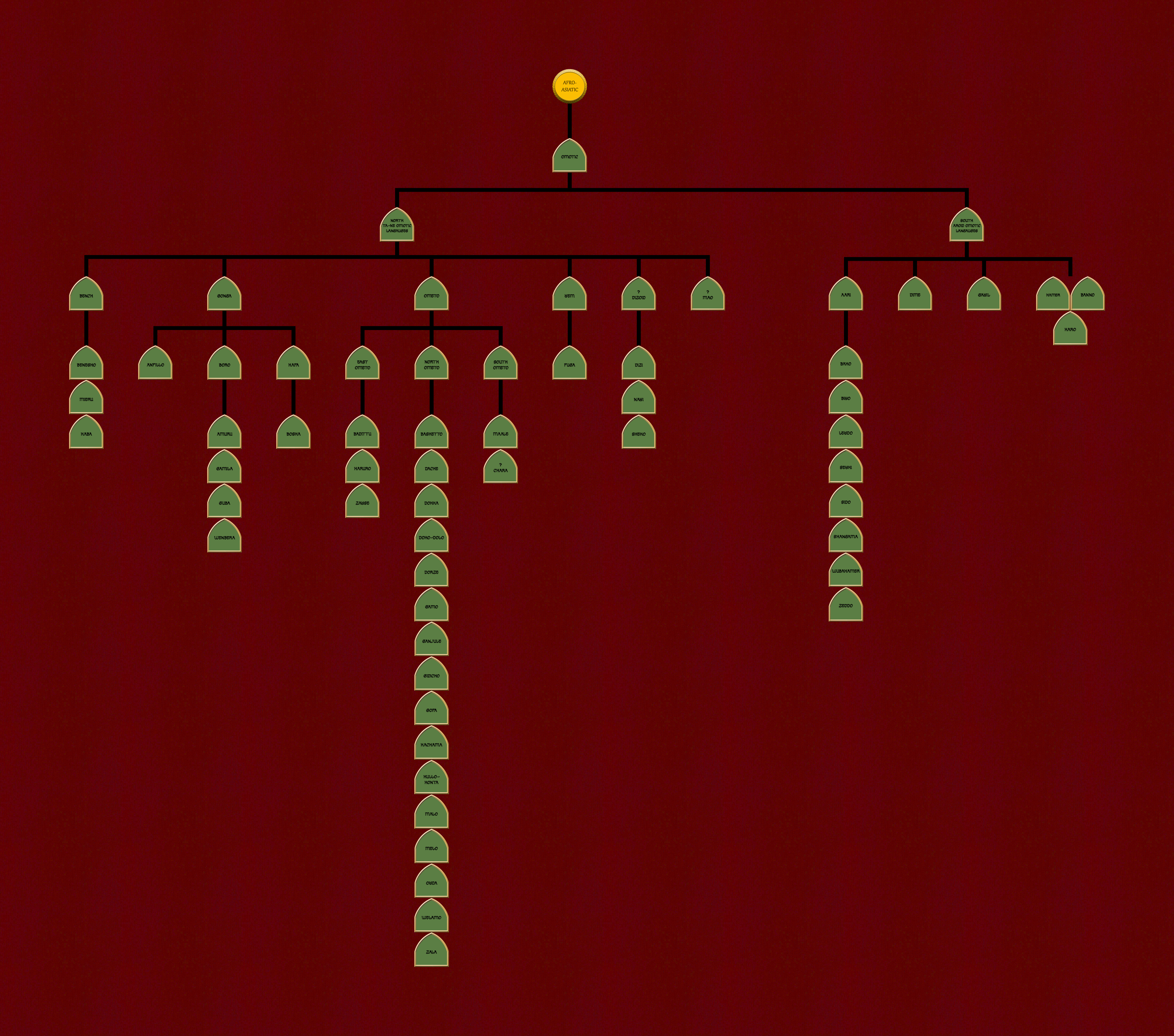
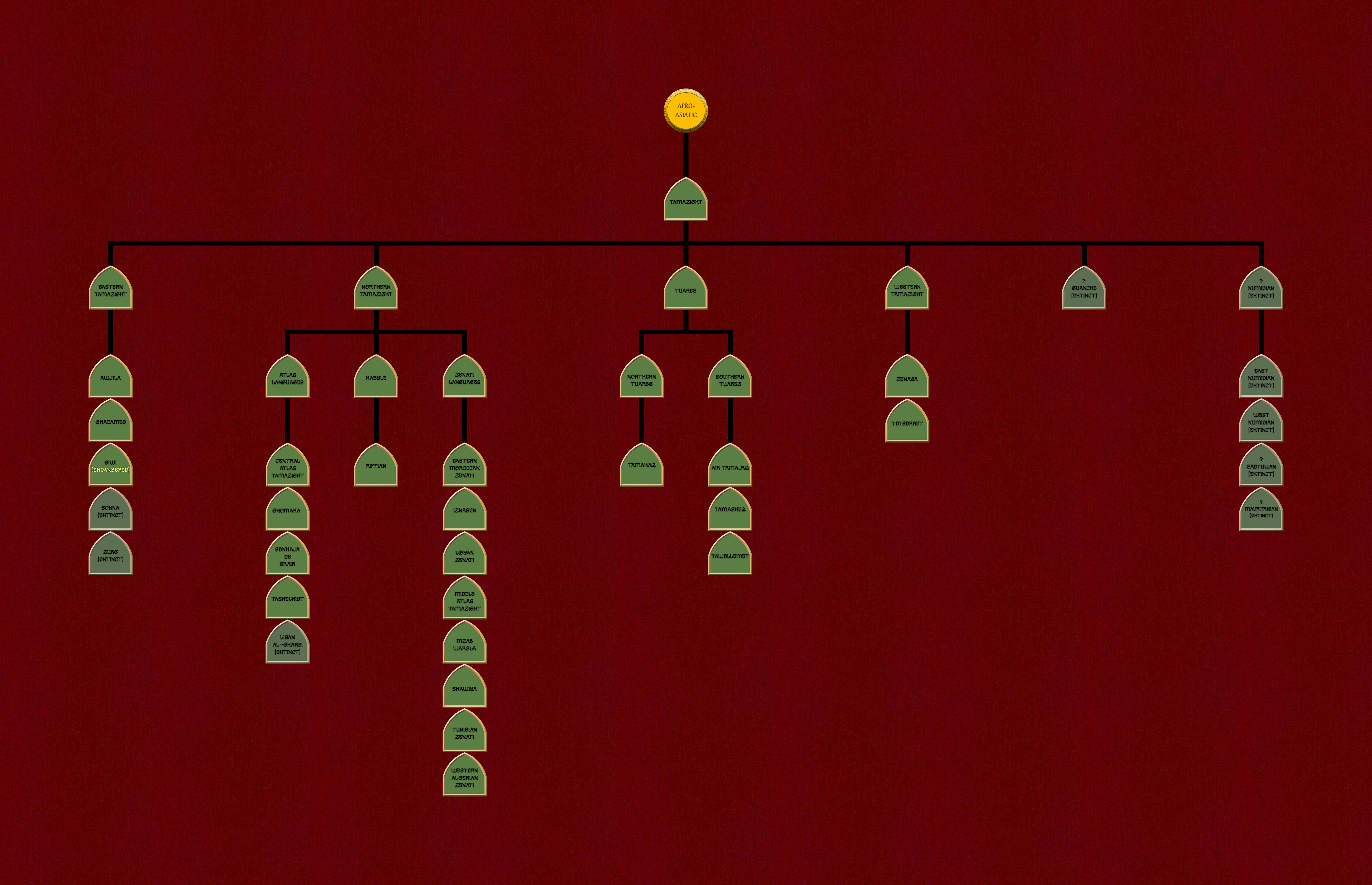
-This language family contains about 400 Languages.

-This language family has over 500 million speakers.

-This is the 4th largest language family in the world.


CHADIC FAMILY


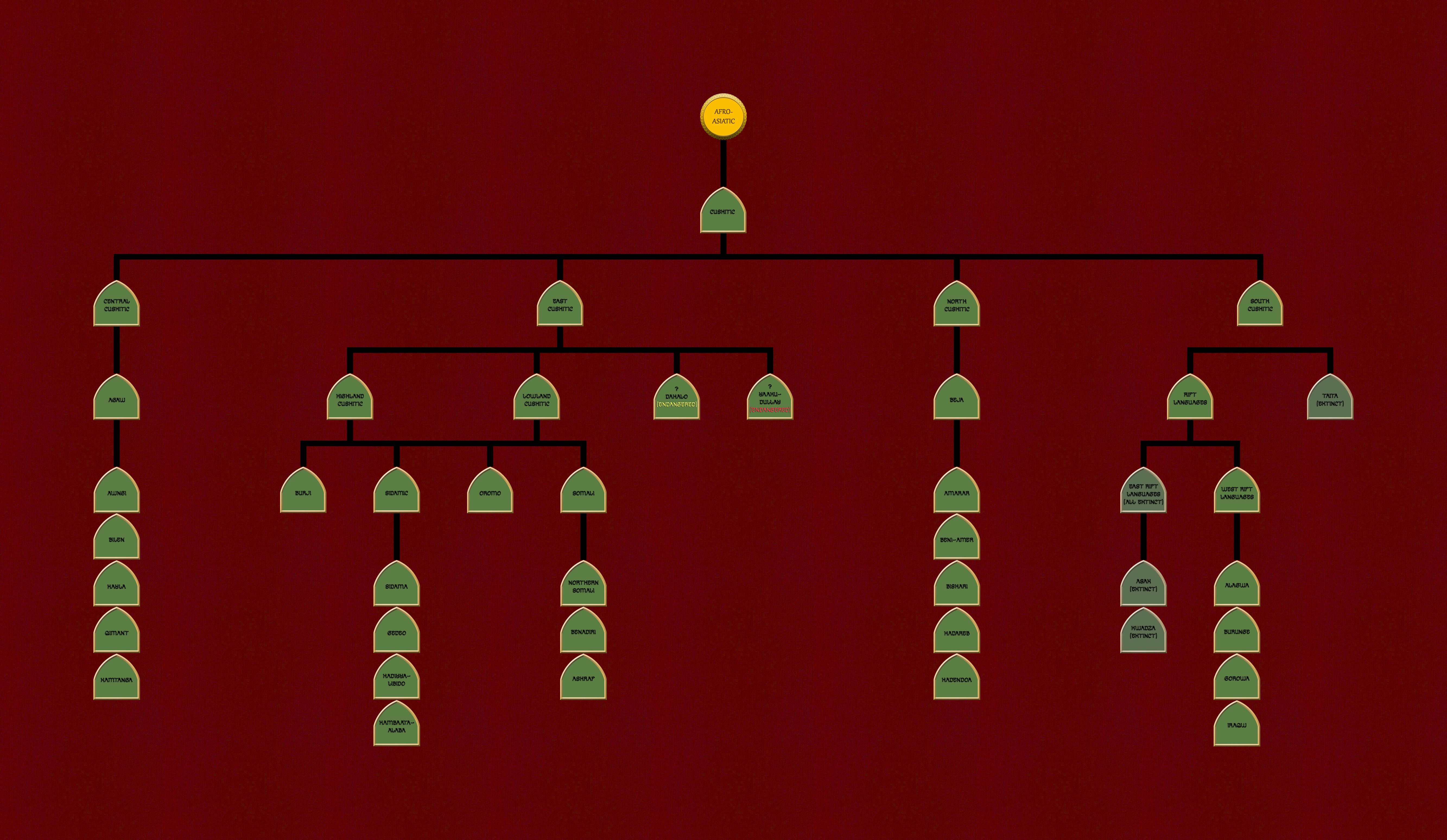
CUSHITIC FAMILY


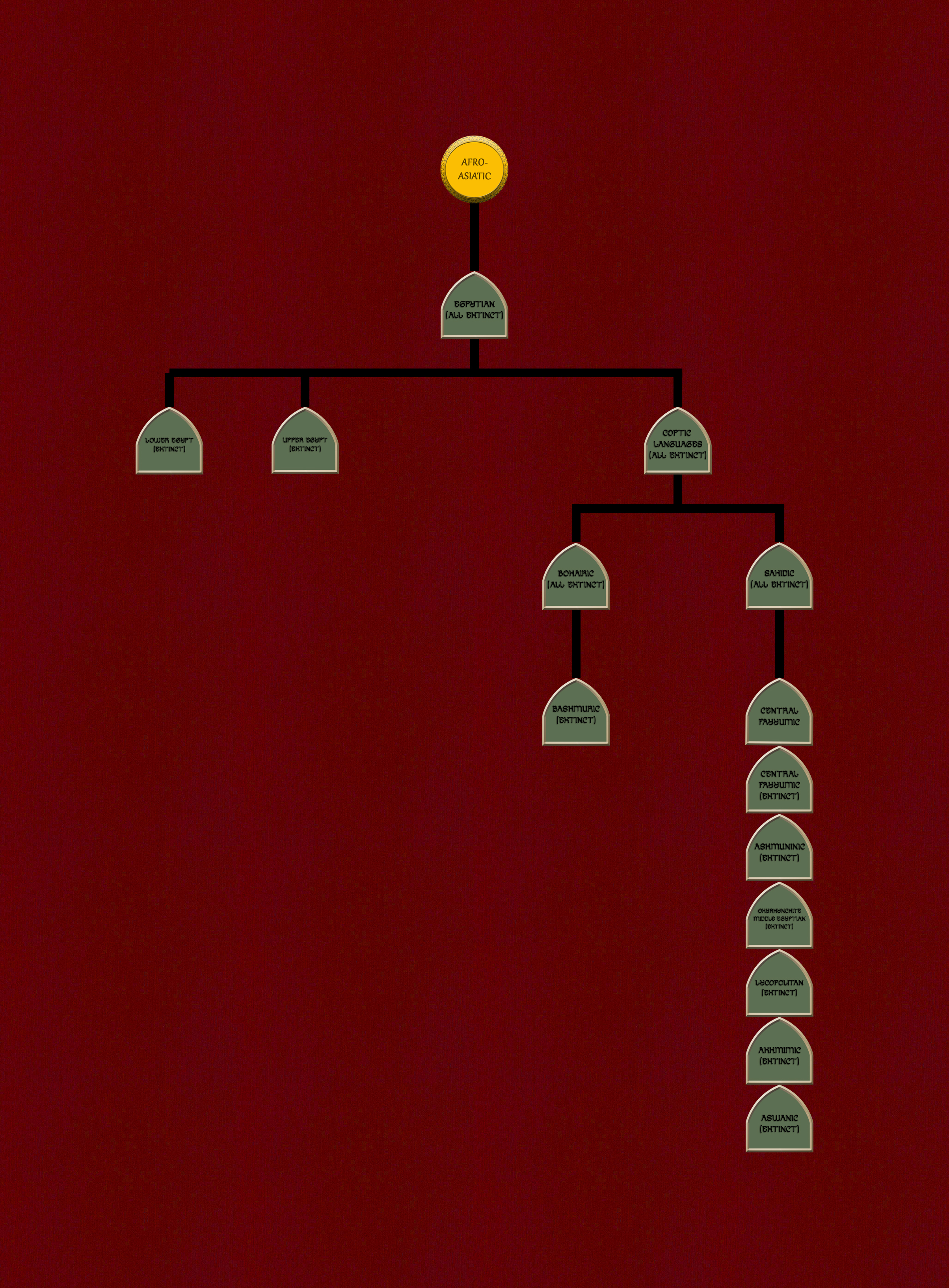
EGYPTIAN FAMILY


OMOTIC FAMILY


SEMITIC FAMILY


TAMAZIGHT FAMILY


LANGUAGE

Standard

Language is an integral part of culture and plays a crucial role in its development and transmission. Language reflects the values, beliefs, and perceptions of a culture; and provides a way to express a culture, transmit cultural norms, values, and traditions from one generation to the next. Language also shapes our perceptions of the world, giving us a sense of identity and belonging to a particular cultural group.

In essence, language both reflects and shapes the values, beliefs, and identity of a society, while culture provides the context and meaning through which language is understood and interpreted. Therefore, understanding a culture requires understanding its language, and vice versa.

Languages are constantly evolving, as new languages are created and old languages are lost, so it is hard to count how many languages are spoken around the world. It is estimated that at least 7,000 languages are being spoken today. Of these languages, there are about 62 main language families (as shown on the tree above).

A language family is a group of languages that are related through descent from a common ancestral language or parental language, called the proto-language of that family. Languages within a family share a significant number of common features in phonology, morphology, and syntax. Subdivisions of a language family are called “branches”. Some families contain hundreds of different languages, while some languages, termed isolates, are not known to be related to any other languages and therefore constitute a family consisting of only one language.

*This page is still under construction. Eventually, you will be able to click on the language families below and be taken to that language family’s page. Keep visiting to see when more pages are added.*


MAIN LANGUAGE FAMILIES


Afro-Asiatic

Algic

Araucanian

Arawan

Austeonesian

Austro-Asiatic

Aymaran

Barbacoan

Bora-Witoto

Cariban

Caspian

Chibchan

Choco

Chukotko-Kamchatkan

Dravidian

Eskimo-Aleut

Guaijiboan

Hmong-Mien

Indo-European

J-Ivaroan

Japonic

Kartvelian

Koreanic

Macro-Je

Mataco-Guaicuru

Mayan

Misumalpan

Mongolic

Na-Dene

Niger-Congo

Nilo-Saharan

Oto-Manguean

Pama-Nyugan

Panoan

Papuan

Pontic

Quechuan

Saliban

Salishan

Sino-Tibetan

Siouan

Tacanan

Tai-Kadai

Trans-Newguinea

Tsimshianic

Tungusic

Tupian

Turkic

Uralic

Uto-Aztecan

Wakashan

Yanomaman

Yukaghir

Zamucoan


LANGUAGE GROUPS WITH MANY FAMILIES


Austrailian

Indigenous American

Khoisan


ISOLATE LANGUAGE FAMILIES


Basque

Nivkh