This is actually an all humanities blog. This community is for History, Anthropology. Culture, Archaeology, Theology, Philosophy, Literature and Linguistics.
Patrick Colquhoun wrote, “Poverty is that state and condition in society where the individual has no surplus labour… It is the source of wealth, since without poverty there could be no labour…”
-A Treatise on Indigence (1806)
This is proto-capitalist discipline theory. This flawed logic is, poverty is necessary because it forces people to work, and if people were secure, they would not submit to labor on exploitative terms. Therefore, poverty must exist so that the wealthy classes can enjoy comfort, labor remains cheap, compliant, and abundant, and their social hierarchy remains intact. In other words they frame misery as a moral and economic tool. Gross.
This ideology is commonly used by elite capitalist to justify workhouse, poor laws, wage suppression, opposition to social welfare, and the idea that hunger is a tool, not disgraceful problem or neglect of a state.
Joseph Townsend, in his work, A Dissertation on the Poor Laws (1786), explicitly argued that hunger, not law, was the best motivator of labor. This view is now widely objected by educated people because modern economics, sociology, and anthropology overwhelmingly show that, security increases productivity, not laziness, innovation thrives where basic needs are met, extreme inequality harms social stability and economic growth, and that poverty is politically constructed, not inevitable.
Poverty has always functioned as one of civilization’s ways to extract labor without openly calling it slavery. From the earliest agricultural states onward, people did not voluntarily line up to till fields so that elites could accumulate surplus, power, and prestige. For most of human history, hunter-gatherer societies met their needs with far less labor, more autonomy, and greater social equality. The shift to “civilization” required something new: pressure. Debt, enclosure, taxation, hunger, and later mediocre wages all served the same purpose, to separate people from their means of survival and force their dependence on systems that benefited those at the top. It is a common myth, and a carefully maintained lie, that our foraging ancestors lived short, brutal lives with no room for rest or joy, and that civilization is what finally granted humanity leisure and comfort. In truth, they worked less, thrived, and understood time as something to be lived rather than spent. Yet we are taught to believe another story: labor without end, sacrifice without guarantee, the quiet promise that if we give everything, our strength, our health, our years- comfort will someday be handed back to us, just before the grave. What a sad existence really.
1. Satellite images reveal large pools of blood throughout Darfur in Sudan. Photo Credit: Humanitarian Research Lab at the Yale School of Public Health
A Brief Background of the Conflict:
The current war in Sudan erupted on 15 April 2023, when the Rapid Support Forces (RSF) launched coordinated assaults across the country, targeting bases and key infrastructure controlled by the Sudanese Armed Forces (SAF). The RSF, a powerful paramilitary organization with roots in the Darfur region, was officially established in 2013 from militia networks originally mobilized by the government to suppress insurgent groups during the Darfur conflict. The SAF, in contrast, represents Sudan’s long-standing national military institution and has historically served as the dominant actor in the country’s political hierarchy. What began as a confrontation between two security bodies has since evolved into a full-scale civil war and a struggle for control over the Sudanese state, its resources, and its political future.
The humanitarian consequences have been devastating. Entire neighborhoods of Khartoum and other cities have been reduced to rubble, and millions of civilians have been displaced internally or forced to flee across borders. Reports of massacres, sexual violence, and the deliberate targeting of hospitals and aid convoys reveal the degree to which the conflict has eroded the foundations of civilian life. As both sides entrench their positions, Sudan has become the stage for a wider contest of international interests, where regional and global powers alike contribute to the perpetuation of violence under the guise of stability, security, and influence.
Sudanese Armed Forces (SAF) Perspective:
2. Abdel Fattah Al-Burhan, chairman of Sudan’s Transitional Sovereign Council and commander of the Sudanese Armed Forces SAF, visits the Presidential Palace in Khartoum, Sudan, on March 26, 2025. Al-Burhan declared from inside the Presidential Palace in Khartoum that “Khartoum is free.” Credit: Tariq Mohamed/Xinhua News Agency/Tariq Mohamed/Xinhua News Agency
From the SAF’s standpoint, it views itself as the legitimate national military entrusted with protecting Sudan’s territorial integrity, law and order, and sovereignty. It positions the RSF’s actions as illegitimate and destabilising (The United States Institute of Peace 2023). The SAF sees the root of the conflict in attempts by the RSF to usurp authority over the security apparatus and to avoid integration or subordination to the state army. In other words, the SAF claims the RSF wants a state-within-a-state (The United States Institute of Peace 2023). The SAF argues that failure to reform the security forces (including merging RSF into SAF) creates a dual power structure, which is dangerous for national stability. It sees itself as defending not only against the RSF but also against broader fragmentation or collapse of central authority (The United States Institute of Peace 2023).
The SAF retains air force and heavy‐weapons capabilities, though it suffers in manpower, morale, command, and logistics. It uses conventional military operations, recapturing key urban centres, air strikes, siege, and encirclement operations. For example, the SAF regained control of central Khartoum in March 2025 (Ali Et Al 2025). The SAF has also fought to cut RSF supply lines, retake major cities, and restore government control over central Sudan (Ali Et Al 2025). The SAF claims that without its operation, Sudan would slide into fragmentation, particularly given the RSF’s hold over much of Darfur and western regions.
The SAF faces historic problems, such as manpower shortages, issues of cohesion, a legacy of military regimes, and entanglement of the military in politics and economy, which complicates reform (The United States Institute of Peace 2023). The SAF is also criticized for its own share of civilian harm, obstruction of humanitarian aid, and for being part of a military-political structure that has long had poor relations with civilian populations. Human rights organisations attribute serious violations to SAF forces as well (Amnesty International N.D.). From the SAF perspective, the RSF’s mobility and ability to control territory are challenging their monopoly of force; the army fears being hollowed out or marginalized if the RSF is allowed to dominate (The United States Institute of Peace 2023).
Rapid Support Forces (RSF) Perspective
3. Rapid Support Forces (RSF) Soldiers from the Rapid Support Forces (RSF) paramilitary group in Sudan standing guard during a meeting of Mohamed Hamdan Dagalo (known as Hemedti), head of the RSF, with his supporters, Khartoum, Sudan, June 18, 2019. Credit: Yasuyoshi Chiba, AFP/Getty Images
The RSF claims to represent an alternative power centre, and from their perspective, the existing military and political system (in which the SAF is dominant) is unreformed, exclusionary, and needs change. They present themselves as modernising and resisting a structure that keeps them subordinate (The United States Institute of Peace 2023). The RSF argues they should not just be folded into the SAF without protections for their command structure, status, and role; their leader, Mohamed Hamdan Dagalo (“Hemedti”), has insisted on reforms, arguing that integration must wait until a more inclusive, professional military is established (The United States Institute of Peace 2023). The RSF also frames the conflict as one over legitimacy and a political future. They announce the formation of a parallel government and a “new Sudan” charter, positioning themselves as an alternative to the SAF-dominated order (Okello 2025).
The RSF is highly mobile, uses light vehicles, rapid maneuvers, and paramilitary-style tactics rather than conventional heavy armour. It had significant territorial control early on, especially in Darfur and western regions (Amnesty International N.D.). The RSF engaged in taking advantage of the fragility in the SAF’s structures, surprise operations in urban centres (e.g., Khartoum), and leveraged its networks (Darfur links) to secure bases in vast regions (Ali 2024). On the political side, the RSF tried to capture legitimacy by setting up parallel civil administration in areas it controls, suggesting a rival state structure (Okello 2025).
The RSF is widely criticised for human rights abuses: massacres, ethnic violence (especially in Darfur), obstruction of humanitarian assistance, and use of force against civilians (Amnesty International N.D.). It lacks some of the institutional depth and legitimacy of a national army, and questions remain about its command structure, long-term governance capability, and ability to transition to peacetime roles. From the RSF’s perspective, this might be a feature that they are a “force for change”, but from many observers, this is a vulnerability. With the SAF re-gaining momentum by 2025, the SAF seemed to “have the upper hand” in central Sudan, the RSF finds itself increasingly on the defensive in some regions (Ali Et Al 2025).
The Enduring Conflict:
4. Arial view from a helicopter of Al Fashir, the capital of North Darfur, Sudan. Credit: Jordistock, Getty Images
At the heart of this conflict is who controls the instruments of force in Sudan. The SAF wants a unified, state-controlled military apparatus; the RSF resists subordination and wants either to maintain autonomy or dominate (The United States Institute of Peace 2023). Each side claims to be the legitimate path for Sudan’s future: SAF under Burhan (and the state) vs. RSF under Hemedti and the “new Sudan” order. This means the conflict is not just military but political, and thus harder to resolve by battlefield alone. Control of key regions, infrastructure (airports, ports, cities), and supply lines matter. The RSF has held parts of Darfur, before the SAF reclaimed central Sudan. The struggle is partly over who controls what (Ali Et Al 2025). Both sides see (and blame) the other for atrocities, civilian harm, and humanitarian access issues. This intensifies the conflict, draws in international actors, and increases the complexity of any settlement (Office of the United Nations High Commissioner for Human Rights 2025). Each side has external supporters or opponents. The SAF is supported (to some degree) by neighboring states concerned about stability and the RSF has been accused of having foreign backing, or at least using external resources. This external dimension complicates negotiations (Ray 2025).
Because both sides see the future of Sudan in fundamentally different ways, any settlement would necessarily require major restructuring of the security and governance system, which is very hard in a war context. The conflict is nationwide, not limited to a frontier region, as central Sudan (Khartoum), Darfur, Kordofan, etc, are all involved. That breadth makes it harder to negotiate sector by sector (United States Institute of Peace 2023). [Humanitarian catastrophe and civilian suffering are both a consequence and a driver of escalation. Atrocities on both sides provoke retaliation, spill into ethnic dimensions, and complicate peace efforts. The external actors add another layer of interest and interference, which can prolong the conflict. Finally, trust is very low. SAF fears RSF ambitions, RSF fears SAF repression. Any transition would need guarantees, but neither side fully trusts the other to abide by them.]
Key External Actors Supporting the RSF:
THE UNITED ARAB EMIRATES – GOLD, RED SEA & HORN OF AFRICA INFLUENCE
5. Members of the Sudanese armed forces manipulate a 120mm airdrop munition, intended to be used in an Unmanned Aerial Vehicle (UAV), in Omdurman, Sudan, on June 18. Soldiers said it was captured from the Rapid Support Forces during the fight for the Sudan Broadcasting Corp. Credit: Eduardo Soteras
The UAE is widely cited as providing arms, logistics, and financial backing to the RSF (Martin 2024). The trade-off is that the RSF controls large gold-mining and extraction areas in Sudan, and the UAE gains access to gold exports, trade flows, and investment opportunities, especially through Dubai (Soliman & Baldo 2025). The UAE also has strategic interests in the Red Sea and Horn of Africa region, including influence over port infrastructure and routes; enabling a force like the RSF gives them leverage (Al-Anani 2023). For the RSF, this support means greater mobility, access to weapons, and an external patron that helps sustain operations beyond purely domestic resources. However, the involvement also helps drive the conflict’s escalation by creating external supply lines (Badi 2024).
CHAD & SOME SAHEL BORDER ACTORS – (MONEY & LOGISTICS)
6. Armed Rebels in Chad. Credit: News Central
The RSF is reported to use Chadian territory, air and land routes, for supply and logistics. Some reports tie Chad to RSF support (or at least to allowing RSF supply passage), often in connection with UAE interests (France-Presse 2025). [For the RSF, access through Chad broadens its operational logistics; for Chad, the alliance may earn financial or political benefits.]
WAGNER GROUP (RUSSIA) – GOLD & RED SEA TRADE ROUTES
7. Russian Mercenaries in Mali, rumored to be fueling war in Sudan. Credit: French Military
Early in the conflict, there was strong evidence that Wagner (a Russian private military company) provided arms/training to the RSF, capitalising on RSF control of gold mines and resource flows (Abdalla 2024). Wagner had access to Sudan’s mineral wealth, and could secure a foothold on the Red Sea (especially via port deals) by backing a force like the RSF, which is more flexible and less tied to state structures (Abdalla 2024). [However, Russia’s allegiance appears to have shifted over time.]
Key External Actors Supporting SAF:
EGYPT – REGIONAL STABILITY & REFUGEE INFLOW
8. This handout picture released by the Egyptian Presidency shows Egypt’s President Abdel Fattah al-Sisi, during a meeting with Sudan’s army chief Abdel Fattah al-Burhan in Cairo on November 4, 2024. Credit: AFP
Egypt is frequently cited as one of the clearest backers of the SAF and General Abdel Fattah al‑Burhan’s camp (Lewis 2024). Sudan is Egypt’s southern neighbour. Egypt has strategic interests in stability (or at least predictability) across its border. Controlling refugee flows, regional security, access to the Nile, and ensuring that Sudan does not become a base for hostile actors, benefits Egypt (Donelli 2025). [For the SAF, Egyptian support gives political legitimacy, diplomatic backing, and likely material or training assistance.]
Turkiye is cited as providing weapons (including drones) and military logistics support to the SAF (Critical Threats Project 2025). Turkiye has growing ambitions in the Horn of Africa, wants to build military-commercial ties, secure port and mining deals, and counter-rival the Gulf states (e.g., UAE). Supporting the SAF helps Turkiye build those links (Critical Threats Project 2025). [This gives the SAF access to relatively modern UAV remote-sensing capability, which is significant in this conflict.]
IRAN – HORN OF AFRICA, RED SEA TRADE ROUTES & INFLUENCE
10. Iran’s Supreme Leader Ayatollah Ali Khamenei, right, meets with Sudanese President Omar al-Bashir in 2006. Credit: IRNA/AFP via Getty Images
Iran is reported as supporting the SAF (or at least having cooperated with SAF in drone and military supply) (The Soufan Center 2025). [Most likely, Iran seeks influence in the Red Sea and Horn of Africa, possibly using Sudan as a back-door to project maritime or regional power, or secure trade routes. This kind of support strengthens the SAF’s ability to fight the RSF.]
RUSSIA (SHIFTED POSITION) – READ SEA TRADE INFLUENCE & MARITIME MILITARY ADVANTAGES
11. Russian President Vladimir Putin meeting with Sudan’s de facto President, Abdel Fattah al-Burhan, in 2019. Credit: Wikimedia Commons
Although Wagner (Russian Mercenaries) initially appeared to support the RSF, by mid-2024, Russia was reported to have shifted to supporting the SAF (or at least the state side) because Russia’s strategic aim of securing a naval base in Port Sudan requires a government ally rather than a fragmented rebel force (McGregor 2024). [A state-partner would give Russia long-term legal and security guarantees, and controlling or influencing the Red Sea coast would give Russia a strategic maritime advantage. By aligning with the SAF, Russia hopes to ensure more predictable access. For the SAF, this shift offers a boost in heavy military support and a major external patron.]
CHINA – TRADE (PIPELINES, PORTS, RAILWAYS/THE BELT AND ROAD INITIATIVE)
12. Anita Kiki Gebe, deputy joint special representative of the United Nations-African Union Mission in Darfur (UNAMID), awards UN peace medal to a soldier of the 2nd China Medium Utility Helicopter Unit (CMUHU02) in El-Fashir, Sudan, July 17, 2019. Credit: Xinhua
China has been one of Sudan’s major trading and investment partners, especially in the oil, infrastructure, and construction sectors (Al-Anani 2023). Its involvement is often framed in terms of the Belt and Road Initiative (BRI) and securing stable trade routes, infrastructure (ports, pipelines, railways), and access to resources (Nicholson 2025). According to a 2024 study, China’s foreign policy approach in Sudan has been driven by both strategic (securing material interests, stability) and reputational (global image, non-interference) factors (Wang 2024). Beijing publicly emphasises non-interference in the internal affairs of other states and calls for conflict resolution and humanitarian assistance. For example, China’s UN representative said China would “continue to provide assistance” in humanitarian supplies to Sudan (Ministry of Foreign Affairs, People’s Republic of China 2025).
While China may not publicly declare which side it supports militarily (and its official stance is relatively neutral), there is accumulating evidence that Chinese-manufactured arms and equipment have found their way into the war. Investigations have identified Chinese-manufactured guided bombs in RSF attacks in North Darfur. The report states these weapons are “almost certainly re-exported” to the RSF via the UAE (Amnesty International N.D.). Another source reports that Chinese-manufactured weapons are being used by both SAF and RSF, though without a clear breakdown of which side has how many (Ayin Network 2025). The Sudanese government has publicly demanded that China act against its technology being used by RSF (in particular, Chinese-made drones) and hold those responsible to account, accusing the RSF and the UAE of enabling such transfers (Sudan Tribune 2025). China has denied direct involvement in supplying arms to the RSF (Alnaser Et Al 2025). [For example, China’s chargé d’affaires in Sudan stated China had “no relationship” with the RSF. This has led to suspicions of double-dealing or even conspiracy.]
[China’s interests in a stable Sudan align with supporting the state apparatus (the SAF) in maintaining control, and ensuring infrastructure and investment interests aren’t subjected to complete collapse. China has strong incentives to back the SAF indirectly (through economic investment, reconstruction, and infrastructure) because disruption threatens its interests. China might tacitly allow or turn a blind eye to arms flows, or re-exports of Chinese equipment, that strengthen the SAF, even if not overtly acknowledged. But publicly, China is cautious. It emphasises humanitarian assistance and mediation rather than overt military involvement.]
China’s direct support of RSF is not clearly documented (and China officially denies supplying the RSF). However, Chinese-manufactured weapons are documented in RSF hands via third-party transfers (e.g., through the UAE), which implicates Chinese origin. So while China may not be the immediate supplier, its armament industry is indirectly involved. This means China’s weapons industry benefits financially, and by extension, China’s strategic reach is extended (albeit indirectly). China nonetheless differentiates its official relationships. Because China’s official policy emphasises non-interference, Beijing is cautious about being perceived as choosing sides in internal conflicts.
The fact that Chinese arms reach both sides means China retains flexibility- Whichever side eventually prevails, China’s equipment is there, and China’s investments remain relevant. China’s leverage, is if it pushes for peace or settlement, it can propose itself as a mediator (via its diplomatic standing) and protector of economic interests. Indeed, some have argued China is well-positioned to be a peace broker in Sudan. But China also must manage reputational risk. It can’t be seen as arming parties in a conflict with large humanitarian damages to its global image (especially given earlier criticism during the Darfur crisis). This study notes this tension: Wang 2024.
What China IS Doing:
Investing heavily in Sudan’s economy (oil, infrastructure, trade), thus tying its interests to stability; Supplying or allowing the supply of Chinese-manufactured weapons (directly or indirectly) that are in use by both SAF and RSF; And sending humanitarian assistance and publicly calling for peace, while preserving diplomatic neutrality. Using its status to potentially broker or influence peace efforts in Sudan.
What China IS NOT Doing:
Publicly declaring large-scale military support to one side (SAF) or formally allying with RSF; Taking the lead militarily or publicly in the conflict (unlike some other powers); Nor fully controlling the arms flows of its manufactured equipment once exported or re-exported. This ambiguity allows plausible deniability.
THE UNITED STATES OF AMERICA – HORN OF AFRICA, RED SEA INFLUENCE, TRADE ROUTES, NATURAL RESOURCES, & MILITARY LOGISTICS
13. Activists demonstrate in front of the White House in Washington on April 29, 2023, calling on the United States to intervene to stop the fighting in Sudan. Credit: Daniel Slim/AFP via Getty Images
The U.S. has strategic interests in Sudan tied to broader regional stability in the Horn of Africa and the Red Sea corridor. The U.S. also doesn’t want to leave the region to its competitors (Russia, China, and the Gulf states), so part of its involvement is about preventing rival powers from gaining unchallenged influence. The U.S. has long viewed Sudan through the lens of regional control, rather than a humanitarian concern (Hudson 2024). Sudan’s geographic position on the Red Sea gives it strategic importance for global shipping routes, military logistics, and surveillance. The U.S. seeks to prevent rival states from establishing bases there, while maintaining indirect influence through allies like Egypt and Saudi Arabia (Badi 2024). Sudan’s natural resources: gold, uranium, oil, and agricultural exports, are another point of U.S. interest. By leveraging sanctions and trade restrictions, Washington indirectly shapes which global actors can access these resources (Brundage 2025). Officially, the U.S. presents its involvement as humanitarian, promoting democracy and civilian rule, but its history in Sudan shows a recurring pattern of instrumentalizing crises for strategic and economic advantage (Fletcher 2025).
The U.S. helped design the post-2019 transitional framework that gave the military (SAF) and RSF disproportionate power in Sudan’s governance, a structure that directly collapsed into war in 2023 (Al-Anani 2023). Washington co-led the Jeddah cease-fire talks with Saudi Arabia, but critics argue they legitimized both warlords without addressing the arms flows or financial systems sustaining them (Lewis 2024). U.S. intelligence agencies have long maintained back-channel relationships with Sudanese military officials for so-called “counterterrorism cooperation,” a legacy of post-9/11 policy that blurred lines between security coordination and complicity in repression (Burndage 2025).
U.S. sanctions policy toward Sudan, active since 1997, crippled the formal economy and pushed Sudan’s elites toward smuggling, militarization, and paramilitary finance networks. These same networks now sustain the SAF and RSF (US Department of the Treasury, Office of Foreign Assets Control 2023). While publicly condemning the conflict, Washington continues to supply arms to regional partners (Egypt, UAE, and Saudi Arabia) who funnel weapons, fuel, and funds to opposing sides in Sudan (Badi 2024). The U.S. has not sanctioned the UAE or Egypt, though, despite clear evidence of their role in arming the RSF and SAF, respectively, revealing the double standard of selective enforcement (Hudson 2024).
[It’s like the United States deliberately engages in the destabilization of entire regions, creating the very conditions that give rise to terrorism. Then, when chaos ensues, the U.S. government turns around and uses those same crises to justify more wars, manufacturing public consent for endless military intervention. Meanwhile, these perpetual wars serve one primary purpose: to enrich a billionaire class that grows fat and powerful from the blood and sacrifice of our sons and daughters, who are sent to die in conflicts that should never have happened in the first place. Back home, ordinary Americans struggle in poverty and hardship, while the wealthy elite funnel our hard-earned tax dollars, the literal product of our blood, sweat, and tears, into a toxic cycle of war profiteering. This is the military-industrial complex at work: a system built on depravity, inhumanity, and the ruthless exploitation of human lives across the globe. But, let’s continue…]
The U.S. remains one of Sudan’s top aid donors, but much of that assistance is channeled through U.S.-contracted NGOs and international agencies, keeping funding under American influence (Booth 2025). Critics argue that humanitarian aid is used to leverage policy concessions, tying food and medical assistance to cooperation with U.S.-aligned political frameworks (Al-Anani 2024).
The U.S. continues to recognize General Abdel Fattah al-Burhan and the SAF as the official government despite the military’s own record of atrocities, including airstrikes on Khartoum civilians (Al-Jazeera Staff 2023). [The truth is, both the SAF and RSF are drenched in blood, and the chaos only serves the superpowers. The U.S., Russia, and China all exploit the conflict to protect the power, influence, and profits of their oligarchs.] U.S. military coordination with Egypt, the SAF’s primary external backer, effectively supports SAF operations through intelligence sharing and logistics (Sharp 2025). While Washington has sanctioned some SAF-linked companies, it has stopped short of targeting the leadership, and avoiding measures that could disrupt U.S. relations with Cairo or Riyadh (Hudson 2024).
On the other hand, the U.S. formally declared RSF actions in Darfur as genocide and sanctioned Hemedti’s gold-trading networks (Bowen 2025). However, much of the RSF’s weaponry originates from UAE stockpiles filled with U.S.-made systems, illustrating how Washington’s own arms exports indirectly [but likely intentionally] feeds the paramilitary side it condemns (Amnesty International N.D.).
[The U.S. claims it has moral authority but shows it has selective accountability. It condemns atrocities while maintaining defense contracts with the very governments arming Sudan’s belligerents. By structuring Sudan’s post-Bashir transition around military power-sharing, Washington inadvertently cemented the SAF-RSF rivalry that exploded into civil war. Sanctions against Sudan have a dual effect, they isolate the government while driving it toward alternative patrons like Russia or Iran, thereby perpetuating the cycle of proxy wars. U.S. “peace efforts” often serve to maintain influence, ensuring continued Western access to the Red Sea, not to end violence.]
What the USA IS Doing:
Providing humanitarian aid while using it as diplomatic leverage; Imposing selective sanctions on RSF and SAF-linked businesses; Maintaining close military ties with Egypt and Saudi Arabia, both key players in Sudan’s war; And publicly denouncing atrocities while sustaining economic and arms relationships with those indirectly fueling them.
What the USA IS NOT Doing:
Confronting the role of its allies in prolonging the war; Halting its own weapons exports that empower regional belligerents; Offering consistent civilian-led reconstruction support unlinked to Western strategic priorities; Nor taking responsibility for policy decisions that militarized Sudan’s post-revolution landscape.
Final Thoughts…
14. Sudanese refugees who crossed into Chad are preparing temporary shelters on Sunday. The fighting in Sudan has displaced more than 330,000 people. Credit: Gueipeur Denis Sassou/Agence France-Presse, Getty Images
The war in Sudan is not merely a domestic power struggle between the Sudanese Armed Forces (SAF) and the Rapid Support Forces (RSF); it is a mirror reflecting the competing ambitions of powerful external actors whose involvement has deepened and prolonged the conflict. Egypt’s military and logistical backing of the SAF stems from its desire to control the Nile corridor and secure its southern border, while the United Arab Emirates finances and arms the RSF through gold trading networks to expand its regional influence and access to Sudan’s mineral wealth. Saudi Arabia walks a delicate line, funding humanitarian initiatives while quietly supporting the SAF to maintain stability along the Red Sea. Turkiye, Iran, and Russia have each sought to use Sudan to expand their strategic footprints: Turkiye through defense exports, Iran through drone and surveillance support, and Russia first via Wagner’s gold mining and later through alignment with the SAF to secure a naval base at Port Sudan. China’s involvement is primarily economic, anchored in infrastructure investment and arms manufacturing, but its exports and trade indirectly sustain both warring sides.
The United States positions itself as a peace broker, yet its long record of militarization, sanctions, and proxy alliances makes it deeply complicit in Sudan’s ongoing tragedy and genocide. The United States cannot be absolved of complicity. Decades of sanctions, selective diplomacy, and arms sales to its regional allies have helped militarize Sudan’s politics and sustain the war economy. By continuing to arm and finance partners such as Egypt and the UAE, both directly involved in the fighting, Washington’s hands are bloodied alongside those of the powers it criticizes.
Together, these external actors have transformed Sudan into a proxy battleground where global rivalries eclipse the suffering of its people. The ongoing devastation is not only the product of Sudanese factionalism but of an international system that treats fragile nations as chessboards for power. While Sudanese generals pull the triggers, foreign powers load the guns. Until the global patrons who arm, fund, and exploit both the SAF and the RSF withdraw their influence, peace in Sudan will remain an illusion.
Ministry of Foreign Affairs of the People’s Republic of China. (2025, Februrary 27). Remarks by China’s Permanent Representative to the UN Ambassador Fu Cong at the UN Security Council Briefing on Sudan.https://www.mfa.gov.cn/eng/xw/zwbd/202503/t20250304_11567849.html
Office of Foreign Assets Control, U.S. Department of the Treasury. (2023, July 25). An Overview of the Sudanese Sanctions Regulations: Title 31 C.F.R. Part 538 and Executive Order – Blocking Property of Persons in Connection with the Conflict in Sudan’s Darfur Region [Fact sheet]. https://ofac.treasury.gov/media/18346/download
Wang, G. S. (2024, September 23). What Motivates Chinese Foreign Policy in Sudan? A Discourse Analysis of Chinese Official Statements on the Darfur Conflict from 2004 to 2023. The Grimshaw Review of International Affairs, 1(2). https://grimshawreview.lse.ac.uk/articles/10
-This language family contains about 35 spoken languages.
-This language family has over 200 million speakers.
-Turkic languages are vowel-harmonious. This means that vowels within a word tend to match in certain features, like frontness or roundness, even if they are far apart. The harmony applies throughout the whole word, not just to neighboring vowels. Vowel-harmonious languages also tend to favor the use of suffixes.
-Turkic languages are also agglutinative languages. This means that Turkic words are created by stringing together word parts to show possession, plurality, or tense. This can make sentences in Turkic languages shorter than some other languages.
Some key features of agglutinative languages:
Words = root + suffix + suffix + suffix…
Each suffix has one meaning.
Suffixes don’t get jumbled. They’re clean and stackable.
Vowel harmony helps suffixes “fit” smoothly.
-Turkic languages have subject-object-verb order.
-Turkic languages lack grammatical gender. What this means is that nouns, adjectives, and pronouns are gender neutral, or do not change based on gender.
There are no feminine or masculine nouns in Turkic languages, unless they are borrowed from other languages.
There are no gender articles in Turkic languages.
There are no gendered verb endings or adjective forms in Turkic languages.
-Most Turkic languages have a high level of mutual intelligibility. Especially those from the Oghuz branch.
-Turkic languages have two main subfamily groups. Common Turkic and Oghuric. Chuvash is the only surviving language in the Oghuric subfamily Group. All other Oghuric languages are now extinct.
-Turkic languages use different writing systems. Up until the 9th Century, Old Turkic Script was officially used among Turkic peoples. Eventually it was replaced with the Arabic script. Today most Turkic languages are written using Cyrillic script. During the Soviet period, Cryrillic replaced Arabic Script in many Turkic countries. Although some do continue to use Arabic, Cyrillic is still used in an official capacity. Only Uyghur and some Turkic people in Iran use Arabic script in an official capacity today. Turkish and Gagauz are the only Turkic languages that use Latin Script officially.
The controversy surrounding U.S.-Swiss aid relations primarily centers on the Gaza Humanitarian Foundation (GHF), a Geneva-based, U.S.-backed organization established to manage aid distribution in Gaza. GHF’s approach has sparked significant debate and scrutiny from various international actors.
The U.S.-backed approach to aid distribution in Gaza via the Geneva-based Gaza Humanitarian Foundation (GHF) raises serious concerns that could potentially conflict with international humanitarian law, including principles established under the Geneva Conventions.
GHF plans to employ private security firms to oversee aid delivery in Gaza. This strategy deviates from traditional humanitarian aid practices, raising concerns about the potential for militarization of aid and the implications for neutrality and impartiality in humanitarian efforts. Critics argue that this approach could set a precedent that undermines established humanitarian norms.
The United Nations and other organizations have criticized GHF’s aid plan, suggesting it may lack impartiality and could inadvertently contribute to the displacement of populations in Gaza. Such concerns highlight the delicate balance required in humanitarian operations to avoid exacerbating existing conflicts or humanitarian crises.
Common Article 3 of the Geneva Conventions emphasizes impartial aid for civilians in conflict zones. Humanitarian actors must not be perceived as military or political tools. The use of armed contractors, especially those with military backgrounds, blurs the line between combatants and humanitarians, which can endanger civilians and aid workers, and could violate the principle of distinction under International Humanitarian Law (IHL).
Article 49 of the Fourth Geneva Convention, which prohibits the forcible transfer of protected persons from occupied territories. The Rome Statute, Article 7 and 8, also considers forcible displacement as a war crime or crime against humanity when done systematically or unlawfully. If U.S. policy is directly or indirectly supporting population displacement, that could constitute a grave breach of international law.
TRIAL International, a Swiss NGO, has formally requested that Swiss authorities investigate GHF’s compliance with both Swiss and international humanitarian laws. The Swiss Federal Department of Foreign Affairs (FDFA) is currently assessing whether GHF’s operations align with legal requirements, particularly regarding the use of private security firms in humanitarian contexts.
Humanitarian efforts that lack independent oversight or transparency, especially when backed by a military power involved in the same region, raise suspicions of instrumentalizing aid for political or military goals- again, contradicting the core principles of the Geneva Conventions.
Islam employs its own unique lunar calendar, consisting of twelve months, with each month having either twenty-nine or thirty days, totaling 354 days in a lunar year. To account for the difference between the lunar and solar years, an extra day is added to the last month of the year eleven times within a cycle of thirty years. As a result, 103 Islamic years equate to approximately 100 solar years.
Muslims mark their calendar from the Hijrah, which is the migration of the Prophet Muhammad (ﷺ) from Mecca to Medina in 622 C.E. Therefore, significant dates in Islamic history, such as the year of the Prophet’s (ﷺ) passing, are noted as 10 A.H. (After Hijrah) rather than 632 C.E. This system of dating reflects the importance of the Hijrah in the Islamic tradition and serves as a reminder of the beginning of the Muslim community.
Among the five pillars of Islam, Muslims are commanded to engage in daily prayers (Salaht), fast during the holy month of Ramadan (Sawm), and make the pilgrimage to Mecca (Hajj) at least once in their lifetime, if able. These practices are fundamental to their faith and are integral to the Islamic way of life. In addition to these core obligations, Muslims are also required to observe two annual feasts.
Eid al Fitr (Feast of Breaking-Fast)
Eid al-Fitr is celebrated on the first day of Shawwal, the month following Ramadan, marking the end of fasting and the beginning of a return to normal life. This joyous festival symbolizes spiritual renewal and gratitude to Allah for the strength shown during Ramadan. It is a time of feasting, joy, and communal celebration, and traditionally lasts for up to three days.
During Eid al-Fitr, Muslims engage in various customs and rituals. The day begins with a special prayer called the Salat al-Eid, performed in congregation at mosques or open fields. This prayer is often followed by a sermon (khutbah) that emphasizes charity and community. As part of the celebration, it is customary for Muslims to give Zakat al-Fitr, a form of almsgiving meant to purify those who fast and assist the less fortunate, ensuring that everyone has the means to participate in the festivities.
In many Muslim societies, Eid al-Fitr is a time for exchanging gifts, visiting friends and relatives, and honoring the memory of deceased loved ones. Families often hold gatherings that include elaborate meals featuring traditional dishes, reflecting the diverse culinary practices of different cultures.
Additionally, it has become common for Muslims to send Eid al-Fitr cards, similar to the way Christians send Christmas cards, to convey warm wishes and blessings to family and friends. This practice reinforces community bonds and fosters a spirit of goodwill during this significant time of celebration.
Some common gifts given during this holiday are:
-Money (Eidi): It is traditional for adults to give children and younger family members money, often referred to as “Eidi.” This is a way to share the joy of the festival and help children feel included.
-Clothing: New clothes are often purchased for family members to wear on Eid, symbolizing renewal and celebration. It is common for families to buy traditional attire or festive outfits.
-Sweets and Confectionery: Specialty sweets and desserts are prominent during Eid. Gifts of homemade or purchased sweets, such as baklava, dates, or cookies, are often shared among friends and family.
-Personal Items: Items such as jewelry, perfumes, or decorative goods can also be given as gifts. These are often thoughtful presents that reflect the recipient’s taste and preferences.
-Decorative Gifts: Some people give home decor items, such as candles, decorative plates, or artwork, to celebrate the festive spirit.
-Food Baskets: Gift baskets filled with an assortment of food items, including fruits, nuts, or specialty items, are also popular as a means of sharing prosperity and abundance.
Eid al Adha (Feast of Sacrifice)
Eid al-Adha, also known as the “Festival of Sacrifice,” is celebrated on the 10th of Dhul-Hijah, the final month of the Islamic lunar calendar, which coincides with the Hajj pilgrimage. Though it is closely linked with the pilgrimage and an integral part of the Hajj rituals, Eid al-Adha is observed by Muslims worldwide, even by those who are not performing Hajj.
This significant feast commemorates the moment when the Prophet Ibrahim (Abraham) demonstrated his unwavering faith by being willing to sacrifice his son Isma’il (Ishmael) in obedience to God’s command. At the moment of sacrifice, God recognized Ibrahim’s profound devotion and provided a ram as a substitute, allowing him to fulfill the command without harming his son. This event illustrates themes of faith, obedience, and divine mercy.
On Eid al-Adha, the head of each household is traditionally required to sacrifice a livestock animal, such as a sheep or goat, as an act of worship and gratitude. This act of Qurbani (sacrifice) serves not only as a remembrance of Ibrahim’s willingness to submit to God’s will but also as a way to share blessings with others.
After the sacrifice, the meat is divided into three portions: one third is for the family, one third is given to relatives and friends, and the final third is distributed to those in need within the community. This practice fosters a sense of unity and generosity, ensuring that even the less fortunate can partake in the celebrations and enjoy a festive meal.
Eid al-Adha also features special prayers, known as the Salat al-Eid, performed in congregation, and often includes communal celebrations, festive meals, and the exchange of greetings and well-wishes among family and friends. The holiday emphasizes the values of sacrifice, charity, and compassion, as communities come together to celebrate and reflect on their faith.
New Year
Muharram marks the beginning of the Islamic lunar calendar and holds significant importance in the Muslim faith. It is a month of reflection, remembrance, and various religious observances. Traditionally, it is believed to be the month in which the Hijrah, the migration of the Prophet Muhammad (ﷺ) from Mecca to Medina, occurred, symbolizing a pivotal moment in Islamic history and the establishment of the Muslim community.
In Sunni communities, the tenth day of Muharram, known as Ashura, is recognized as a day of fasting. Muslims are encouraged to fast on this day as a means of drawing closer to Allah, seeking forgiveness, and reflecting on the teachings of Islam. The Prophet Muhammad (ﷺ) is reported to have fasted on Ashura as it commemorates the day when Prophet Moses and the Israelites were saved from Pharaoh’s oppression. Sunnis may also observe the day by fasting on the ninth and tenth days of Muharram to distinguish their practices.
For Shia Muslims, however, the significance of Ashura takes on a different and deeply profound meaning. It commemorates the Battle of Karbala, which occurred in 680 CE. This battle was a pivotal moment in Islamic history, where Imam Hussein, the grandson of the Prophet Muhammad (ﷺ) and a symbol of justice and sacrifice, stood against the tyranny of Yazid ibn Muawiya. Imam Hussein and his companions were martyred, and their sacrifice is viewed as a powerful example of standing up for truth and justice against oppression. Shia Muslims observe Ashura with various rituals, including mourning ceremonies, processions, and recitations of the events of Karbala, reflecting on the lessons of sacrifice, resilience, and the importance of standing against injustice.
Throughout Muharram, Muslims from both Sunni and Shia traditions engage in acts of charity, prayer, and community gatherings, using this month as an opportunity for spiritual renewal and unity. The observance of Muharram serves to deepen one’s faith and connection to the foundational events of Islam, reinforcing values of compassion, justice, and the struggle against injustice.
Mawlid an Nabi (Prophet Muhammad’s (ﷺ)Birthday)
The traditional celebration of the birth of Prophet Muhammad (ﷺ), known as Mawlid al-Nabi, occurs on the twelfth day of Rabi al-Awwal, the third month of the Islamic lunar calendar. This special occasion is rich in spirituality and community engagement, commemorating the life and teachings of the Prophet, who is revered as the final messenger of God in Islam.
Central to the festivities is the recitation of the Prophet Muhammad’s (ﷺ) biography, highlighting his noble character, significant life events, and contributions to humanity. Many communities gather for special prayers, known as Salawat, which invoke blessings upon the Prophet. These prayers express love and reverence, thanking Allah for sending Muhammad (ﷺ) as a guide.
In various regions, Mawlid al-Nabi is marked by vibrant processions in which participants chant praises, recite poems (known as nazms), and engage in communal singing that celebrates the Prophet’s exemplary life. These processions may feature beautifully decorated banners and, in some cultures, traditional music and dance, reflecting the rich cultural heritage of the communities.
Feasting is also an integral part of the celebration, with families and friends coming together to share special meals. Sweets and traditional dishes are often prepared, symbolizing joy and gratitude for the blessings of the Prophet.
However, the observance of Mawlid al-Nabi is not universally accepted within the Muslim community. The ultra-conservative Wahhabi movement in Arabia, along with some other groups, refrains from celebrating the Prophet’s birthday, viewing it as a modern innovation (Bid’ah) that is not rooted in the practices of the early Muslim community. They emphasize a more austere interpretation of Islamic practice, focusing on the teachings of the Qur’an and the Sunnah.
In contrast, many Muslim communities, particularly those influenced by Sufism, use this occasion to honor not only the Prophet Muhammad (ﷺ) but also the birthdays of revered saints, particularly the founders of various Sufi orders. These celebrations often include special prayers, poetry readings, and gatherings that foster a sense of unity and spiritual reflection.
Overall, Mawlid al-Nabi serves as a rich occasion for Muslims around the world to celebrate their faith, gather in community, engage in acts of devotion, and reflect upon the profound impact of the Prophet Muhammad (ﷺ) in their lives.
After the glories of the Baghdad Caliphate, Islam experienced a period of relatively stable existence. This era witnessed significant events such as the battles with Christian Crusaders over the holy sites in Palestine during the 12th and 13th centuries, which saw the emergence of Saladin, one of Islam’s most illustrious leaders. Additionally, Islam expanded eastward into regions like India, China, and Southeast Asia. The 14th century also marked the rise of the Ottoman Empire. However, despite these developments, Islam never fully regained the wealth, power, and political unity it had during the golden age of the Abbasid caliphs.
As European countries transitioned from the medieval period to the industrial age, many Islamic nations remained in pre-industrial societies. Several reasons have been suggested for this period of relative quiet in the Islamic world. A key factor is the inherently conservative nature of the religion. While most religions tend to be conservative, Islam is considered particularly so. Muslims believe that Muhammad (ﷺ) was the last of God’s prophets and that the Qur’an contains God’s final message to humanity. For salvation, the focus is on understanding the Qur’an and applying its teachings to one’s life. Consequently, conservative Muslim scholars often concluded that there was little need to seek new knowledge or embrace change, especially when such influences came from outside the Muslim community. In response to growing pressures from the industrialized West, some conservative scholars and communities chose to retreat into self-imposed isolation.
Another significant reason for the lack of change among Muslims might have been their sense of self-satisfaction compared to European countries. Muslims had decisively defeated the Christian Crusaders who invaded their lands and later captured the formidable city of Constantinople from its Christian defenders. Consequently, the Islamic world harbored a sense of military and cultural superiority over Christian countries. However, in the 16th century, advancements in naval and military technology, alongside newfound wealth from the Americas, shifted the global balance of power in favor of Europeans. Particularly in the Middle East, Muslims were slow to recognize and understand the implications of these developments. Some scholars suggest that it was not until Napoleon’s conquest of Egypt in the early 19th century that Islamic nations became acutely aware that Europeans had made many advancements surpassing their own.
A third reason for the slow transition of Muslim nations into the modern era was the rise of highly conservative groups within Islam that actively opposed change. The most notable among these was the Wahhabi movement, founded in 1744 by Muhammad Ibn-Abd-Wahhab. Wahhabism is characterized by its strict traditionalism and rejection of all forms of innovation. When the House of Saud came to power in Arabia, this puritanical movement aligned itself with their rule, further entrenching its influence. In the 19th century, Wahhabis suppressed Sufi practices and other groups they viewed as deviations from what they understood to be the true Islam of the Prophet Muhammad (ﷺ) and his close companions. Today, the Wahhabi movement is most prominent in Saudi Arabia, where the vast wealth of the Saudis has enabled them to send missionaries across the Muslim world. Consequently, few Muslim societies remain untouched by Wahhabi-inspired puritanical movements.
The isolation of the Muslim world began to break down in the early 20th century, significantly altering its relationship with the modern world. By this time, advancements in transportation and communication brought the Muslim world closer to European powers. World War I saw the Ottoman Empire align itself with Germany and Austria in the conflict. Following the war, the victorious Allies- comprising Britain, France, and the United States- disassembled the Ottoman Empire, leading to the imposition of their control over much of the Middle East. In the years following World War I, the lands that were once under Ottoman rule began to evolve into independent nations. It is important to note that the boundaries of many of these newly formed nations were drawn arbitrarily by European powers in the aftermath of the war, often disregarding the cultural and historical context of the region. This created lasting complexities that continue to affect the Middle East today.
The Arab nations of the Middle East were discovered to hold the world’s largest reserves of crude oil, transforming their global significance. As demand for oil surged and domestic production in the United States and Europe could no longer satisfy this need, the wealth and political clout of Arab nations grew dramatically. This newfound prominence has sparked a resurgence of interest in Islam, both within the region and beyond. The importance of Muslim states in the Middle East can no longer be overlooked; they have become vital players in the industrialized world. Similarly, Indonesia, with its population exceeding 200 million and vast petroleum reserves, is poised to assume a larger role in both the Asian and Islamic landscapes in the 21st century, further underscoring the geopolitical significance of the Muslim world today.
The internal resurgence of Islam has manifested in various significant ways. One prominent aspect is the emergence of reform movements from within the faith. Some Muslims have engaged in textual criticism of the Qur’an, akin to approaches taken by Christians and Jews with their scriptures. Their aim is to uncover what the Pakistani scholar Fazlur Rahman termed the “major themes of the Qur’an” and apply these insights to address contemporary political and economic challenges.
Additionally, there has been a shift in traditional Islamic scholarship toward pressing questions such as developing a philosophy of science grounded in ethical principles, as well as exploring what Indonesian reformer Nurcholish Madjid identifies as the “Islamic roots of modern pluralism.” Furthermore, Islamic feminists have highlighted portions of the Qur’an and hadith that advocate for the just treatment of women, using these texts as a foundation to expand women’s religious, social, and economic roles in the modern Islamic world. This multifaceted revival illustrates the dynamic nature of contemporary Islamic thought and its capacity to engage with modernity while remaining rooted in tradition.
One of the most notable outcomes of the resurgence of Islam in the 20th century has been its vibrant and active missionary movement across Africa. The movement of Muslim missionaries south of the Sahara began in the late 19th century, coinciding with the end of the slave trade, which opened the door for the conversion of Africans to Islam. While Islam has been present in parts of Africa since the 7th century, with North Africa being among the earliest regions outside Arabia to embrace the faith, the influence of Islam has long permeated the continent’s interior, particularly in urban areas.
For centuries, Muslim merchants and traders engaged with various communities across Africa, fostering connections and sharing their faith. The colonial presence of European powers in the 18th and 19th centuries inadvertently facilitated Muslim missionary efforts, allowing the teachings of Islam to reach deeper into the interior regions.
This revival underscores the enduring relevance of Islam, as it continues to inspire individuals and communities throughout Africa, promoting a message of unity, faith, and social justice. The growth of Islam in Africa not only reflects the spiritual desires of its people but also symbolizes a broader embrace of cultural and religious identity in the face of modern challenges.
The abuses inflicted upon Africans by colonial powers also created an opportunity for the spread of Islam. As African nations fought for and ultimately achieved their independence, many found a profound avenue for expressing their resistance to European colonialism and its associated values through conversion to Islam. Unlike Christianity, which was often associated with colonial rule, Islam’s teachings transcend color and ethnic origin, presenting itself as a faith that embraces diversity and equality among all believers.
For many people across Africa, Asia, and the Middle East, Islam has come to symbolize not only spiritual fulfillment but also the struggle for social justice and self-determination. It serves as a rallying point for those seeking to reclaim their identities and assert their rights in the face of historical oppression. This alignment of Islam with movements for justice and freedom reinforces its relevance in modern society, as it inspires individuals to advocate for their own dignity and the welfare of their communities. Through its core principles of equality and justice, Islam continues to resonate deeply with those who aspire for a more just and equitable world.
Islam, like Judaism, has always been a religion that emphasizes obedience to the will of God in the here and now. Therefore, it has never encouraged the ascetic life so characteristic of Indian religions and some forms of Christianity. Nevertheless, in every religion, there is a hunger for mystical experience. Furthermore, Islam arose in a land dominated by Byzantine Christianity, which highly prized ascetic life; in later years, it developed in India, where there us also a strong concern for communion with God through asceticism.
In Islam, the pursuit of a mystical union with God is embodied by the Sufi tradition. The term “Sufi” is derived from the word “wool,” referencing the coarse woolen garments worn by early Muslim mystics as a symbol of poverty and a rejection of worldly pleasures. Sufis assert that their tradition has always been an integral part of Islam, tracing their origins back to the Prophet Muhammad (ﷺ) and the teachings of the Qur’an. They maintain that early Muslims were more devout and spiritually focused than those in later periods. Indeed, it’s likely that the expansion of Islam into a vast empire led to a shift towards materialism, which contrasted with the simplicity of life during the time of the Prophet Muhammad (ﷺ). As the Abbasid dynasty flourished in Baghdad, the grandeur of this era prompted some to advocate for a return to a simpler, more austere way of life. Thus, the Sufi movement likely gained momentum during the ninth century.
One of the most remarkable Sufis of the early period was Mansur Al-Hallaj, whose pursuit of mystical union with God led him to the bold proclamation, “I am the truth.” This declaration, along with his disregard for the ritualistic practices of orthodox Islam, resulted in his execution in 922. As he faced death, Al-Hallaj asked for forgiveness for his persecutors. The martyrdom of Al-Hallaj and subsequent persecutions forced the more radical elements of the Sufi movement to operate underground. As orthodox Muslim scholars increasingly focused on the formal and legalistic aspects of Islam, the Sufis turned their attention to its emotional and mystical dimensions, thereby resonating with the common people.
Abu-Hamid Al-Ghazali, a prominent theologian at the Nizamiyah School in Baghdad, sought to bridge the gap between the legalistic and mystical traditions within Islam. Renowned for his profound scholarship in theology and law, Al-Ghazali experienced a deepening dissatisfaction with the Orthodox Muslim doctrines and rituals as he aged. In a profound quest for spiritual fulfillment, he chose to forsake his academic position and family, embarking on a path reminiscent of Saint Francis of Assisi, aimed at finding God through poverty and mystical experiences.
Al-Ghazali ultimately discovered his spiritual home among the Sufis, where he found the meaning he sought. His influential works, including The Revivification of the Religious Sciences, The Folly of the Philosophers, and The Niche of the Lights, significantly shaped Islamic thought, enriching orthodox doctrine with mystical insights. He championed Sufism as a remedy for spiritual ailments, emphasizing, however, that even the most accomplished mystics are still obligated to uphold the ritual practices of orthodox Islam.
In the twelfth century, Sufis began to organize into spiritual fraternities, typically centered around a revered Sufi saint. New converts to these orders were referred to as fakirs or dervishes. Traditionally, novices committed to studying under a master until they evolved into masters themselves.
Sufi practices are diverse, but they generally emphasize principles of discipline, poverty, and abstinence from worldly pleasures. While some Sufis engaged in extreme asceticism and emotional expressions associated with the terms fakir and dervish, such practices are not representative of the Sufi movement as a whole. Reports of Sufis walking on hot coals or swallowing snakes, alongside Turkish dervishes spinning in place for hours to attain oneness with God, highlight the more dramatic aspects of Sufism.
Ultimately, the true essence of the Sufi contribution to Islamic thought lies in their profound insistence on the potential for experiencing knowledge of God through mystical encounters.
Islam, like most major religions, is not a monolithic body. While the majority of Muslims share common beliefs in the fundamental principles of Islam, there is considerable diversity in interpretations, beliefs, and practices across different cultures, sects, and communities.
SUNNI
Approximately 85% of Muslims worldwide identify as Sunni. Sunni Muslims view themselves as the custodians of Islamic orthodoxy and tradition, grounding their faith and practices in the Qur’an and the traditions (Hadith) of the early Muslim community. According to Sunni teachings, the Qur’an and Hadith serve as the primary sources of religious and legal authority.
The Hadith, which are accounts of the words and actions of the Prophet Muhammad (ﷺ) and his close companions, provide detailed guidance that complements the Qur’an. Thousands of Hadith have been meticulously recorded from witnessed accounts and are used by Muslim scholars to address legal questions and clarify the ritual practices of Islam.
The study of the Qur’an and Hadith remains a cornerstone of religious education in Sunni Muslim societies. In addition to these foundational texts, Sunni scholars employ methods such as analogy (qiyas) and consensus (ijma) to resolve issues not explicitly addressed in the Qur’an or Hadith. These tools are particularly vital for developing Islamic solutions to contemporary challenges in the modern world.
As Islam expanded and absorbed the cultural and social influences of the diverse regions where it spread, various schools of thought and interpretation emerged. These schools differed in the emphasis they placed on the Qur’an, the Hadith, and the role of human reasoning in deriving religious and legal rulings. Within Sunni Islam, four major schools of thought, known as madhabs, were established. Every Sunni Muslim typically aligns with one of these schools, which guides their understanding and practice of Islamic teachings.
HANAFI
The Hanafi school of thought, one of the four major Sunni madhabs, originated in Kufa, Iraq, and was founded by Imam Abu Hanifa (699–767 CE). It is known for its emphasis on reason, analogy (qiyas), and consensus (ijma) alongside the Qur’an and Hadith in deriving Islamic rulings.
The Hanafi school is the most widespread of the Sunni schools and is predominant in several regions, including:
South Asia: Countries like India, Pakistan, Bangladesh, and Afghanistan.
Central Asia: Including Uzbekistan, Turkmenistan, Tajikistan, and Kazakhstan.
Turkiye: As the Ottoman Empire adopted Hanafi jurisprudence as its official school.
The Balkans: Due to Ottoman influence in Southeastern Europe.
Parts of the Middle East, Such as Iraq and Syria.
Its broad geographical spread reflects the influence of the Abbasid and Ottoman Empires, which facilitated the dissemination of Hanafi thought
MALIKI
The Maliki school of thought, one of the four major Sunni madhabs, was founded by Imam Malik ibn Anas (711–795 CE) in Medina, Saudi Arabia. This school places significant emphasis on the practices (‘amal) of the people of Medina, viewing them as a reflection of the Prophet Muhammad’s (ﷺ) original teachings. Alongside the Qur’an and Hadith, the consensus of the Medinan community plays a critical role in Maliki jurisprudence.
The Maliki school is predominant in the following regions:
North Africa: Morocco, Algeria, Tunisia, Libya, and Mauritania.
West Africa: Countries such as Senegal, Mali, Chad, Niger, and parts of Nigeria.
Sudan: Particularly in its northern regions.
Parts of theArabian Peninsula: Historically, in regions like Bahrain and parts of Yemen.
The school’s prominence in these areas reflects the influence of early Islamic trade routes and the spread of Islamic teachings through North and West African scholars and traders.
SHAFI’I
The Shafi’i school of thought, one of the four major Sunni madhabs, was founded by Imam Al-Shafi’i (767–820 CE). It originated in Egypt and Iraq, where Imam Al-Shafi’i developed his legal principles, synthesizing aspects of the Hanafi and Maliki schools while introducing a systematic approach to jurisprudence. This school places strong emphasis on the Qur’an, Hadith, consensus (ijma), and analogy (qiyas).
The Shafi’i school is predominant in the following regions:
East Africa: Particularly in Somalia, Eritrea, Djibouti, and parts of Kenya and Tanzania.
Southeast Asia: Including Indonesia, Malaysia, Brunei, Thailand, and the southern Philippines.
Southern Arabia, Especially in Yemen.
The Levant: In parts of Palestine, Jordan, and Syria.
Egypt: Historically significant, though now the Hanafi school is more widespread there.
The spread of the Shafi’i school was significantly aided by trade and the efforts of Muslim scholars and missionaries, especially along maritime routes in Southeast Asia and East Africa.
HANBALI
The Hanbali school of thought, one of the four major Sunni madhabs, was founded by Imam Ahmad ibn Hanbal (780–855 CE) in Baghdad, Iraq. This school is known for its strict adherence to the Qur’an and Hadith as primary sources of Islamic law, with limited reliance on analogy (qiyas) or speculative reasoning. Hanbali jurisprudence emphasizes textual evidence and is considered the most conservative of the four Sunni schools.
The Hanbali school is predominantly followed in:
Saudi Arabia: It is the official school of thought in the Kingdom and forms the basis of the country’s legal system.
Parts of the Arabian Peninsula: Including Qatar and parts of the United Arab Emirates.
Other regions: Smaller Hanbali communities exist in Iraq, Syria, and Jordan.
The prominence of the Hanbali school in Saudi Arabia is closely tied to its association with the Wahhabi reform movement, which emerged in the 18th century and adopted Hanbali jurisprudence as its foundation.
SHIA (SHI’ITE)
The emergence of the Shia branch within Islam represents a significant division in the faith’s history. This split originated as a political dispute over the leadership of the Muslim community, but later developed profound theological dimensions.
Following the death of the Prophet Muhammad (ﷺ), no clear instructions were left regarding his succession. As a result, leadership passed to three of his close companions, known as the first three caliphs. However, a group of Muslims believed that the Prophet (ﷺ) had designated his cousin and son-in-law, Ali ibn Abi Talib, as his rightful successor.
Ali eventually became the fourth caliph in 656 CE, but his rule was marked by political strife and conflict. He struggled to maintain control and was assassinated in 661 CE, after which the Umayyad dynasty assumed the caliphate.
Ali’s youngest son, Husayn, later challenged the Umayyad rulers in 680 CE. This culminated in the Battle of Karbala in modern-day Iraq, where Husayn and most of his family were killed. This event holds deep significance for Shia Muslims, who regard Husayn and his family as martyrs and view their sacrifice as a symbol of resistance against tyranny and injustice. The tragedy of Karbala continues to be commemorated annually during Ashura, a central observance in Shia Islam.
Throughout Islamic history, there has always been a group of believers who held that the leadership of the faith should remain within the lineage of Ali ibn Abi Talib, the cousin and son-in-law of the Prophet Muhammad (ﷺ). In the early days, these individuals were referred to as Alids, reflecting their allegiance to Ali and his descendants. Over time, this group became known as Shia Ali (the Party of Ali), which eventually evolved into the term Shi’ites.
Here are some of the ways in which the Shia differ from the Sunni:
Shia Muslims believe that while divine revelation concluded with the Prophet Muhammad (ﷺ) and the Qur’an, subsequent generations were guided by divinely inspired leaders known as imams. In Sunni Islam, the term imam typically refers to someone who leads communal prayers, a role with primarily spiritual and organizational significance. However, in Shia Islam, the title of imam holds profound importance. Shia imams are viewed as spiritual and temporal leaders who possess divine authority and infallibility, serving as interpreters of God’s will and guides for the Muslim community.
Shia Muslims believe that following the tragic events of 680 CE, the next imam was Zayn al-Abidin, another son of Ali ibn Abi Talib. Diverging beliefs about the succession of imams led to the formation of distinct Shia sects. One group, known as the ‘Seveners’ (Ismailis), holds that after Zayn al-Abidin, there were six additional imams, culminating in a total of seven divinely appointed leaders. Another group, the ‘Twelvers’ (Ithna Ashari), believes that Zayn al-Abidin was succeeded by a further eleven imams, resulting in a lineage of twelve imams in total. Both sects share the belief that some of these imams did not die but instead went into hiding and are awaiting their return to earth and guide humanity.
A concept, especially prominent among Twelvers, centers on the belief that the Mahdi, the twelfth imam, will reappear as a messianic figure to establish justice and restore true faith on earth.
Due to the profound significance of Husayn’s martyrdom, Shia Muslims place a strong emphasis on the concept of martyrdom in their religious practice and identity. Each year, on the 10th day of Muharram, known as Ashura, the events of Husayn’s tragic death are commemorated through passion plays, processions, and rituals that reenact his sacrifice at the Battle of Karbala. The site of Husayn’s martyrdom in Karbala, Iraq, holds immense spiritual importance and has become a central destination for pilgrimage among Shia Muslims. Additionally, other locations associated with Husayn’s life and family are considered sacred and are frequently visited by Shia pilgrims as acts of devotion and remembrance.
Shia Muslims often view traditional Sunni interpretations of the Qur’an with skepticism. They argue that the absence of explicit references to Ali as the rightful successor to the Prophet Muhammad (ﷺ) in the current version of the Qur’an suggests that it may have been altered or selectively interpreted by those opposed to Ali’s leadership. As a result, Shia theology emphasizes that the Qur’an contains deeper, hidden meanings (batin) that can only be fully understood through allegorical interpretation (ta’wil), guided by the divinely inspired imams. These imams are believed to possess unique insight into the true and esoteric meanings of the Qur’an, beyond its apparent, literal message.
In 1502, Shia Islam was established as the state religion of Persia under the Safavid dynasty, a status it has maintained in present-day Iran. Neighboring Iraq also has a significant Shia population, comprising approximately 60% of its Muslim population. Additionally, Shia minorities can be found in countries such as Saudi Arabia, India, Pakistan, Yemen, and parts of East Africa.
In recent decades, substantial Shia communities have also emerged in the United States and Europe, driven in part by the migration of Muslims, many of them moderates, following the Iranian Revolution of 1979. Globally, Shia Muslims are estimated to make up between 10% and 15% of the total Muslim population.
Like Sunnis, Shias have different schools of Islamic thought. Shia have 4 primary schools of thought.
ITHNA ASHARIYAH (TWELVERS)
The Twelvers are the largest branch of Shia Islam. Twelvers believe in a line of twelve divinely appointed imams, starting with Ali ibn Abi Talib and ending with Muhammad al-Mahdi, the twelfth imam, who is believed to be in hiding and will reappear as the Mahdi to establish justice. Twelvers are found in many countries:
Iran: The largest concentration of Twelvers, where they constitute the majority, and Twelver Shia Islam is the state religion.
Iraq: Significant Twelver population, especially in cities like Najaf and Karbala, which are major religious centers for Twelvers.
Lebanon: The Shia population includes a large number of Twelvers, particularly represented by groups like Hezbollah.
Bahrain: A majority Shia population, with Twelvers being the largest sect.
Pakistan and India: Twelvers are a minority but have a strong presence, particularly in cities like Karachi, Lahore, and Lucknow.
Saudi Arabia: The Eastern Province has a notable Twelver Shia population.
Syria: A smaller but historically significant Twelver minority exists, alongside other Shia groups.
ISMAILIS (SEVENERS)
Ismailis recognize seven imams, diverging from the Twelvers after the sixth imam, Ja’far al-Sadiq. They believe Isma’il ibn Ja’far, his son, was the rightful successor. The Ismailis have two branches. The Nizariare the largest branch, led by the Aga Khan as the present imam. The Dawoodi Bohra and Sulaymani Bohra are subgroups of another branch that emphasize scholarly traditions.
The Ismailis have a rich history of intellectual contributions, particularly in the Fatimid period, and today they are known for their emphasis on education, community development, and global humanitarian efforts under the leadership of the Aga Khan. Seveners are found across the world:
India and Pakistan: Significant Ismaili populations, particularly among the Nizari Ismailis, who follow the Aga Khan as their Imam. Cities like Karachi and Mumbai have prominent Ismaili communities.
Iran: Historically significant, though now a minority group.
Syria: A smaller Ismaili community exists in areas like Masyaf and Salamiyah.
Yemen: The Tayyibi Musta’li Ismailis (Dawoodi Bohras) are centered in Yemen, with a diaspora in India and other parts of the world.
Kenya, Tanzania, and Uganda: Significant Ismaili populations due to migrations during colonial times.
Afghanistan, Tajikistan, and Northern Pakistan (Hunza, Gilgit): The Pamiri Ismailis are found in these regions, with distinct cultural practices.
North America and Europe: Ismaili diaspora communities are present due to modern migrations, particularly in the United States, Canada, and the United Kingdom.
Burma (Myanmar) and Malaysia: Small communities of Ismailis exist here due to historical trade routes and migrations.
ZAIDIS (FIVERS):
Zaidis accept Zaid ibn Ali, a grandson of Husayn, as the fifth imam. They emphasize political activism and believe the imam does not need to be divinely appointed but must be a direct descendant of Ali and fulfill certain qualifications. The Zaidis are closer to Sunni Islam in terms of jurisprudence and theology than other Shia sects. Zaidis are found in the Middle East.
Yemen: The primary and most enduring center of Zaidi Islam. Zaidis historically ruled Yemen through various Imamate dynasties until the overthrow of the Mutawakkilite Kingdom in 1962, which ended Zaidi political rule. The contemporary Houthi movement (Ansar Allah), active in Yemen’s ongoing conflict, is rooted in Zaidi ideology, though it has incorporated broader political and religious elements.
Saudi Arabia: Small Zaidi communities exist in the Najran region, near the Yemeni border.
Iran: While Zaidism historically had a presence, it largely faded with the rise of Twelver Shia Islam.
Iraq: Early Zaidi activity was significant in Kufa, but it has not remained a major Zaidi stronghold in modern times.
ALAWITES
Alawites have a highly esoteric interpretation of Islam, blending elements of Shia Islam with other mystical and philosophical traditions. They venerate Ali as an embodiment of the divine. Alawites are often considered distinct from mainstream Twelver Shia Islam due to their unique beliefs and practices. While Alawites are geographically concentrated in the Levant, particularly Syria, their unique theology and identity have set them apart from other Islamic sects, contributing to both their distinctiveness and historical marginalization:
Syria: The Alawites are predominantly based in western Syria, particularly in the Latakia and Tartus regions and parts of the Homs and Hama provinces. They constitute about 11–15% of Syria’s population and have been politically influential, especially since the mid-20th century. The Assad family, which has ruled Syria since 1970 until very recently, is Alawite.
Turkiye: Known locally as Nusayris, there is a small Alawite community in the southern Turkish provinces of Hatay, Adana, and Mersin.
Lebanon: A minority Alawite population exists in northern Lebanon, particularly in and around the city of Tripoli.
Israel (*disputed): Small Alawite communities are present in the occupied Golan Heights region.
IBADI
Ibadi Islam is one of the earliest Islamic sects, tracing its origins to the late 7th century during the early Islamic caliphate. It emerged as a distinct group during the political and theological turmoil following the First and Second Fitnas (civil wars). The Ibadis derive their name from Abdullah ibn Ibad, an early leader and theologian, although much of their doctrinal foundation was laid by Jabir ibn Zayd, a scholar from Basra, Iraq.
Ibadis reject association with both Sunni and Shia Islam, positioning themselves as a separate branch of Islam. While their beliefs share some similarities with the Kharijites, they distanced themselves from the more militant and extremist elements of the Kharijite movement.
Ibadi Islam is an early, distinct branch of Islam emphasizing moderation, justice, and community welfare. While originating from the Kharijite movement, Ibadis rejected its extremism and developed a theology that stresses independent reasoning and simple worship. Predominantly found in Oman and small communities across North Africa and East Africa, Ibadi Islam represents a unique and often-overlooked chapter in the history of Islam.
Ibadis reside in Oman and several parts of Africa: Algeria, Libya, Tunisia, Zanzibar, Tanzania, and Kenya.
OTHER SECTS
SALAFI
Salafism is a reformist movement within Sunni Islam that emerged in the Arabian Peninsula, particularly in Saudi Arabia, in the 18th century. It was popularized byMuhammad ibn Abd al-Wahhab, who sought to purify Islam by returning to what he viewed as its original practices, as followed by the salaf (the first three generations of Muslims). The movement gained significant influence in Saudi Arabia and spread globally through Saudi-funded religious education, missionary activities, and literature.
Today, Salafism has adherents worldwide, with significant communities in:
Saudi Arabia: Salafism is the dominant religious ideology and is closely associated with Wahhabism, which has state support.
Middle East and North Africa: Including Kuwait, Qatar, the UAE, Egypt, Yemen, and Libya.
South and Southeast Asia: Such as India, Pakistan, Indonesia, and Malaysia.
Sub-Saharan Africa: In countries like Somalia, Nigeria, and Kenya.
The movement’s growth has been facilitated by modern communication, funding for Islamic education, and its appeal to Muslims seeking a “pure” form of Islam untainted by local cultural practices or innovations (bid’ah). However, Salafism encompasses a spectrum of beliefs and practices, ranging from quietist and apolitical groups to more activist and sometimes militant factions.
DRUZE
The Druze community originated from Ismailism but has evolved into a distinct religious tradition that incorporates elements from multiple faiths. They do not identify as Muslims in the conventional sense. This unique ethnoreligious group with a monotheistic faith emerged in the 11th century during the Fatimid Caliphate. While their religion has roots in Ismaili Shia Islam, it incorporates elements of Gnosticism, Neoplatonism, and other philosophical traditions. The Druze are primarily concentrated in the Levant:
Lebanon: Lebanon has the largest Druze population, particularly in the Chouf Mountains, Mount Lebanon, and the Bekaa Valley. The Druze are a politically significant group in Lebanon, recognized as one of the country’s major sects with guaranteed representation in government.
Syria: Druze are primarily concentrated in Jabal al-Druze (also known as Jabal al-Arab) in southern Syria, around the Sweida region. They have historically played a significant role in Syrian society and politics, often maintaining a degree of autonomy.
Israel (*Disputed): Druze communities are found in the occupied Galilee and Carmel regions, as well as in the Golan Heights. Unlike many other Arab groups in Israel, the Druze have a unique relationship with the Israelis and serve in the Israeli occupational forces.
Jordan: A smaller Druze community resides in northern Jordan, near the Syrian border.
Sufism is also a school of thought of Islam, but it will have its own page: HERE
Islam differs from Roman Catholic Christianity in its level of organizational structure. One notable reason is that Islam emphasizes personal practice, allowing most religious duties to be performed privately without the need for a clergy or priest. Daily prayers, fasting, charity, and even the pilgrimage to Mecca can be undertaken without direct oversight from religious leaders.
Another contributing factor to Islam’s decentralized structure is the absence of a clearly defined succession plan left by the Prophet Muhammad (ﷺ). Of his children, only his daughter Fatima (رَضِيَ ٱللَّٰهُ عَنْهَا) outlived him, but the Prophet (ﷺ) did not explicitly designate her or anyone else as his successor. The only gesture that hinted at a possible leader was his appointment of Abu Bakr to lead the community in prayer.
Following Muhammad’s (ﷺ) death, confusion arose within the Muslim community regarding leadership. Ultimately, the consensus was reached that Abu Bakr should serve as the first caliph. The term caliph derives from the Arabic word khalifa, meaning “deputy” or “representative.” While the caliph assumed responsibility for governing Muslims in worldly matters, spiritual guidance was entrusted to the Qur’an.
The caliphate is the central unifying institution in the history of Islam. Initially, the caliphs were companions of the Prophet Muhammad (ﷺ), serving as pious leaders of the Muslim community. They were chosen through election or common consent. Over time, however, the caliphate evolved into a hereditary institution, with the role of the caliph resembling that of a monarch.
The first four caliphs, often referred to as the “Rightly Guided Caliphs,” were selected from among the Prophet’s (ﷺ) closest companions. They ruled from Arabia and are highly regarded for their adherence to Islamic principles. These caliphs were:
Abu Bakr (632–634): A close companion of the Prophet (ﷺ), who worked to suppress rebellions and unify the Muslim community following the Prophet’s passing.
Umar (634–644): Known for his administrative reforms and expansion of the Islamic empire.
Uthman (644–656): Remembered for commissioning the compilation of the Qur’an into a single, standardized text. Tragically, he was assassinated.
Ali (656–661): The Prophet’s (ﷺ) cousin and son-in-law, married to his daughter Fatima. His caliphate was marked by internal strife, and in 661, his rule was overtaken by the Umayyads, who established the first Islamic dynasty.
The lives of these early caliphs were fraught with challenges. Abu Bakr faced the daunting task of consolidating a fragile and newly unified Muslim community. Uthman’s assassination highlighted deep divisions within the community, and Ali’s caliphate ended amidst significant turmoil, setting the stage for the dynastic rule of the Umayyads.
Between 661 and 750, the Muslim community, or ummah, was governed by the Umayyad caliphs, who established their capital in Damascus (in present-day Syria). The Umayyads prioritized political power, territorial expansion, and the accumulation of wealth over their role as spiritual leaders of the Muslim community. Their focus on empire-building often drew criticism for neglecting the religious ideals of the caliphate.
The Umayyads were eventually overthrown by the Abbasid dynasty, which ruled from Baghdad between 750 and 1258. The Abbasids surpassed their predecessors in grandeur, ruling with immense pomp and splendor reminiscent of the tales in Arabian Nights. During their reign, a remarkable intellectual and cultural flourishing occurred. Muslims, Christians, and Jews collaborated to study, translate, and preserve the works of Greek philosophers and scientists, ensuring their survival for future generations. This scholarly exchange laid the groundwork for the resurgence of learning in Europe during the Italian Renaissance.
After the 10th century, the golden age of Muslim civilization began to wane, and the caliphate’s power steadily declined. The Abbasid caliphs, once the pinnacle of Islamic authority, were eventually overshadowed and replaced by the Mamluk Turks, who governed the Muslim empire from Egypt.
In the sixteenth century, the Mamluks were themselves supplanted by the Ottoman Turks, who combined the roles of caliph and sultan, making the title of caliph synonymous with political and military leadership under Ottoman rule. However, the glory and influence of the caliphate continued to erode over time.
The final blow came with the collapse of the Ottoman Empire after World War I, marking the official end of the caliphate. By that time, the title of caliph had become largely symbolic, bearing little of the authority or grandeur it held during the Abbasid era.
There have been periodic efforts to restore the caliphate, as some Islamic organizations view it as the only legitimate form of governance for Muslim societies. One such group, Hizb ut-Tahrir, founded in Jerusalem in the 1950s and now based in London, advocates for the restoration of the caliphate through peaceful persuasion and non-violent means.
In contrast, the late Osama bin Laden shared the goal of reviving the caliphate but adopted a starkly different approach. He believed that dismantling the existing system of nation-states could only be achieved through violent means, leading to his pursuit of terrorism as a strategy to achieve this vision.


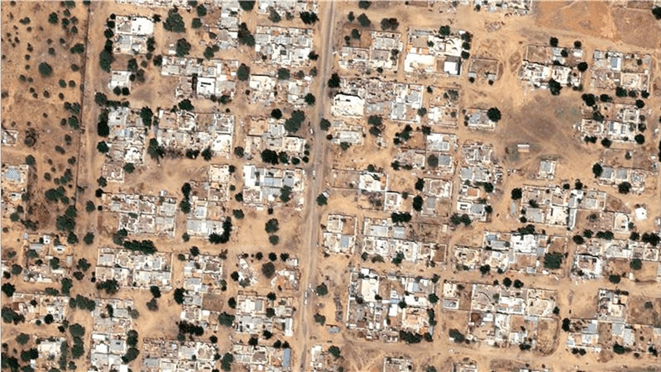
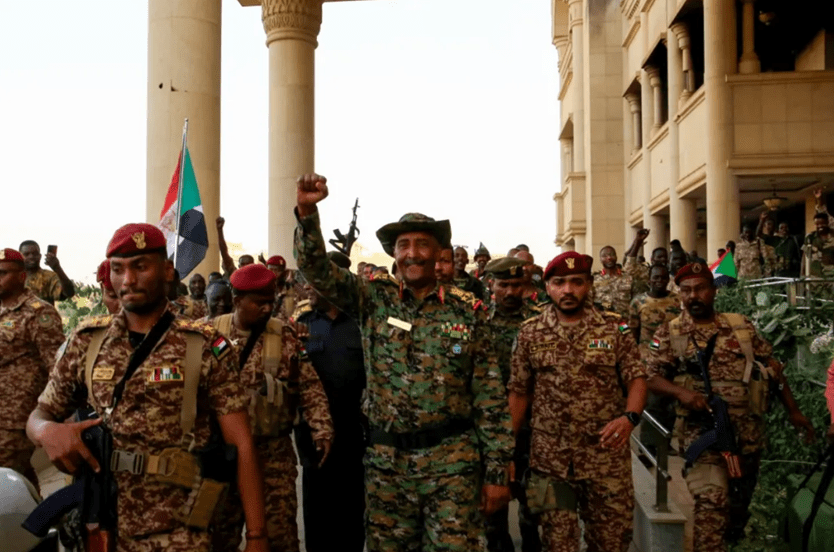
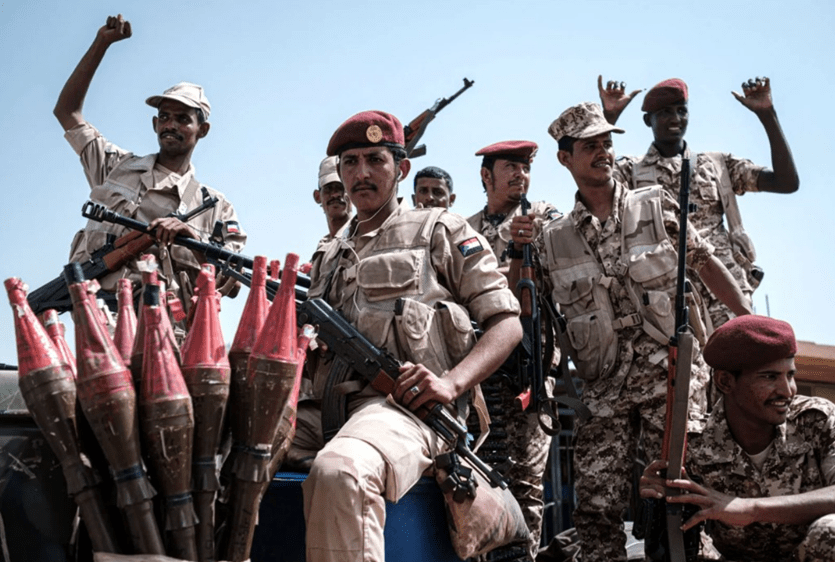
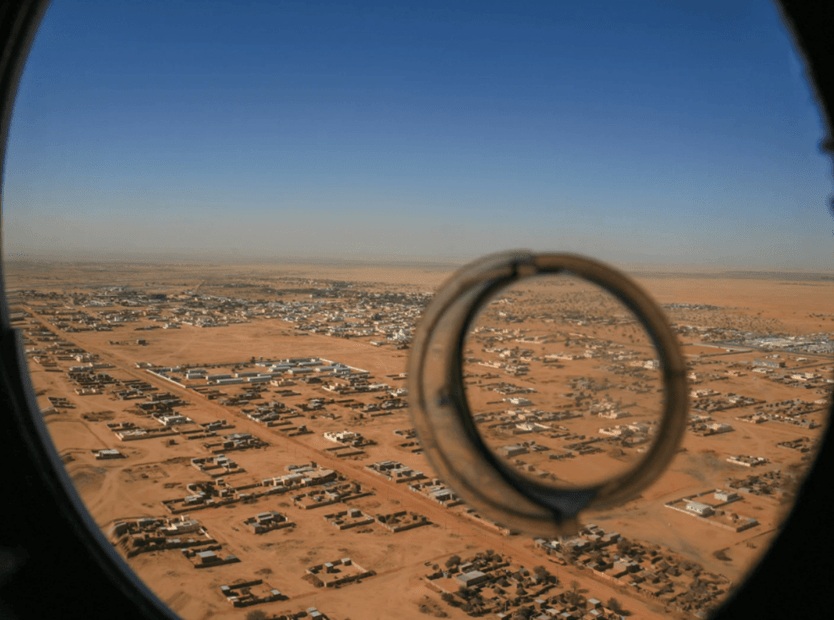
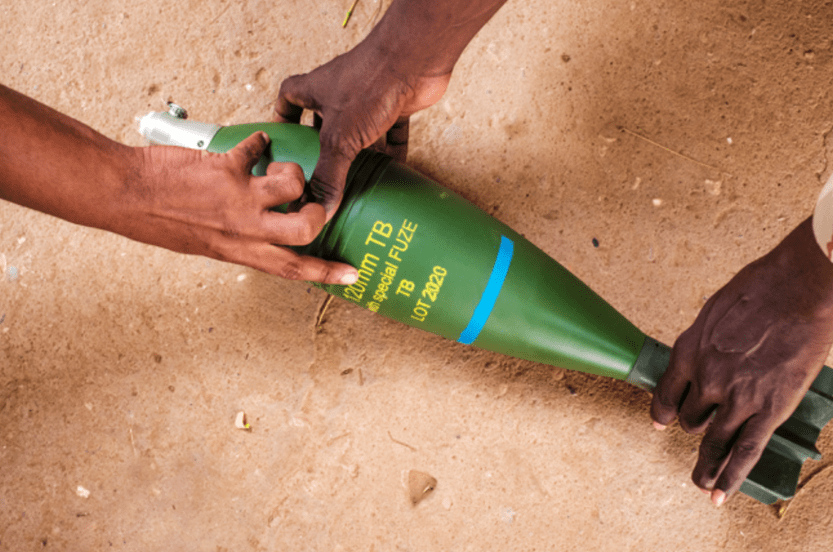
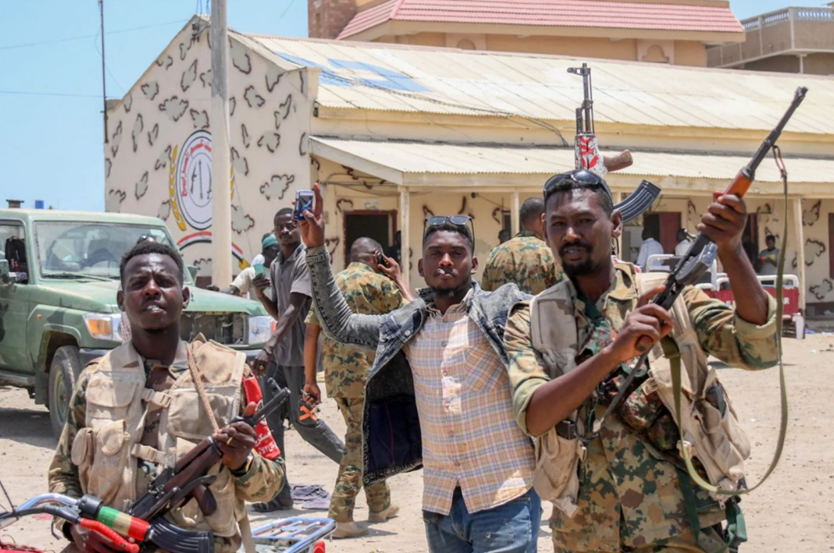
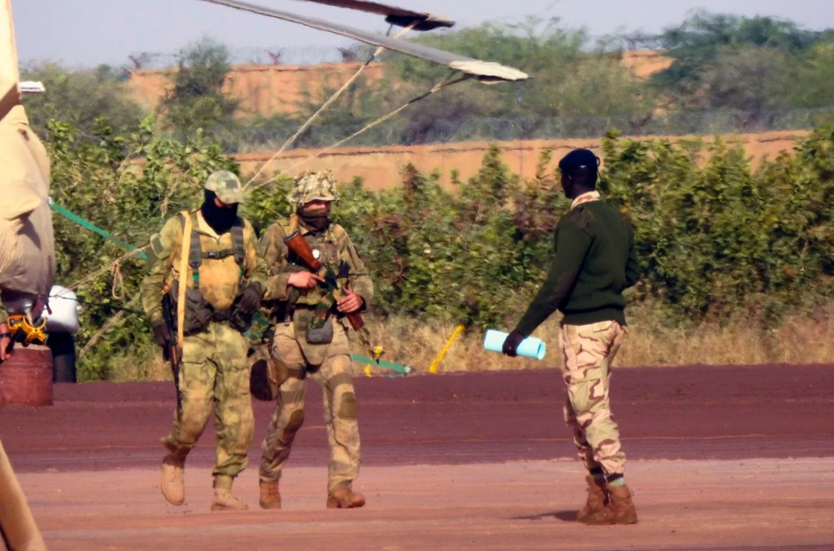
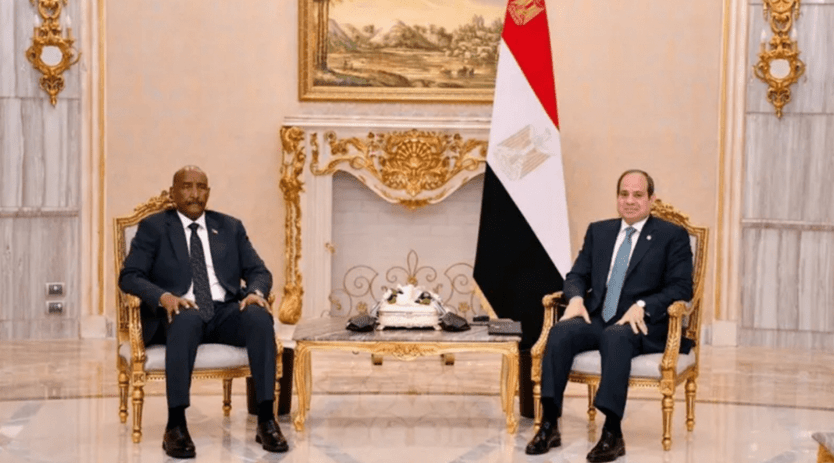
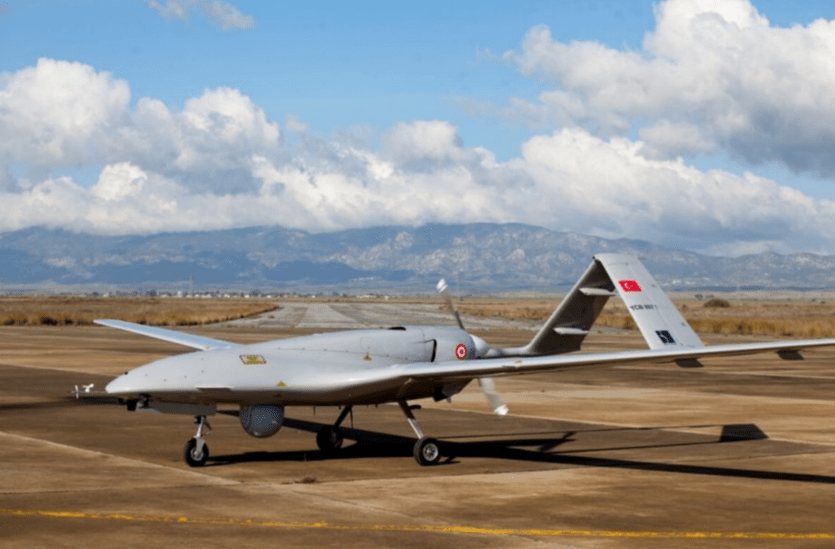
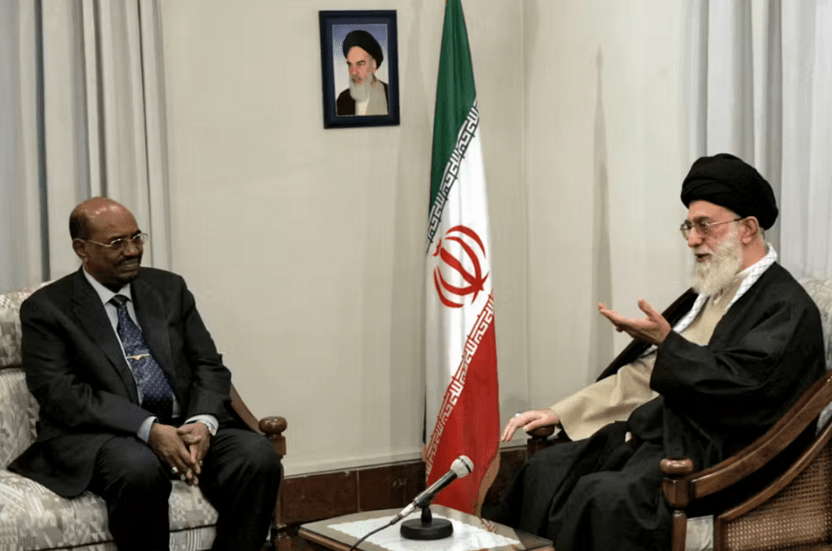
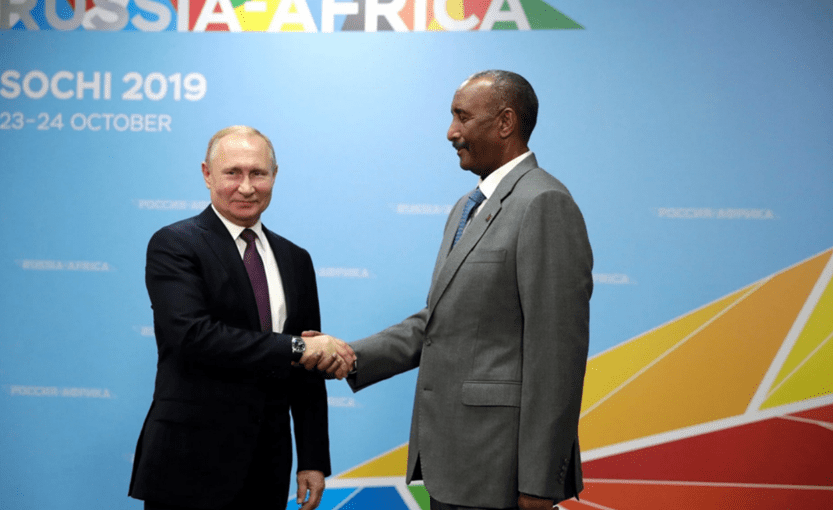
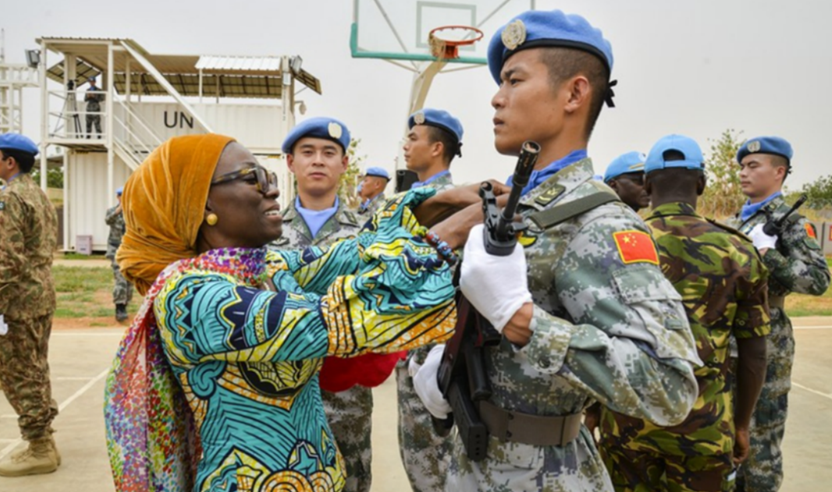
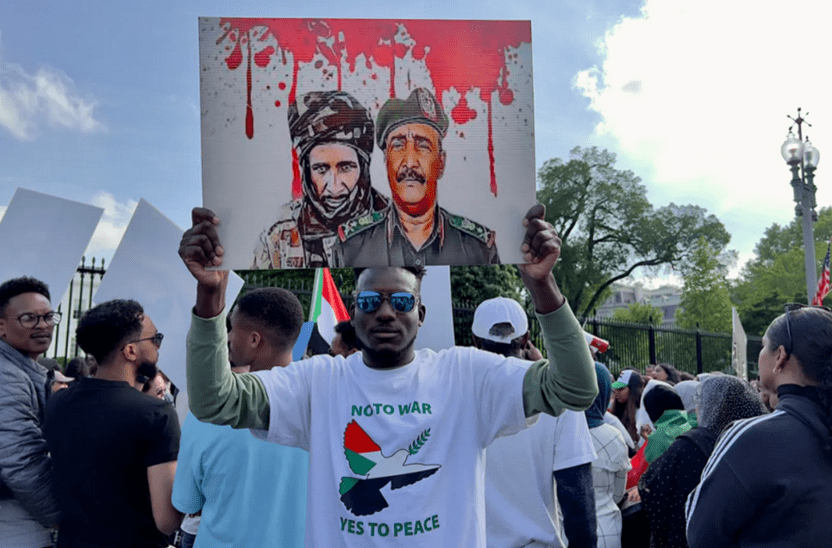
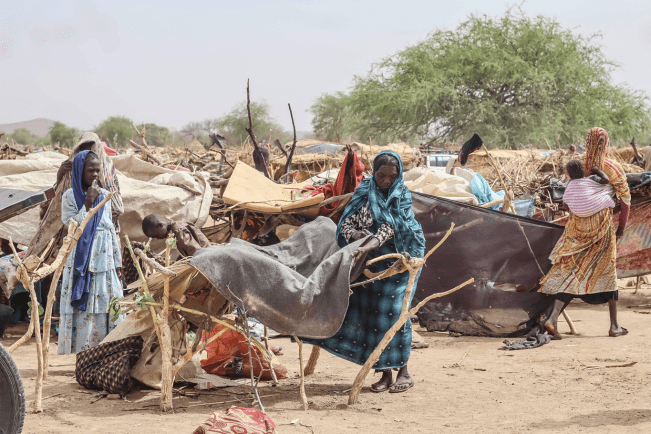




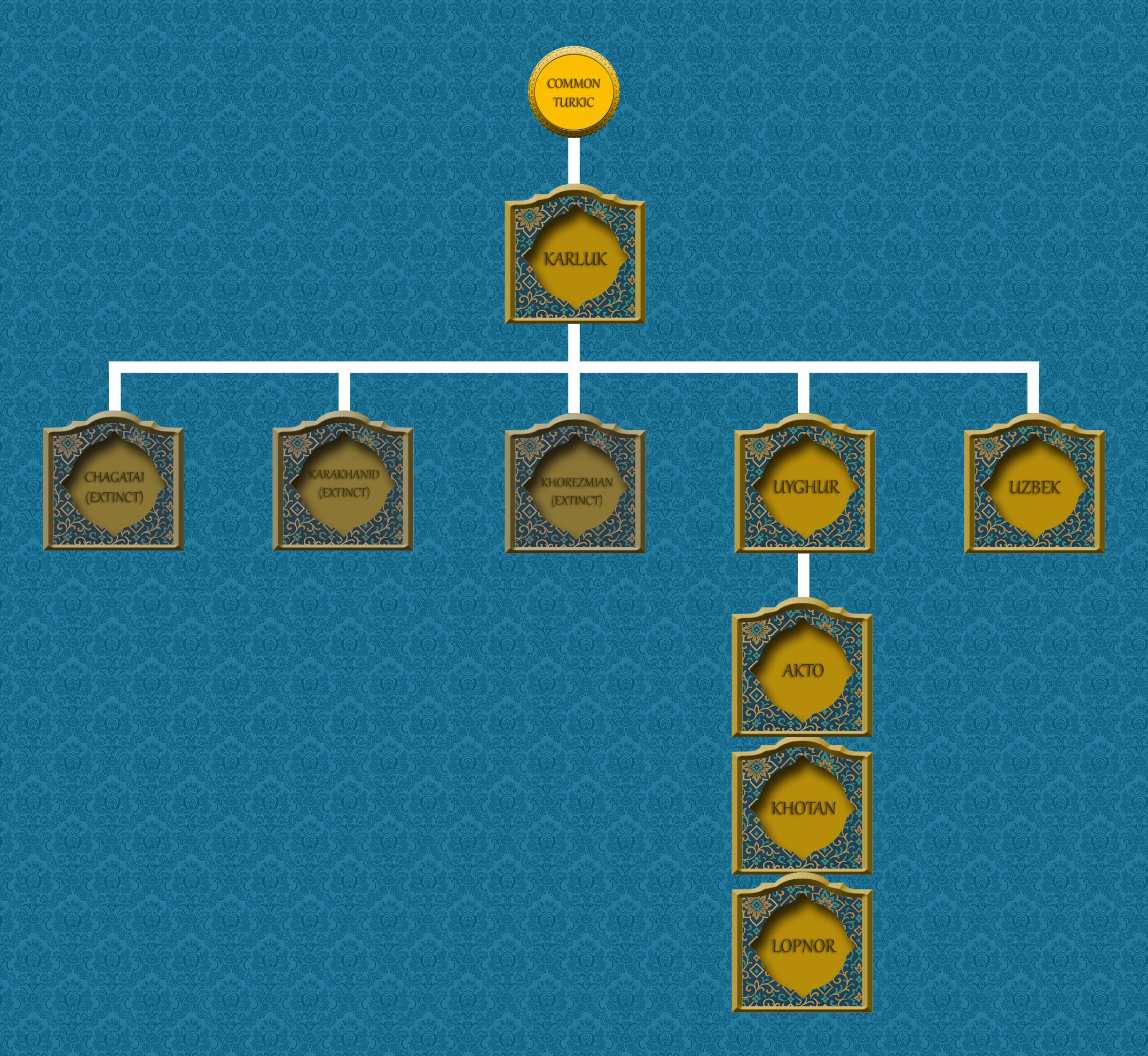
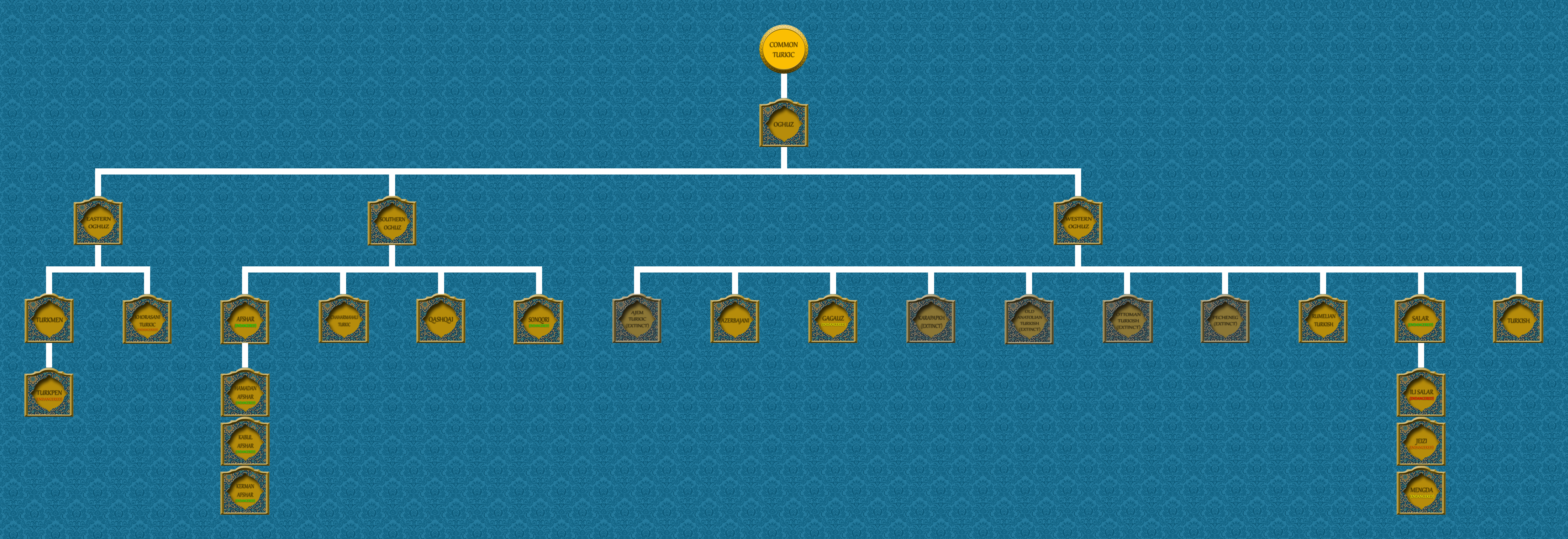

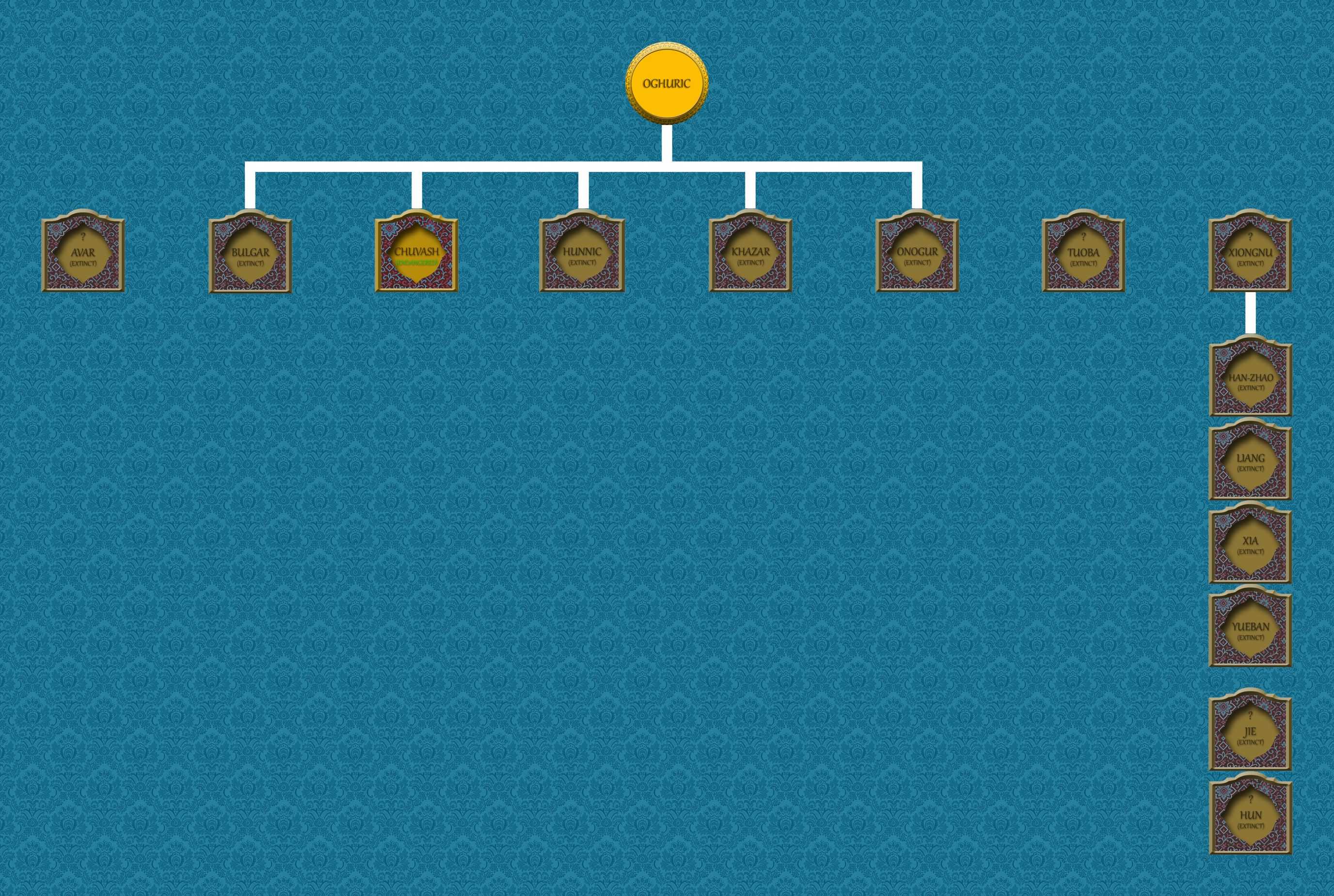
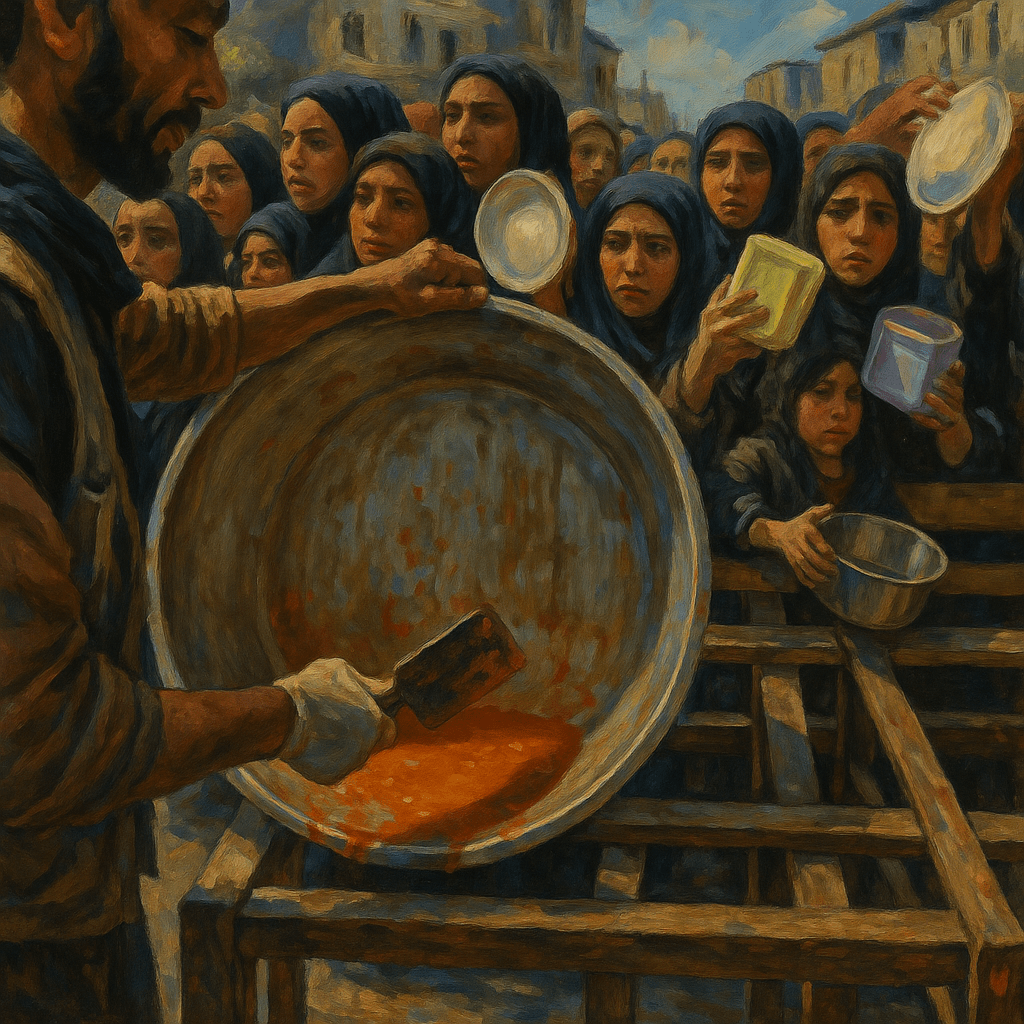

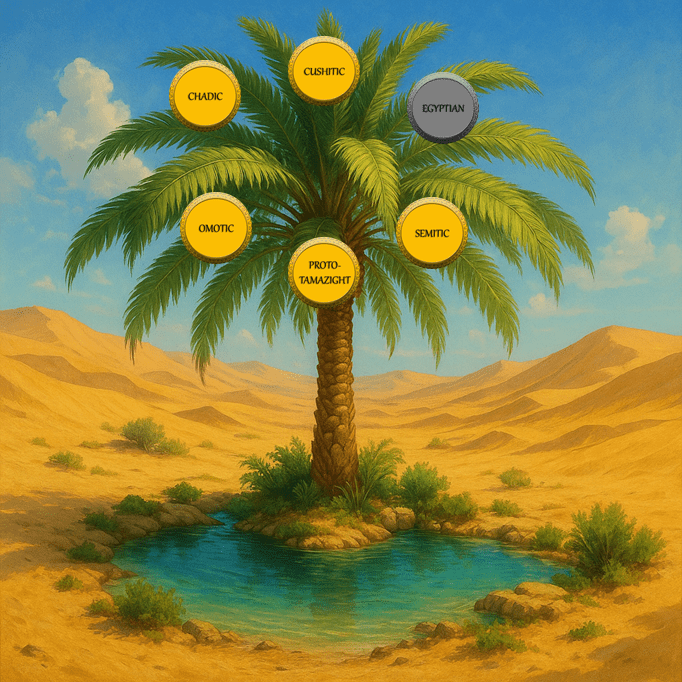

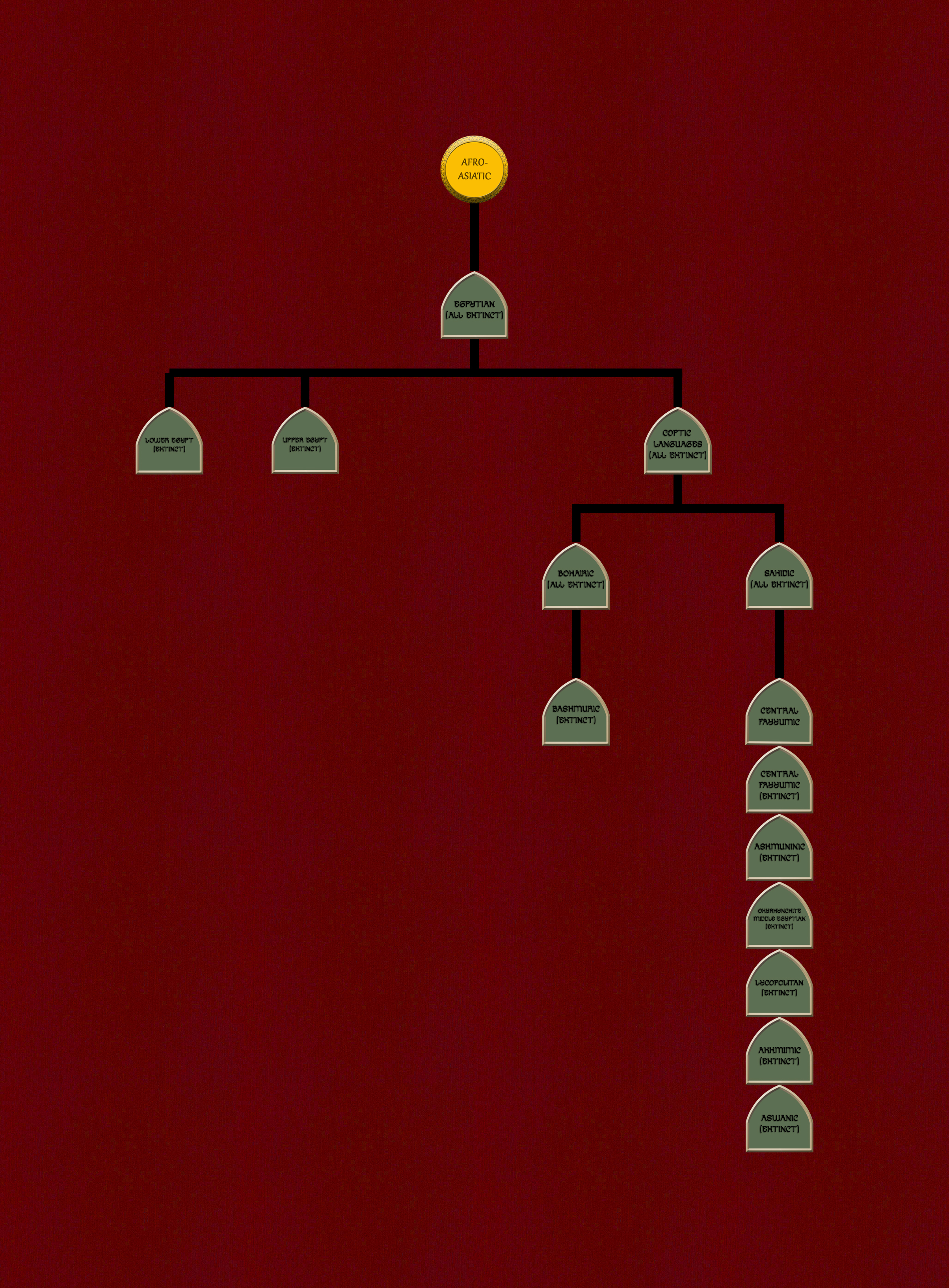
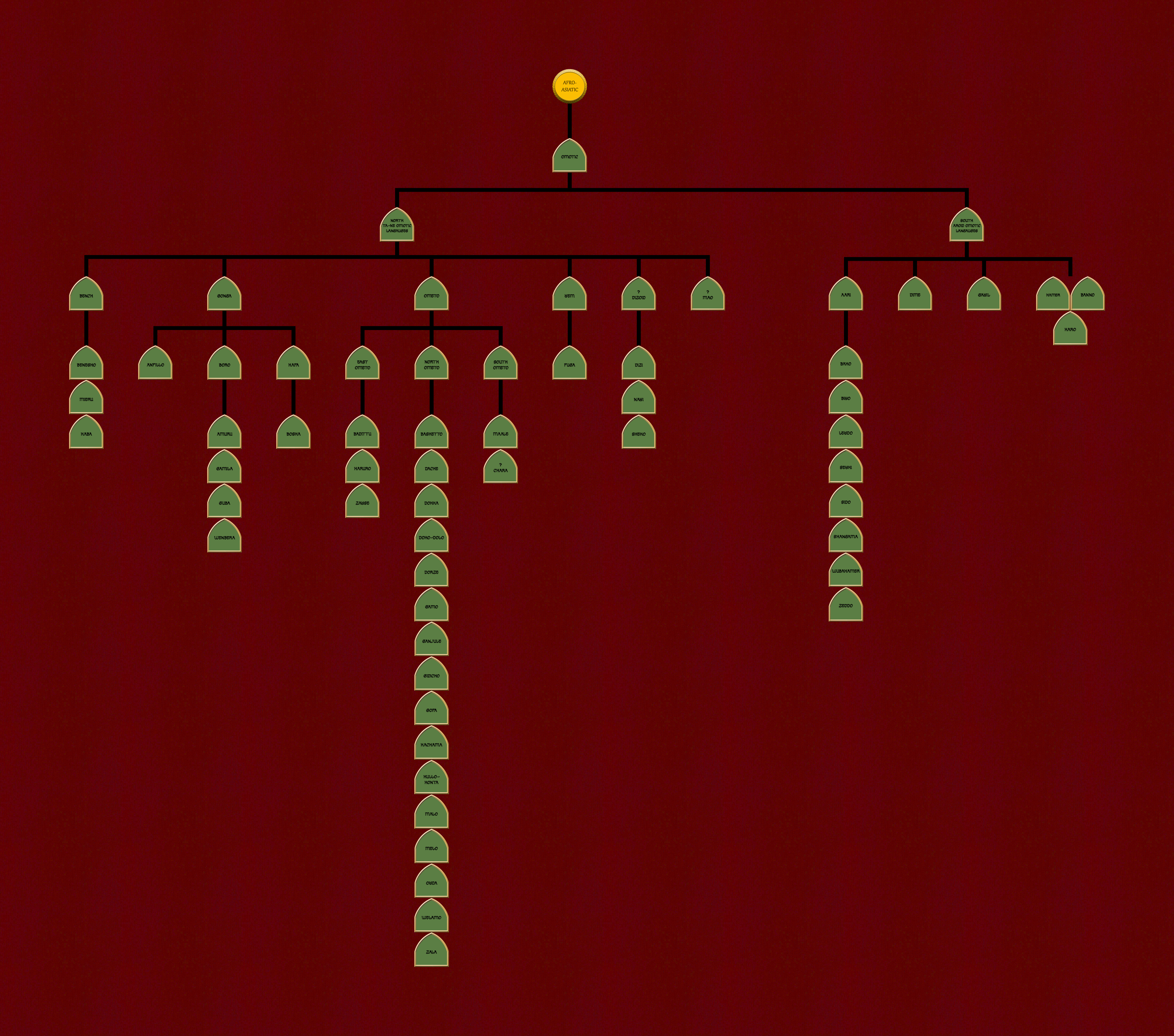
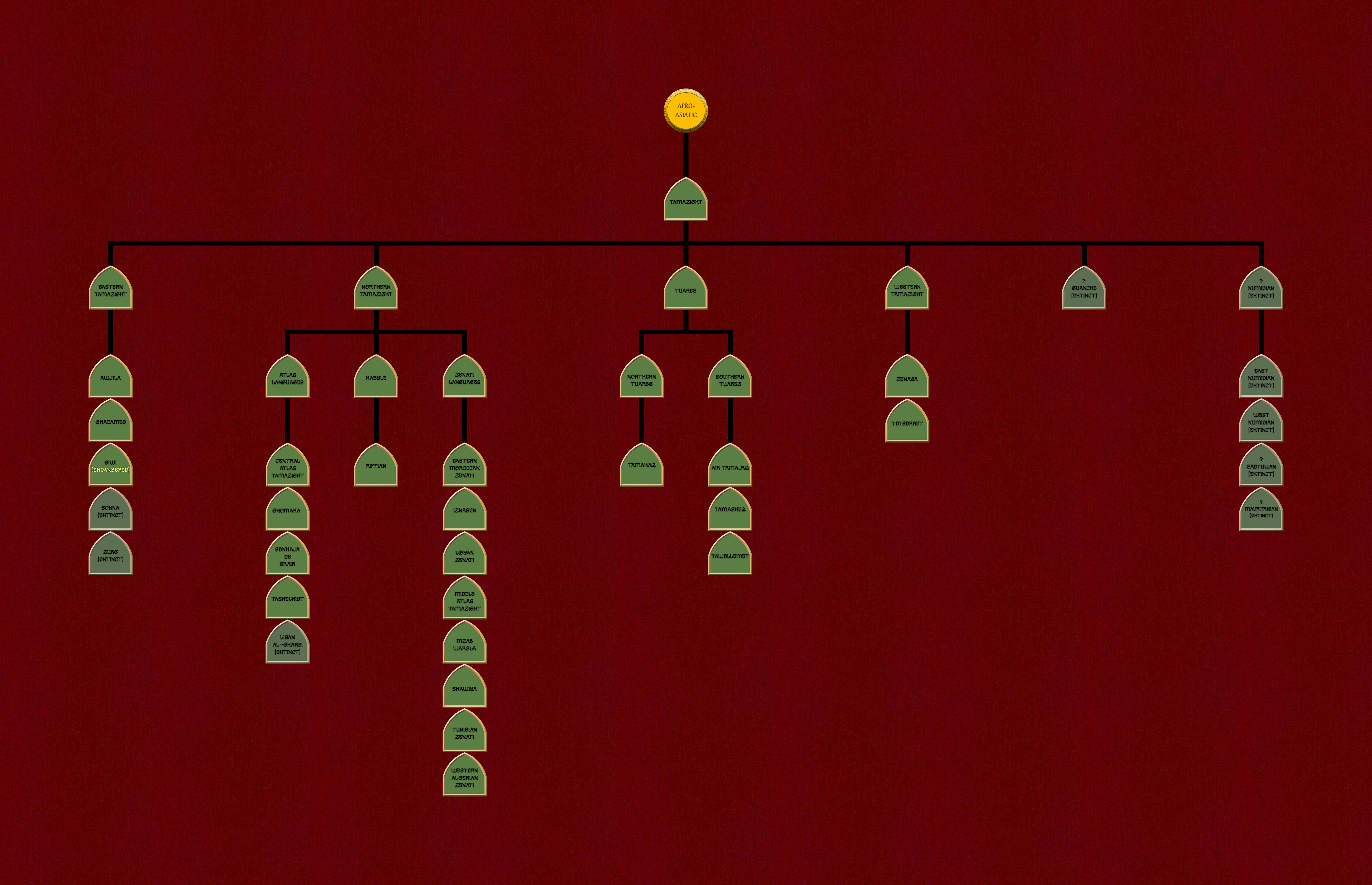
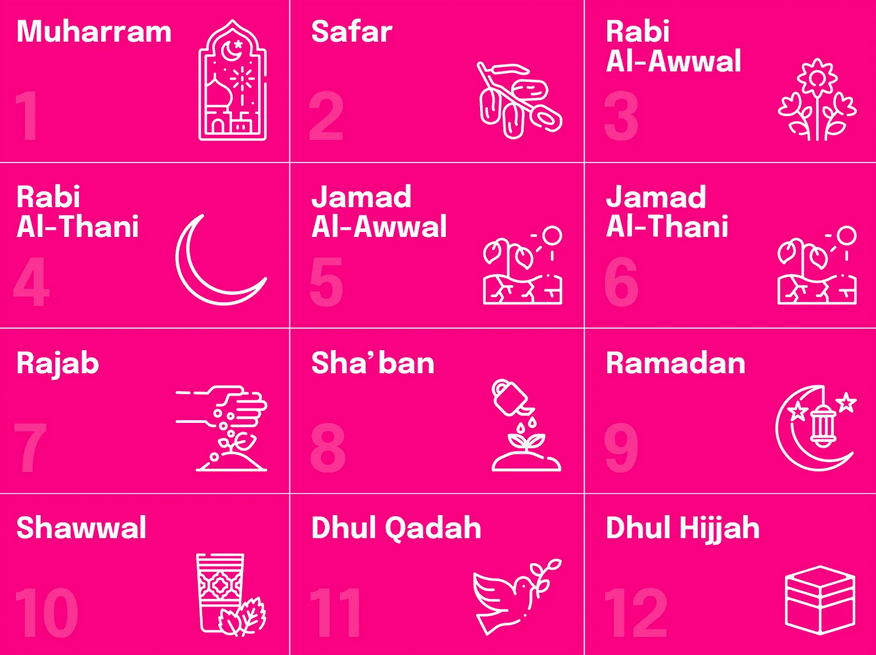


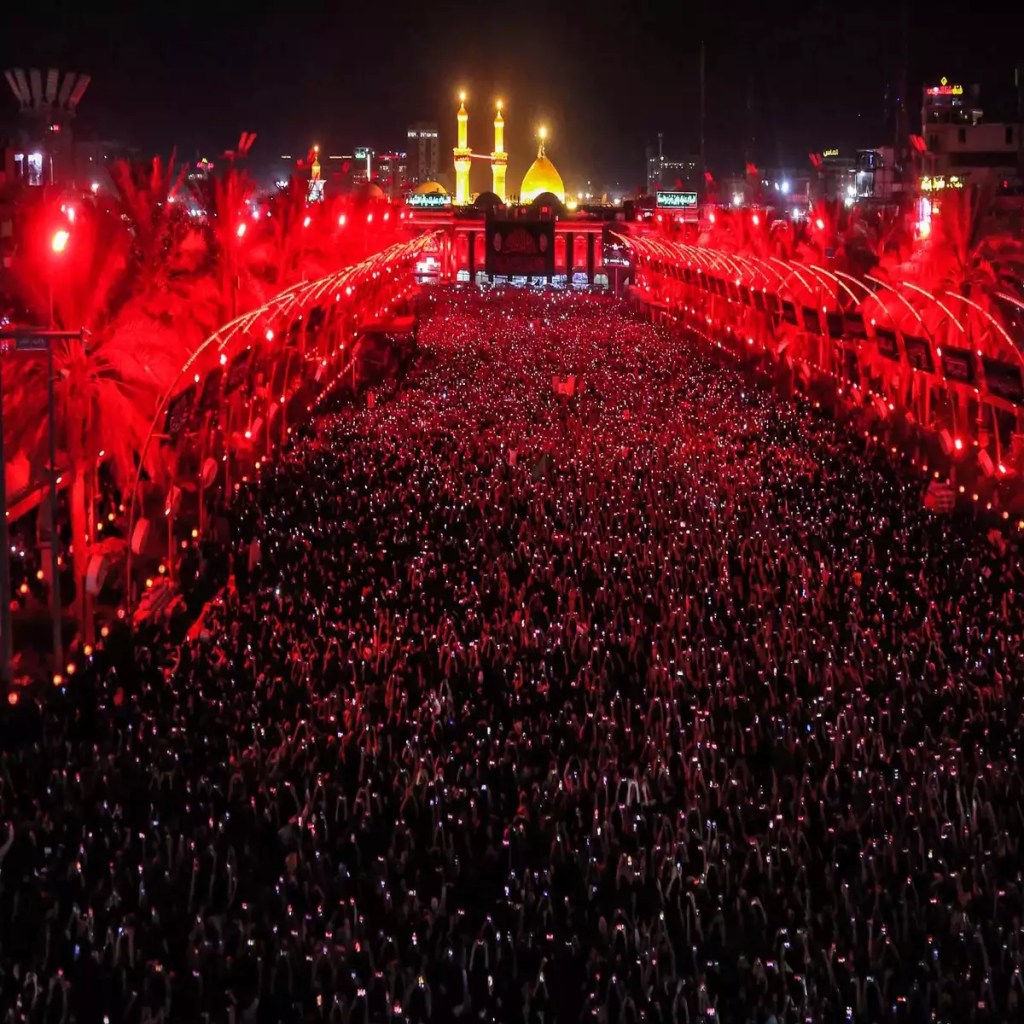
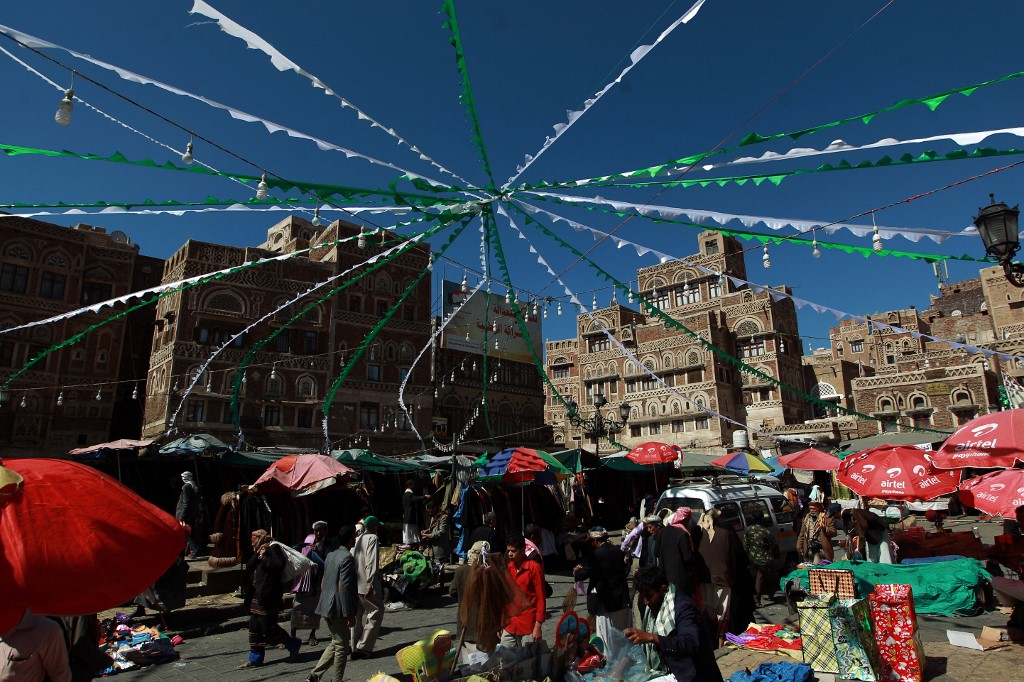
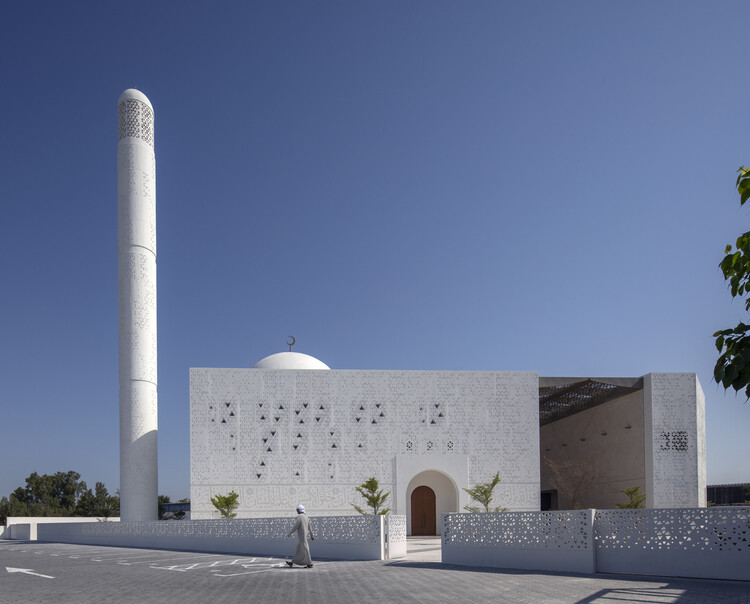
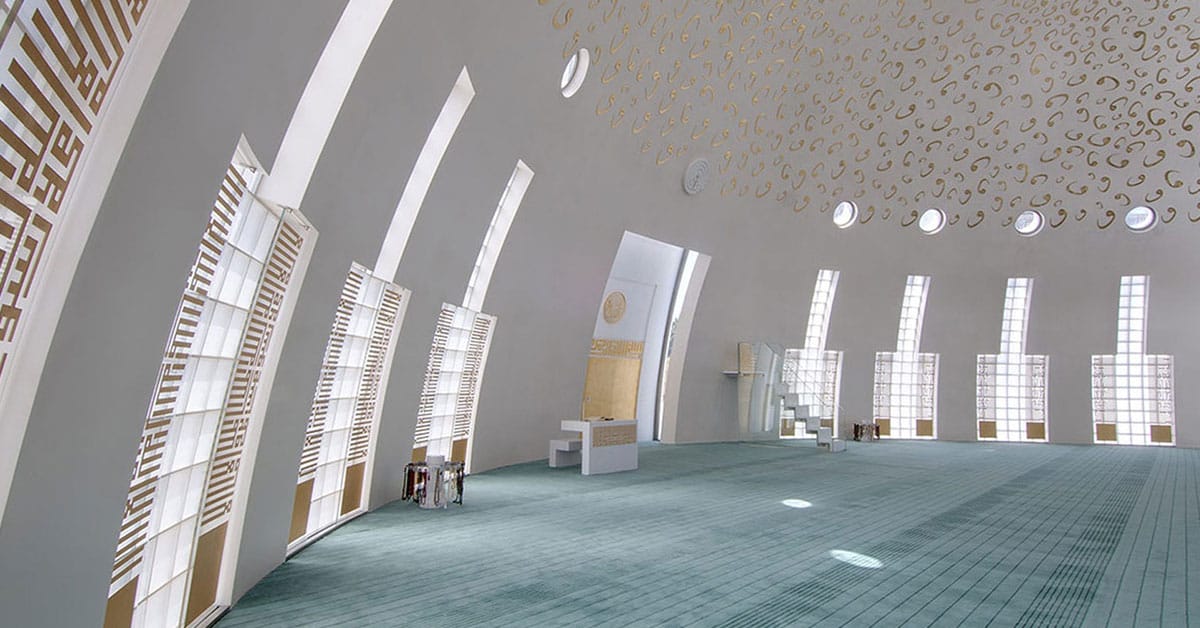
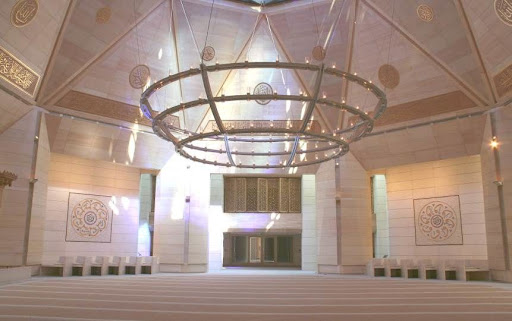


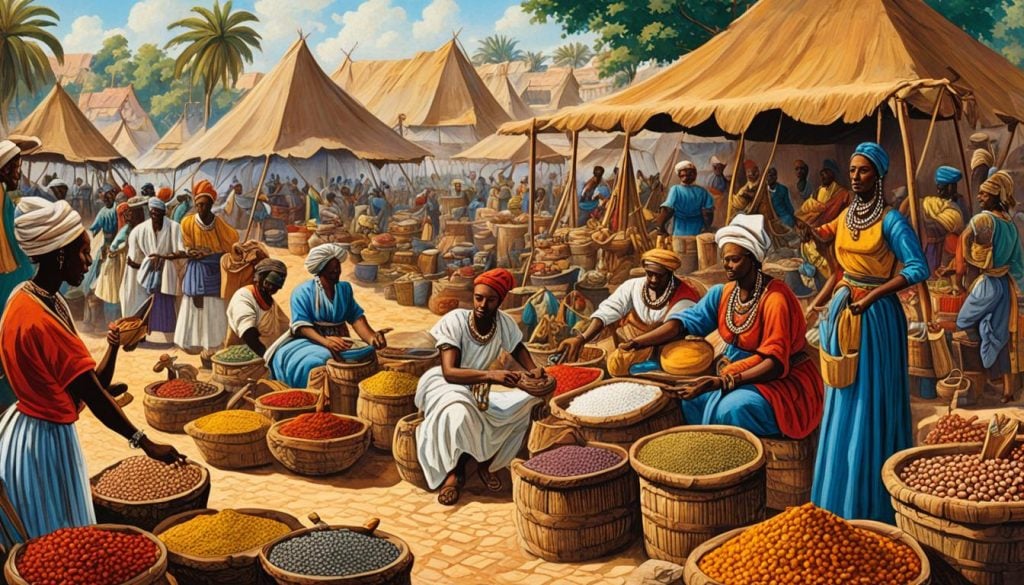




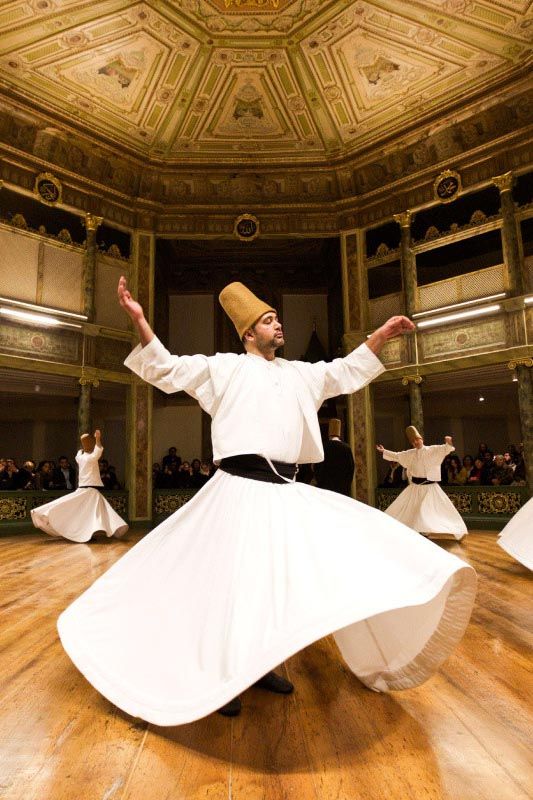
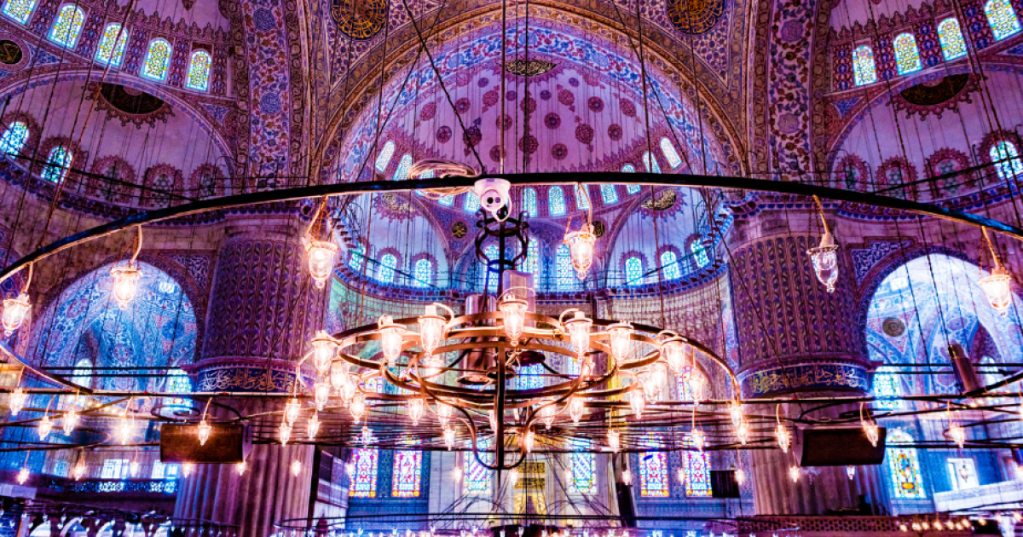




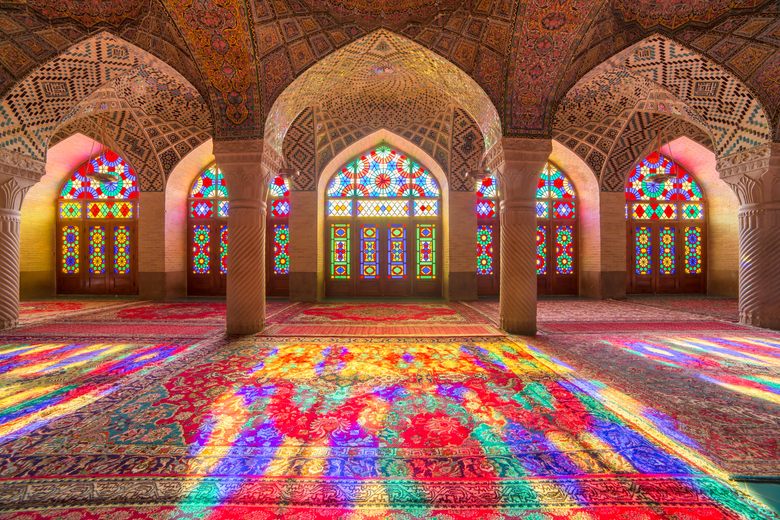





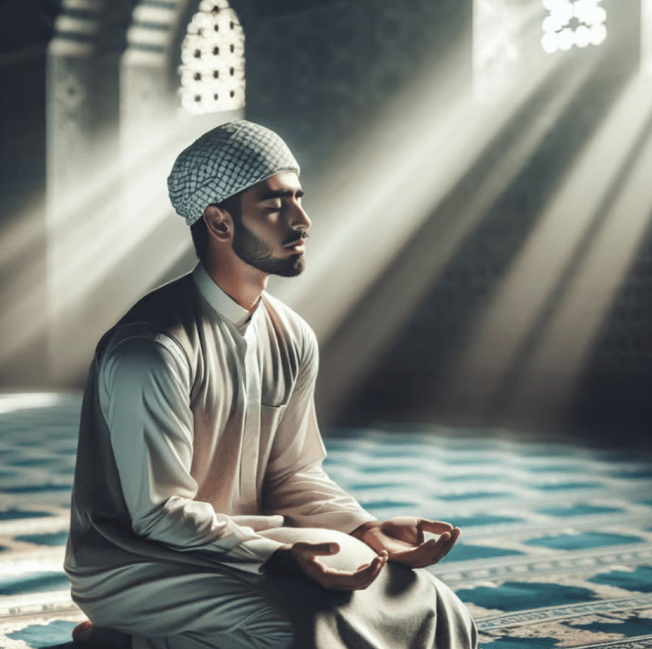

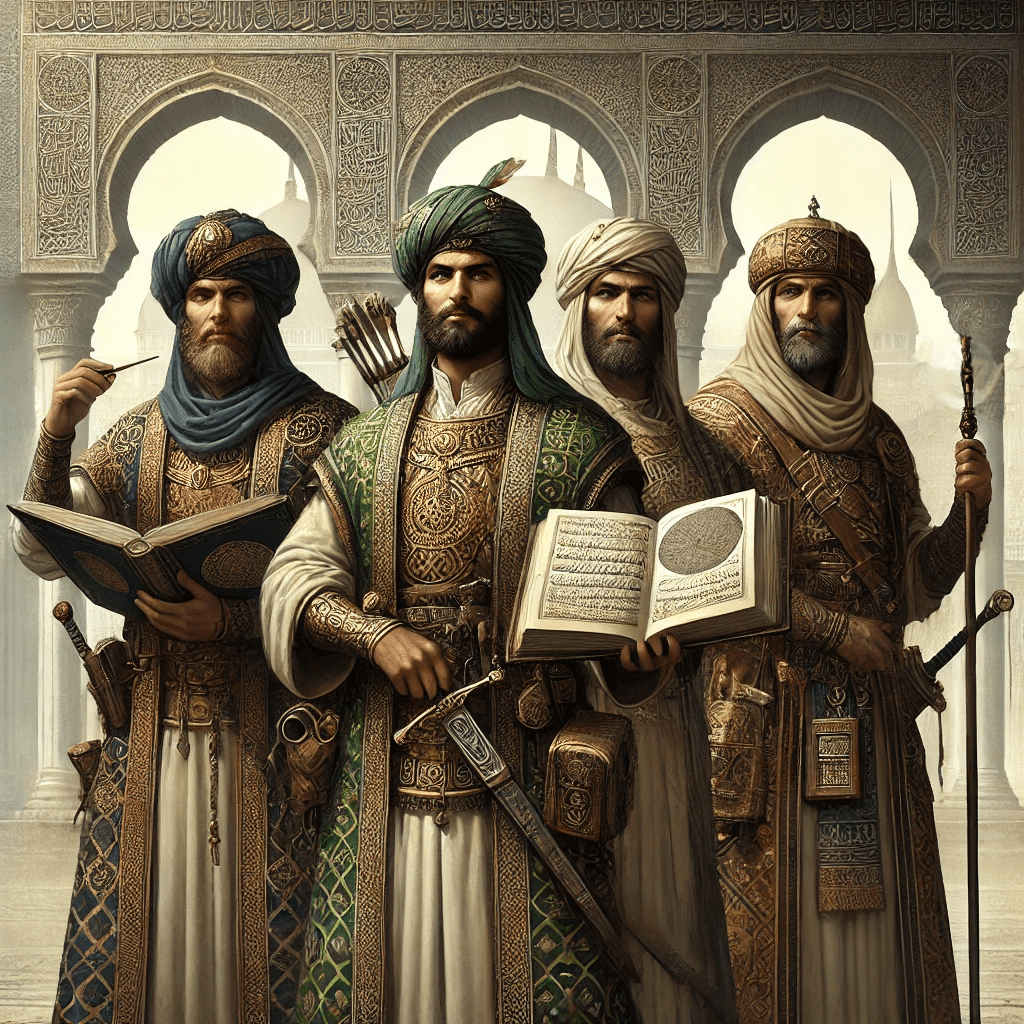
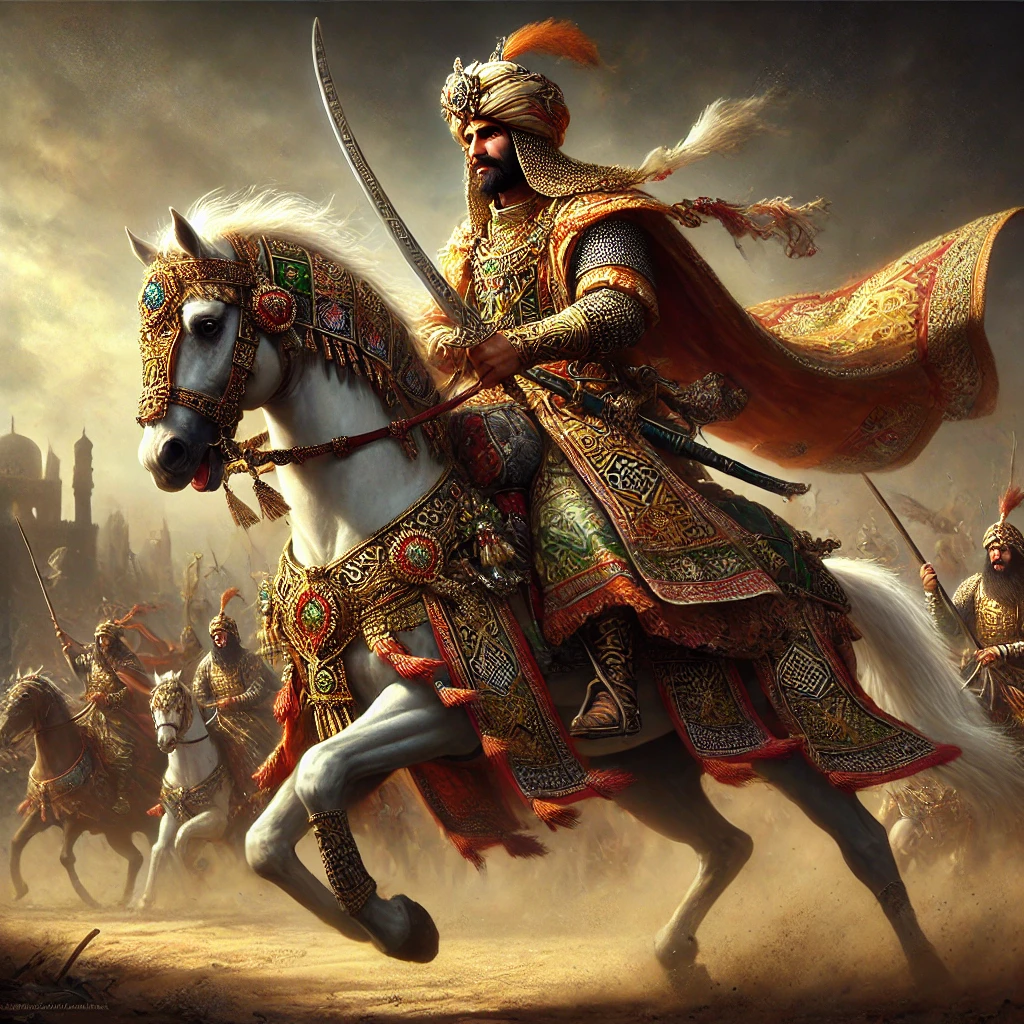
 Vault of Stones