
The essential practices required to live as a devout Muslim are known as “the Five Pillars of Islam.” These core obligations include declaring the profession of faith (shahada), performing the five daily prayers, giving alms to those in need, fasting during the holy month of Ramadan, and, if feasible, making a pilgrimage to Mecca.

The First Pillar – The Shahada
The most fundamental religious act in Islam is the profession of faith, expressed in the declaration: “La ilaha illa Allah; Muhammad rasul Allah” (There is no deity but Allah; Muhammad is the messenger of Allah). This declaration, known as the shahada, holds profound significance in a Muslim’s life. It is traditionally the first words whispered into the ears of a newborn Muslim and often the last words recited by a dying believer. Devout Muslims strive to repeat this powerful affirmation frequently throughout their day, as its sincere utterance is what defines and affirms one’s identity as a Muslim.
The Second Pillar – Salaht (Daily Prayers)
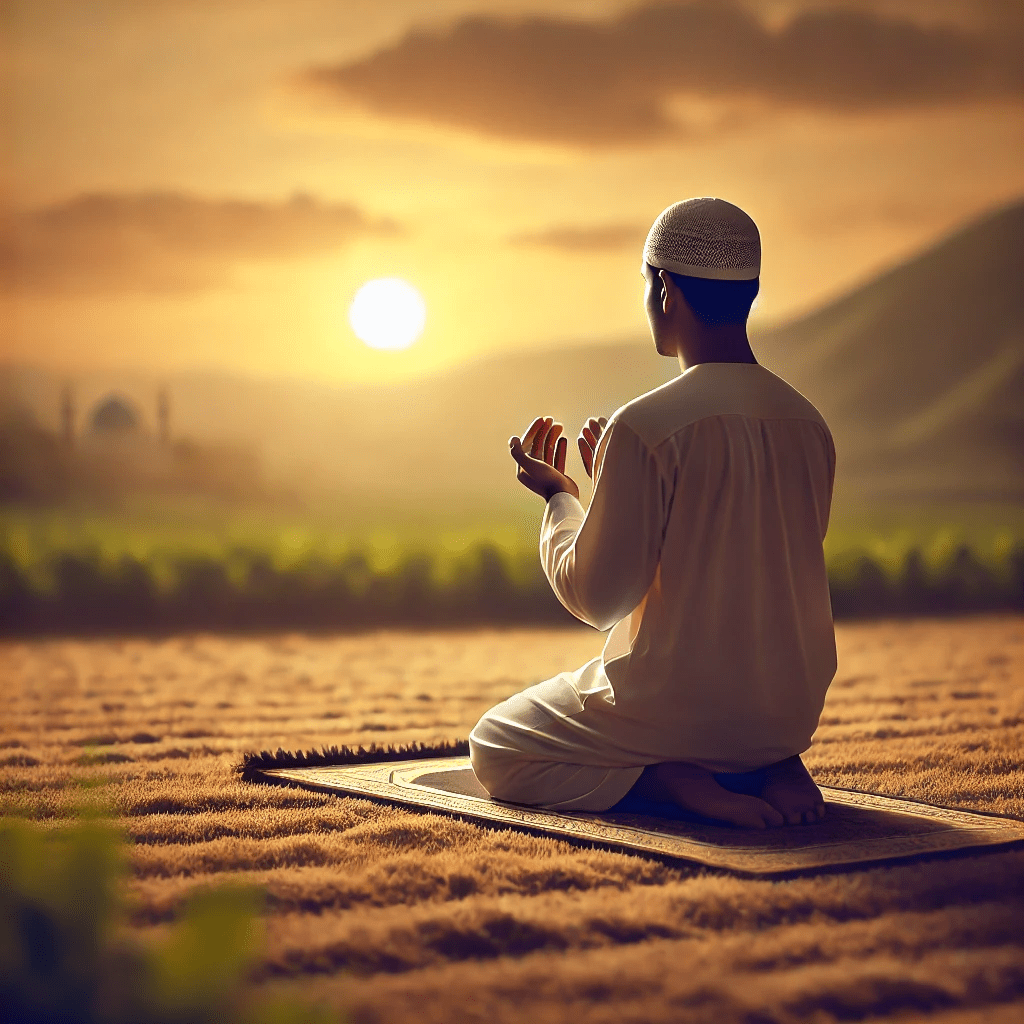
Muslims are required to pray at least five times a day at specific times: dawn (Fajr), midday (Dhuhr), mid-afternoon (Asr), sunset (Maghrib), and nightfall (Isha). In many Muslim communities, the call to prayer (adhan) is announced by a muezzin, traditionally from the top of elegant towers called minarets. In smaller communities, the call may be made from the entrance of local mosques. Wherever Muslims are, they pause to perform the prescribed prayers.
Before praying, Muslims must cleanse themselves of physical impurities through a ritual called ablution (wudu). This involves washing the hands, face, and feet. Most mosques are equipped with washing facilities for this purpose. In situations where water is unavailable, Muslims may use clean sand or soil in a symbolic act of purification known as tayammum.
During prayer, worshipers face Mecca and perform a series of prostrations and recitations. It is customary for men and women to pray separately. Some mosques are exclusively for men, while others provide designated areas for both genders. In some cultures, women are not obligated to attend communal prayers in mosques, as they may prioritize caring for children, managing household responsibilities, or attending to their own health. Praying at home is considered equally valid for women, reflecting flexibility in Islamic practice to accommodate different circumstances.

The Third Pillar – Zakaht (Almsgiving)
Muslims are obligated to share their wealth with those in need, including the poor, widows, orphans, and the elderly. This act of charity, known as almsgiving (zakat), may also be directed toward supporting religious institutions that provide aid on a larger scale, as well as benefiting scholars and students. Charity is not merely encouraged but is a requirement under Islamic law, assessed as a tax ranging from 2.5% to 10% of an individual’s wealth, depending on the type of assets.
Islam places great emphasis on the dignity of both giving and receiving alms, viewing both as acts that invite God’s blessings. Unlike in some societies, begging is not seen as dishonorable in Islam when it arises from genuine need. The spirit of zakat fosters a sense of communal responsibility and compassion, ensuring that wealth is redistributed to support those less fortunate.
The Fourth Pillar – Sawm (Fasting)
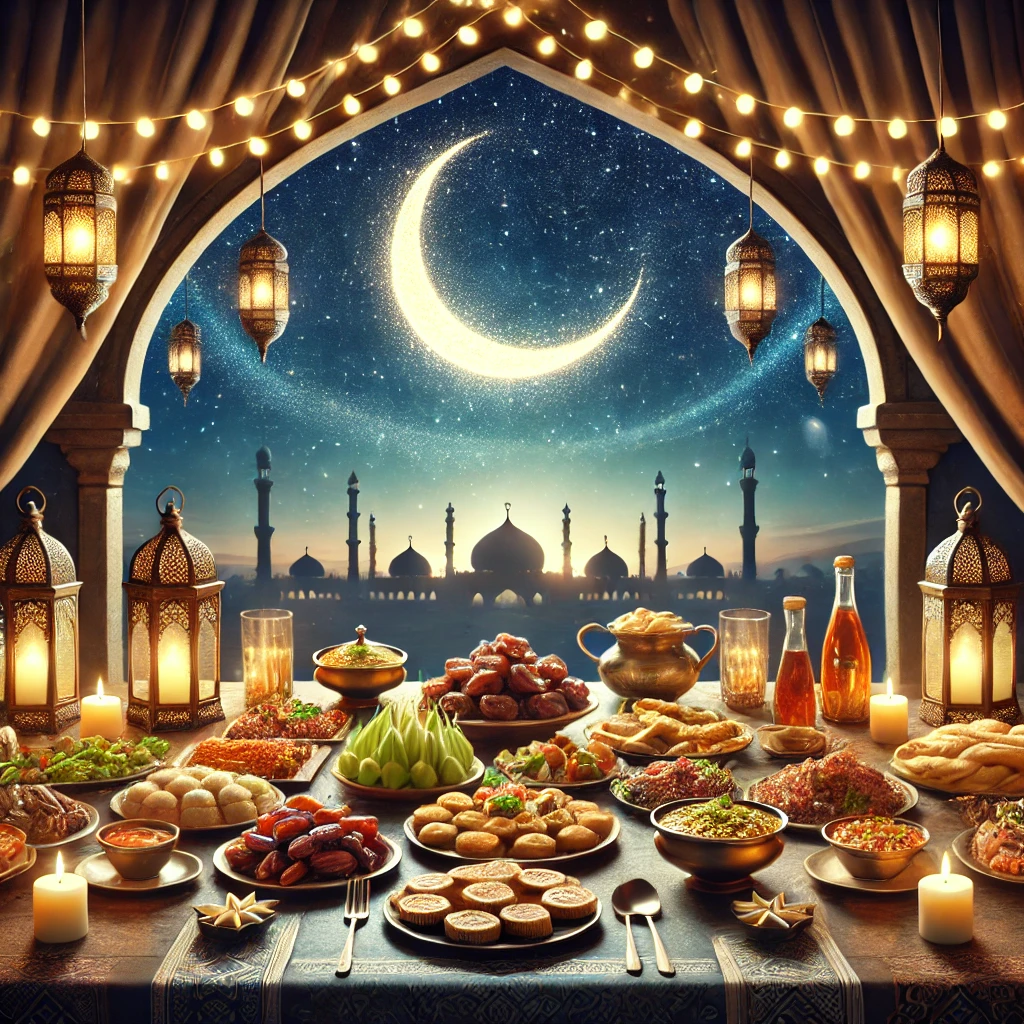
Many religions include fasting as part of their observances, though it is often brief or limited. For example, Jews fast on the Day of Atonement (Yom Kippur), while Roman Catholic Christians observe certain fast days and abstain from eating meat during Lent. Islam, however, prescribes one of the longest and most rigorous fasts. Each year during the holy month of Ramadan, Muslims fast from dawn to sunset, refraining from eating, drinking, smoking, and engaging in intimate relations during daylight hours.
This fast is observed in commemoration of the month when the Prophet Muhammad (ﷺ) first received divine revelation. Because the Islamic calendar is lunar, Ramadan shifts each year, occasionally falling during summer, when fasting from food and water in the long, hot days can be especially challenging. According to Islamic tradition, the fast begins at dawn, marked by the moment one can distinguish a black thread from a white thread in the morning light. It ends at sunset when these threads can no longer be distinguished.
Certain groups are exempt from fasting, including the sick, travelers, nursing mothers, and children. However, they are encouraged to compensate for missed fasts at a later time or provide meals to those in need as an alternative.
The conclusion of Ramadan is marked by a joyous three-day celebration known as Eid al-Fitr, during which families gather, share meals, and give thanks. Completing the Ramadan fast is believed to bring spiritual purification and forgiveness of sins, reflecting the mercy and blessings of Allah.
The Fifth Pillar – Hajj (Pilgrimage)
The pilgrimage to Mecca, known as the Hajj, has deep historical roots, originating as a central ritual in the pre-Islamic Arab religion. It played a significant role in the early history of Islam and is described in the Qur’an as a fundamental duty for Muslims. The Prophet Muhammad (ﷺ) purified the Kaaba of its idols and, according to Islamic tradition, restored it as a shrine dedicated to Allah, the one Creator.
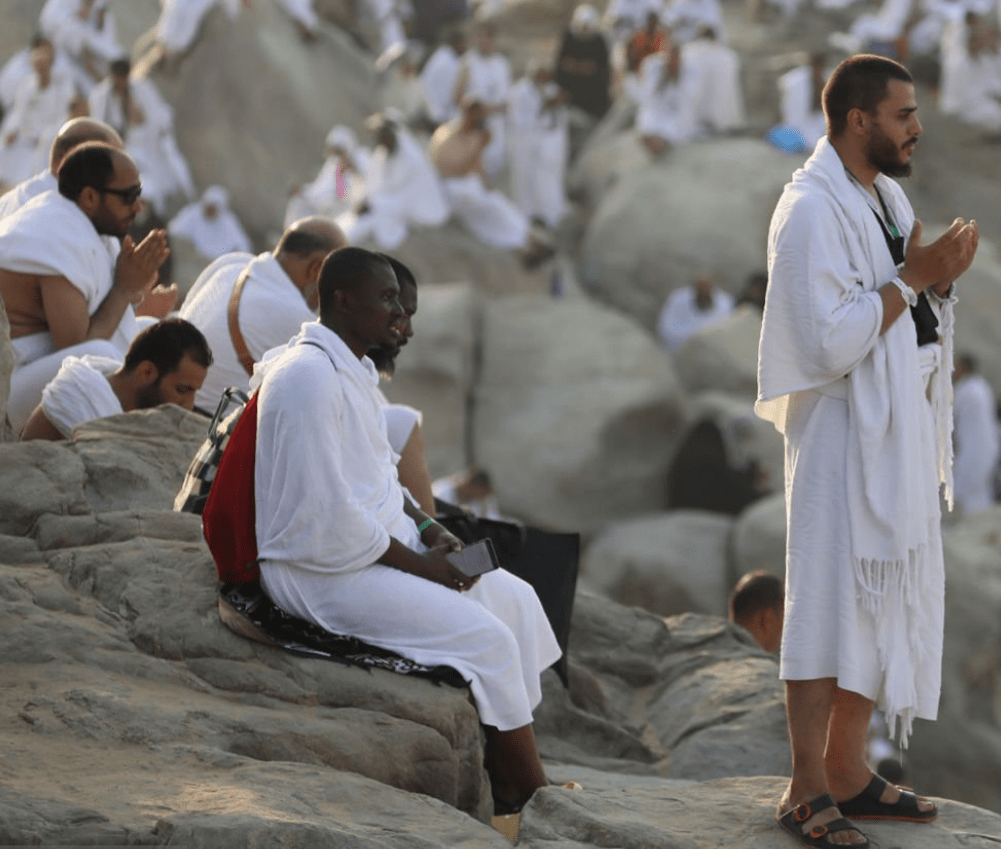
Every Muslim who is physically and financially able is required to perform the Hajj once in their lifetime. This sacred pilgrimage occurs during the Islamic lunar month of Dhu al-Hijjah, attracting millions of Muslims from around the world. For many, the journey represents a profound spiritual commitment, with some using their life savings to make the trip. Before modern transportation, the journey was arduous, and for the elderly or infirm, it often became a one-way trip, regarded as a blessed way to meet one’s end while fulfilling a divine obligation.
Upon reaching the outskirts of Mecca, pilgrims leave behind their modes of transport and complete the journey on foot. They don simple garments and sandals: men wear unstitched white cloth without head coverings, while women dress modestly in plain clothing. These garments eliminate distinctions of wealth or status, emphasizing equality before God. During much of the Hajj, pilgrims abstain from food, drink during daylight hours, intimate relations, and cutting of the hair and nails.
Key rituals during the Hajj include visiting the sacred Zamzam well, believed to have been provided by Allah to Hagar and her son Ishmael. Pilgrims perform Tawaf by circling the Kaaba seven times and, if possible, kiss the sacred black stone embedded in its wall. On the tenth day, they offer an animal sacrifice, often a sheep or goat, commemorating Abraham’s willingness to sacrifice his son in obedience to God’s command.
The pilgrimage often extends to Medina, where pilgrims pay their respects at the Prophet Muhammad’s (ﷺ) grave and visit his mosque. Upon returning home, Muslims who have completed the Hajj are honored with the title Haji or Hajjah, signifying their fulfillment of this profound religious obligation. This title serves as a lifelong reminder of their devotion and achievement.
 Vault of Stones
Nice work i wish you all the best 🙏inshaAllah