From the Qur’an and the early years of Islamic life, certain religious institutions developed that are almost universally recognized by Muslims.
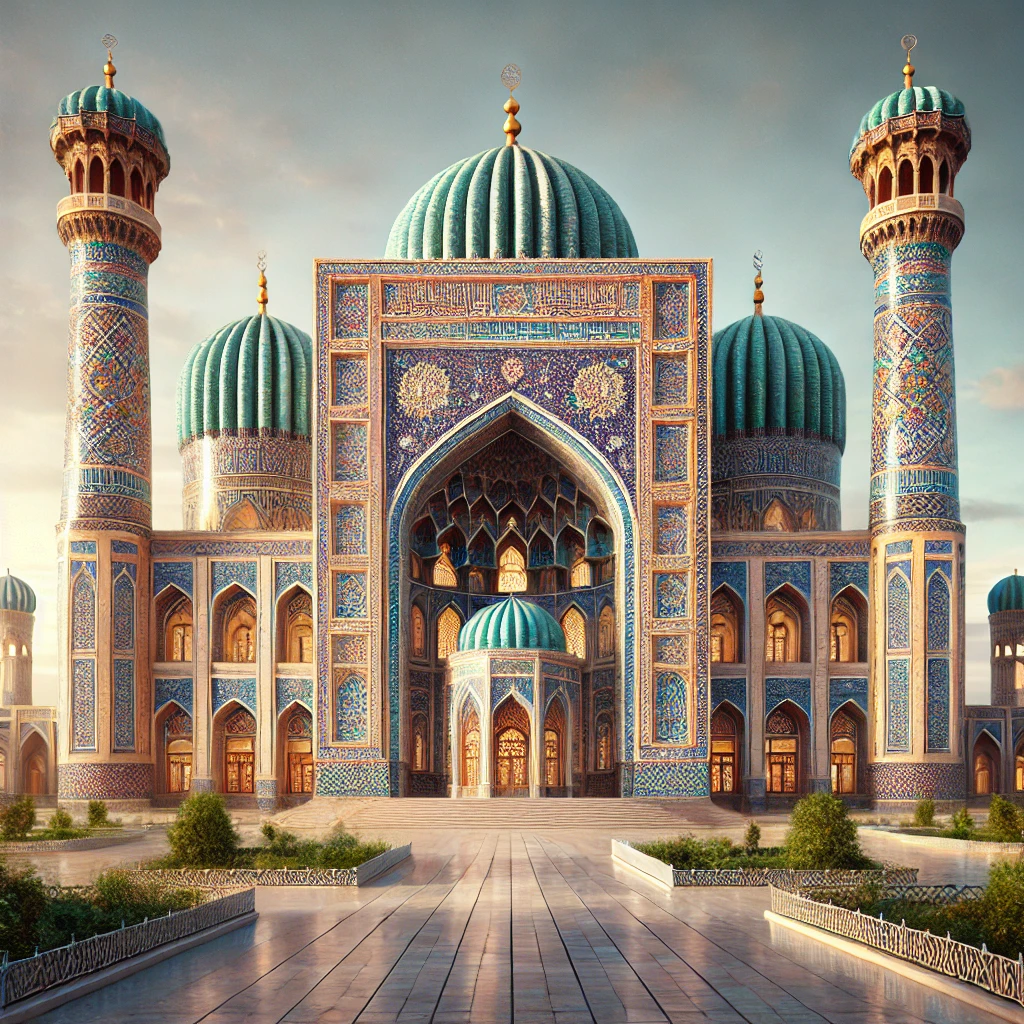
Islam is not a temple-oriented religion. While certain places hold special significance for Muslims, the nomadic lifestyle of the early Arab people would have been incompatible with a requirement to worship in fixed temples. Instead, the nature of their lives necessitated the ability to worship Allah freely and regularly, regardless of location.
As a result, Muslim worship is conducted in a variety of settings, with the mosque serving as a communal gathering place rather than a mandatory site for daily prayers. Prophet Muhammad (ﷺ) designated Friday as a special day for communal worship, paralleling the Sabbath traditions of Jews on Saturday and Christians on Sunday. However, unlike these Sabbaths, Friday is not a day of rest in Islam. Instead, it is the one day of the week when Muslim men are obligated to perform the congregational prayer (Jumu’ah) at the mosque.
During this service, an imam—selected by the community for his knowledge and piety—leads the prayer. The Friday gathering also includes a sermon, or khutbah, which may be delivered in Arabic or the congregation’s native language, addressing spiritual, ethical, or practical matters. Outside of this communal obligation, Muslims are free to fulfill their other religious duties independently, without needing the presence of a mosque or its leadership.
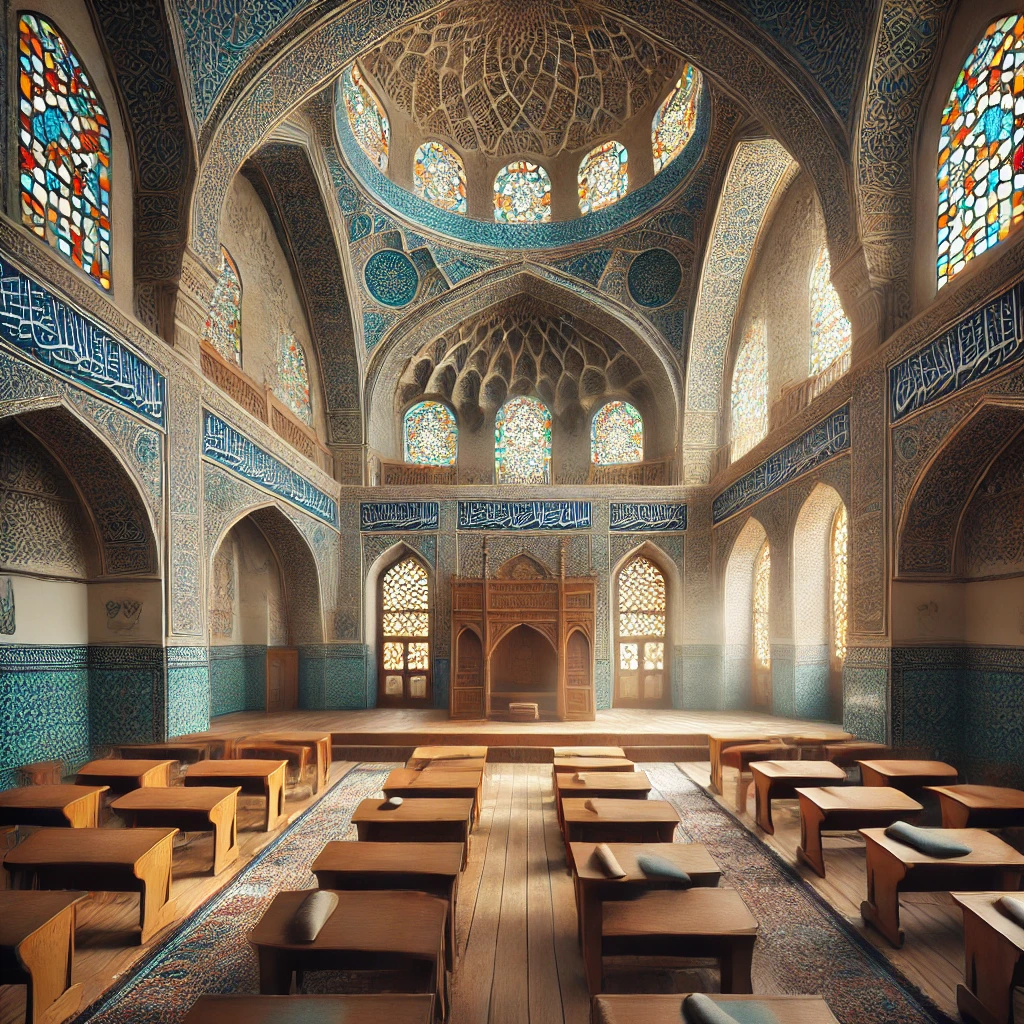
Mosques have historically functioned as schools and libraries, serving as vital centers of learning in the Islamic world. For much of Islamic history, the mosques of Mecca and Medina were among the foremost hubs of religious and intellectual activity. Over time, specialized educational institutions known as madrasas emerged alongside large urban mosques. These schools provided instruction in various disciplines, including Qur’anic recitation and interpretation, Hadith studies, theology, Islamic law (fiqh), and, in many cases, the mystical teachings and practices of Sufism.
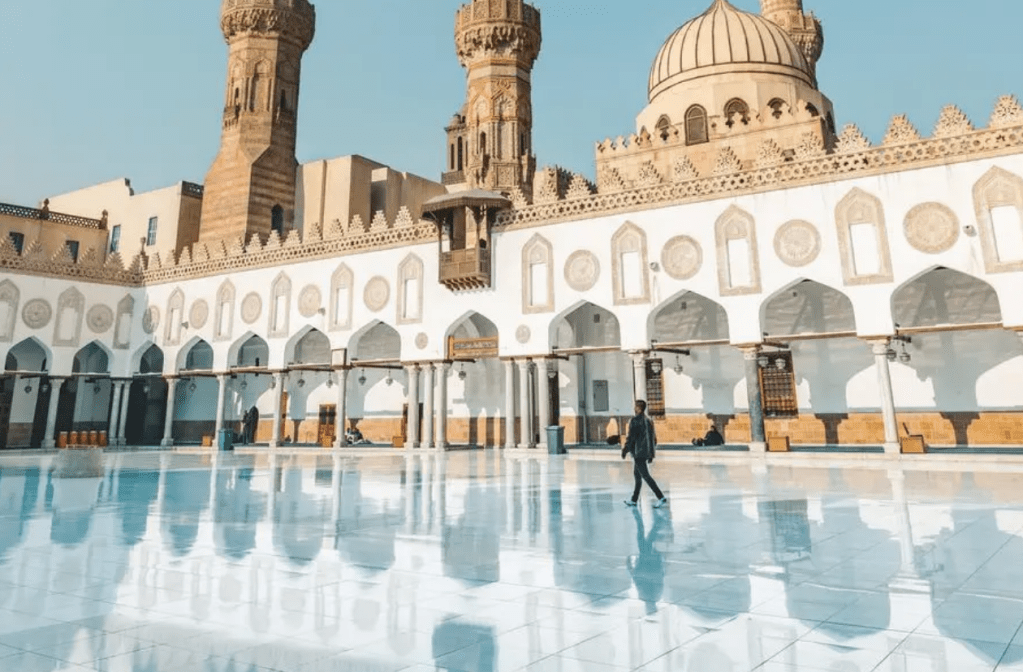
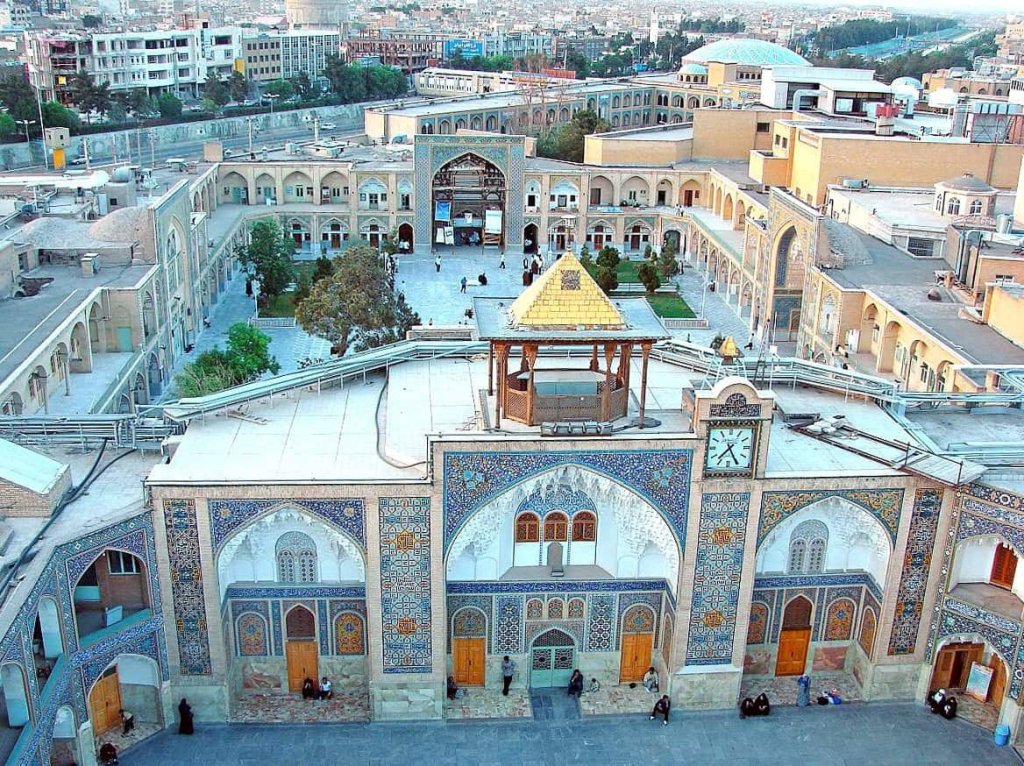
In major centers of Islamic scholarship, numerous madrasas flourished, with some evolving into renowned universities that continue to attract students from across the globe. Among the most famous of these is Al-Azhar University in Cairo, widely regarded as one of the oldest universities in the world. Al-Azhar has long held a central role as the preeminent theological institution in the Sunni Muslim world. Similarly, the city of Qom in Iran is home to distinguished madrasas that serve as leading centers of Shia Islamic learning.
 Vault of Stones